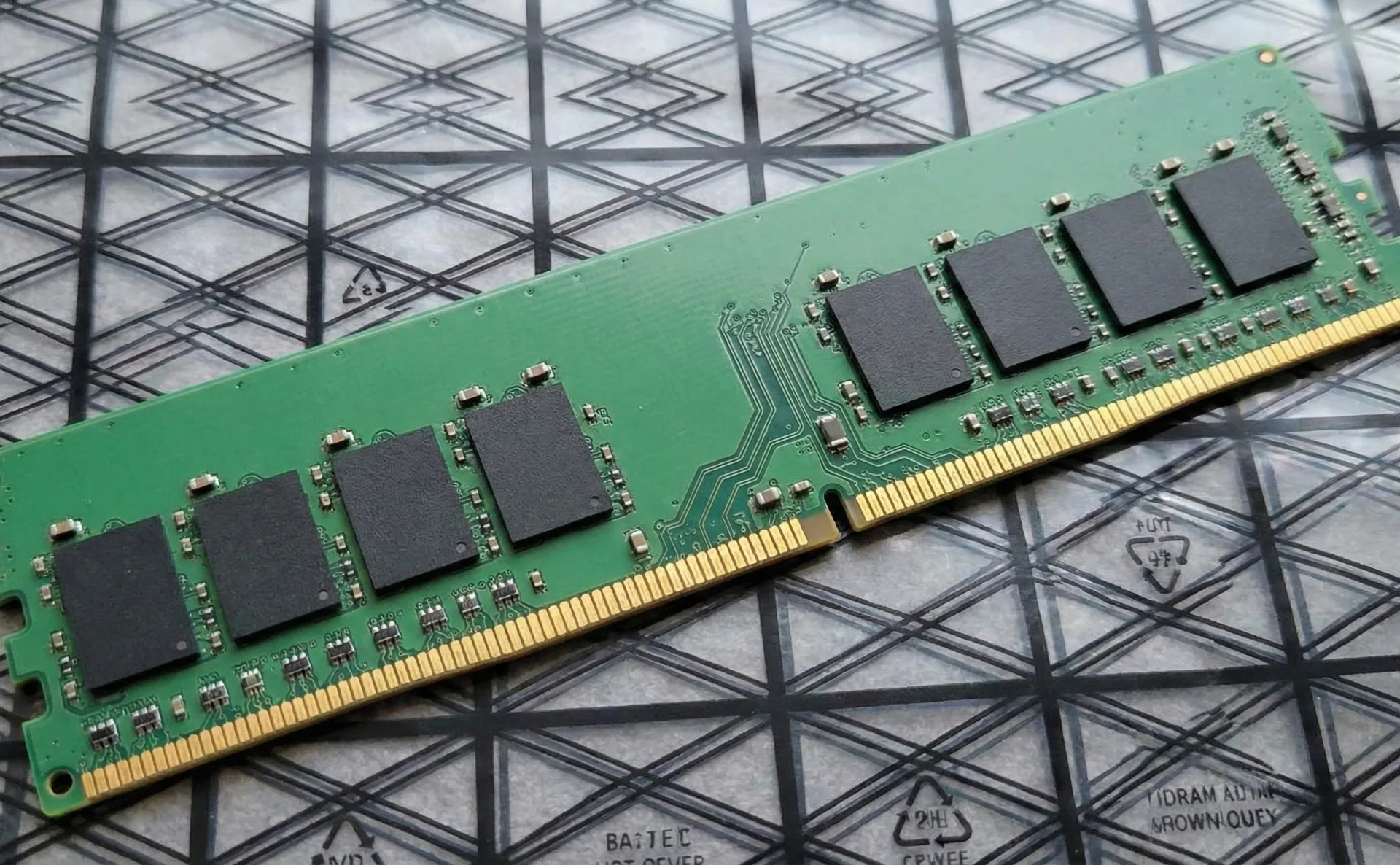
A quiet revolution, born of desperation and the relentless march of AI, is forcing major PC players to rethink their most fundamental supply chains. Reports indicate that industry giants like HP, Dell, Acer, and ASUS are now exploring, and in some cases qualifying, Dynamic Random-Access Memory (DRAM) chips from Chinese suppliers, most notably ChangXin Memory Technologies (CXMT). This isn't merely a quest for cheaper components; it's a strategic pivot driven by an industry-wide memory shortage and the insatiable demands of artificial intelligence. In our view, this marks a significant, albeit fraught, turning point for the global tech market.
The Memory Inferno: Why Your Next PC Will Cost More
The PC industry finds itself trapped in a vicious cycle. A severe global memory shortage is driving up costs at an alarming rate. Recent market analysis from TrendForce indicates that DRAM contract prices are now expected to surge by an astonishing 90-95% quarter-over-quarter for Q1 2026, a significant jump from earlier estimates. Some reports even suggest PC DRAM prices could more than double from their elevated positions in late 2025. Counterpoint Research further corroborates this, reporting memory prices have risen 80-90% quarter-over-quarter in Q1 2026, marking an unprecedented and record-breaking surge across DRAM, NAND, and HBM. Goldman Sachs is even more bearish, anticipating a conventional DRAM pricing increase of about 176% year-over-year in 2026, with average selling prices approaching historically strong levels. We've seen DDR5 spot prices quadruple since September 2025, and even DDR4 has experienced two-to-three-fold hikes in the last three months.
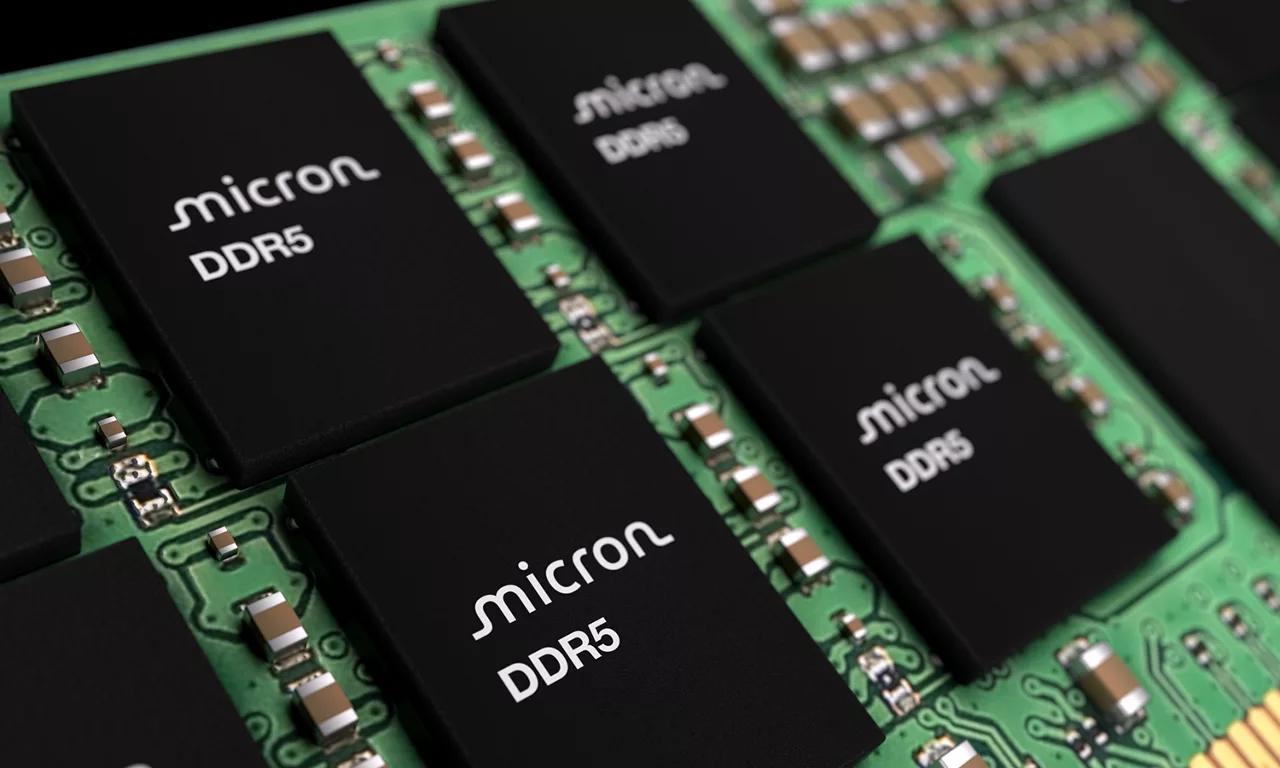
The primary culprit behind this crisis is the booming artificial intelligence sector. AI tech companies are effectively "cannibalizing" the production lines of traditional memory giants – Micron, Samsung, and SK Hynix – by allocating capacity to the highly lucrative High Bandwidth Memory (HBM) modules, which are essential for AI infrastructure. This intense focus on HBM means less capacity is available for the standard DRAM chips that power our everyday PCs, creating a bottleneck that reverberates across the tech industry. Exacerbating the issue, PC shipments in Q4 2025 exceeded expectations, further escalating the DRAM shortage and crisis. While GPU vendor Sapphire offers a glimmer of hope, forecasting price stabilization within the next six to eight months from February 2026, we remain cautious. Other analysts suggest this DRAM shortage could last through 2028 and potentially beyond, especially as capacity growth continues to prioritize HBM.
CXMT Steps Up: A Contender, But Not Yet a King
Into this void steps ChangXin Memory Technologies (CXMT), a Chinese memory maker that has rapidly advanced its capabilities. While still technologically behind the established leaders like Samsung, SK Hynix, and Micron – reportedly manufacturing on a 16 nm node compared to their 10 nm processes and a roughly three-year technology gap – CXMT has demonstrated impressive progress. Canadian integrated circuits research firm TechInsights even noted they did not expect to see CXMT's 16nm memory until late 2025 or early 2026, highlighting their faster-than-expected development.
At the 2025 China International Semiconductor Expo, CXMT unveiled its homegrown DDR5-8000 and LPDDR5X-10667 memory modules. The company offers 12 Gb and 16 Gb LPDDR5X capacities, with DDR5 scaling to 16 Gb and 24 Gb module formats. Their 16 Gb DDR5 chips measure 67 square millimeters, and their G4 DRAM cells are 20% smaller than the previous G3 generation. CXMT's DRAM modules adhere to official JEDEC specifications, and reportedly even exceed them. We note that while CXMT claims its new DDR5 modules reach peak speeds of 8,000 Mbps, outpacing the 7,200 Mbps performance of DDR5 chips currently sold by Samsung and SK Hynix on paper, analysts rightly caution that top-line specifications do not always reflect real-world competitiveness. Nevertheless, their 8533Mbps and 9600Mbps LPDDR5X products entered mass production in May 2025, with 10667Mbps variants already dispatched for customer trials.
OEMs Face the Music: Diversification, Not Just Discounts
The leading PC manufacturers are not simply looking for cheaper alternatives; their primary motivation, as we see it, is supply diversity and security. With DRAM contract prices skyrocketing and top-tier OEMs experiencing declining inventory levels, brands operating on thin margins cannot afford production delays or unpredictable component costs. Ensuring a stable supply of components is essential to meeting product launch deadlines, especially as existing stockpiles from major manufacturers like Dell and Asus begin to run out.
- HP has been proactive, reportedly qualifying CXMT parts as an extra supply option and already certifying DRAM modules from the Chinese maker. The company could source CXMT DRAM for non-US markets if supply remains tight and pricing elevated through mid-2026.
- Dell is also qualifying CXMT DRAM, investigating it as a means to decrease exposure to future price increases and potential supply cuts from traditional suppliers.
- Acer has indicated it is open to using Chinese memory if its China-based contract suppliers incorporate it into the supply chain. Acer's official statement reinforces this strategy: "We do not disclose our suppliers, but we keep in close contact with multiple global manufacturers and suppliers to dynamically adjust operations to manage component price changes. We work with multiple manufacturers and suppliers to enhance our supply chain resilience."
- ASUS has reportedly asked its China-based production partners to help source memory for some specific notebook projects.
It's important to remember that no finalized contracts are in place; these are still consideration and evaluation phases. HP, Dell, and Asus have largely refrained from commenting on these reports.
Geopolitical Chessboard: CXMT's Rise and the Shadows of Suspicion
The potential adoption of CXMT DRAM by these major OEMs carries significant implications beyond the immediate supply crunch. For CXMT, securing large-scale commitments from global PC brands would undoubtedly transform its market position, boosting its standing as a go-to DRAM supplier in China and significantly enhancing its upcoming IPO prospects. For end-users, the wider adoption of Chinese memory could translate into more stable product availability and potentially more controlled pricing for PCs, cushioning them from the volatility currently gripping the market. Consumers might soon see "unheard" RAM brands appearing inside their new machines, which we believe will be a necessary adjustment.
However, this strategic shift is fraught with complexities and considerable risks. The geopolitical climate casts a long shadow over such collaborations:
- The U.S. Department of Defense added CXMT to its "Section 1260H" list of companies suspected of aiding the Chinese military in January 2025. While this designation does not impose immediate bans, it significantly harms the company's reputation and serves as a clear warning to U.S. businesses about potential risks in dealing with them. Specific prohibitions on government purchasing or using CXMT products will take effect by December 23, 2027.
- There have been serious allegations that former Samsung employees stole 10nm DRAM technology and leaked it to CXMT, raising significant intellectual property concerns. South Korean prosecutors have arrested and indicted multiple former Samsung employees, including executives, for allegedly leaking advanced 10nm DRAM technology to CXMT. Authorities estimate this intellectual property theft has already contributed to a 5 trillion won (approximately US$3.56 billion) decline in Samsung Electronics' sales in 2024 alone, with potential future losses in the tens of trillions of won. These allegations include detailed handwritten notes covering over 600 manufacturing steps. This controversy casts a pall over CXMT's rapid advancement, suggesting their progress may have been significantly aided by illicit means, allowing them to bypass crucial learning curves.
- Businesses must also consider the ongoing specter of tariffs, despite a one-year tariff truce between the U.S. and China covering semiconductor and rare earth breakthroughs.
The Tech4Gamers article even notes that, in 2026, China's entry into the memory equation may not immediately offer cheaper memory, and could even prove more expensive than chips from South Korea and the United States initially. This reinforces our view that the primary drive here is clearly about securing supply amidst crippling shortages, not just cutting costs.
A Reshaped Future for PC Memory
The reported exploration of Chinese DRAM by HP, Dell, Acer, and ASUS represents a pragmatic, if challenging, response to a record-breaking market squeeze. It highlights the critical need for diversified supply chains in an era of heightened geopolitical tensions and surging demand from far-reaching technologies like AI. While fraught with potential challenges and political sensitivities, including the very serious allegations of intellectual property theft and military ties, this move could fundamentally redefine the global memory market. Ultimately, it seeks to offer greater resilience for PC makers and, ideally, more stable access to technology for consumers worldwide, albeit with some potentially unfamiliar branding in their next machines.




Comments