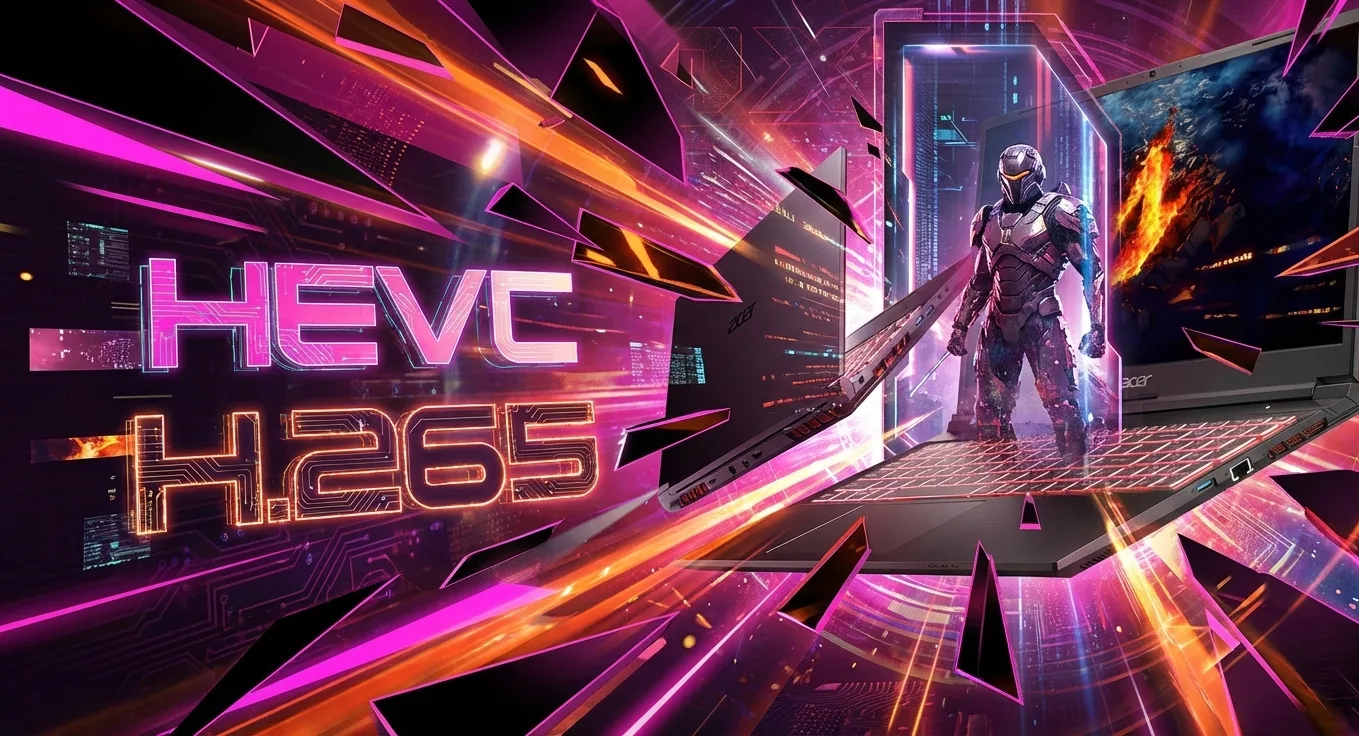
German consumers seeking new laptops and desktop PCs from major manufacturers Acer and ASUS will find their options severely limited, as both companies have been forced to halt direct sales of many models in the country. A ruling by the Munich I Regional Court on January 22, 2026, found the tech giants infringing on Nokia's standard-essential patents related to H.265/HEVC (High-Efficiency Video Coding) technology, effectively issuing an injunction against their sales. This move by Nokia highlights the escalating tensions in the world of standard-essential patent (SEP) licensing and leaves consumers caught in the crossfire.
The ban, effective immediately for the manufacturers, means the official online shops for Acer and ASUS in Germany are either under maintenance or show significantly reduced product availability for PCs and notebooks. While third-party retailers like Amazon and MediaMarkt may still have existing inventory, the flow of new stock from Acer and ASUS channels is expected to be severely disrupted.
The HEVC and FRAND Licensing Dispute
This dispute centers on H.265, also known as HEVC, a video compression standard crucial for efficient video streaming and high-definition content. Nokia asserts that Acer and ASUS have been utilizing its standard-essential patents, specifically EP 2 375 749 and EP2661892, without proper licensing under FRAND (fair, reasonable, and non-discriminatory) terms. The Munich I Regional Court, known internationally for its strict interpretation of FRAND obligations, sided with Nokia, concluding that Acer and ASUS were not acting as "willing licensees" in negotiations. This isn't a minor technicality; HEVC support is deeply embedded in modern PC components, including integrated and dedicated GPUs, meaning a vast array of current models are affected.
For consumers, the immediate concern is whether their new PC can efficiently play the latest 4K videos or stream content without relying on less efficient, more power-hungry software decoding. When a core technology like HEVC is deemed standard-essential, it means virtually every device that handles modern video needs it. Refusing to license under FRAND terms, as the court found, essentially means reaping the benefits of a widely adopted standard without contributing to the underlying innovation.
Immediate Impact on the German Market
The most immediate change for the German market is the restricted availability of popular PC brands. Acer has confirmed a temporary suspension of sales activities for affected products and is reportedly exploring further legal action, including a potential counterclaim against Nokia regarding unspecified wireless communication technology. ASUS, for its part, continues the patent dispute and is expected to appeal the judgment, though its German product pages for many systems are already inaccessible, indicating a factual stop to direct sales.
We believe this disruption will inevitably lead to a narrowing of choice for consumers and could, in the medium term, impact pricing if alternative brands see increased demand. While existing owners of Acer and ASUS devices are not affected and can continue using their products, the inability to purchase new hardware directly from these brands puts them at a distinct disadvantage. It also raises questions about future support and updates for these systems, though no official statements have been made regarding those aspects.
Hisense, another company entangled in Nokia's broader patent campaign, chose a different path, taking a license in early January 2026. This move resolved its dispute and reduced its exposure, highlighting that a negotiated license remains the most direct route for Acer and ASUS to restore normal sales activities.
Nokia's Assertive Patent Strategy
This isn't Nokia's first rodeo. The company has a well-documented history of successfully pursuing patent litigation to monetize its extensive patent portfolio. Recent years have seen similar sales prohibitions against OnePlus in Germany (2022), and successful actions against Amazon (Fire TV Sticks in September 2024, Prime Video in February 2025, with a global settlement in March 2025) and Daimler (2019). This pattern reflects a clear, aggressive strategy to ensure fair compensation for its innovations, particularly those deemed standard-essential.
From our perspective, Nokia's consistent victories emphasize the power held by intellectual property holders in the tech industry. It also serves as a clear reminder to manufacturers that neglecting licensing agreements for fundamental technologies carries serious commercial consequences, especially in jurisdictions like Germany with strong patent enforcement.
Key Changes at a Glance
Why This Matters for the Tech Industry
The German sales ban on Acer and ASUS PCs and laptops represents a significant event, extending beyond a localized market blip to hold broader implications for the global tech industry and, critically, for consumers. It reinforces the authority of patent holders like Nokia to enforce their intellectual property, particularly when it comes to standard-essential patents that form the backbone of modern technology.
For hardware manufacturers, this serves as a potent warning. The cost of neglecting licensing negotiations, or being deemed an "unwilling licensee" by a court, can far outweigh the royalty payments. We anticipate other manufacturers will be scrutinizing their own licensing agreements more closely in the wake of this ruling, especially for widely used codecs like HEVC.
For consumers in Germany, the short-term impact is frustrating: fewer options and potential price hikes for remaining stock. The long-term implications could see a shift in market dynamics as brands either comply with licensing demands or risk being shut out of key markets. This incident also highlights a systemic issue where patent disputes, often hidden from public view, can suddenly erupt to impact everyday purchases. We argue that greater transparency in these licensing negotiations, or perhaps even industry-wide licensing mechanisms, might be necessary to prevent such disruptive sales bans from becoming a more common occurrence. The ball is now firmly in Acer and ASUS's court to negotiate a resolution that satisfies Nokia and, more importantly, restores full availability for German customers.



Comments