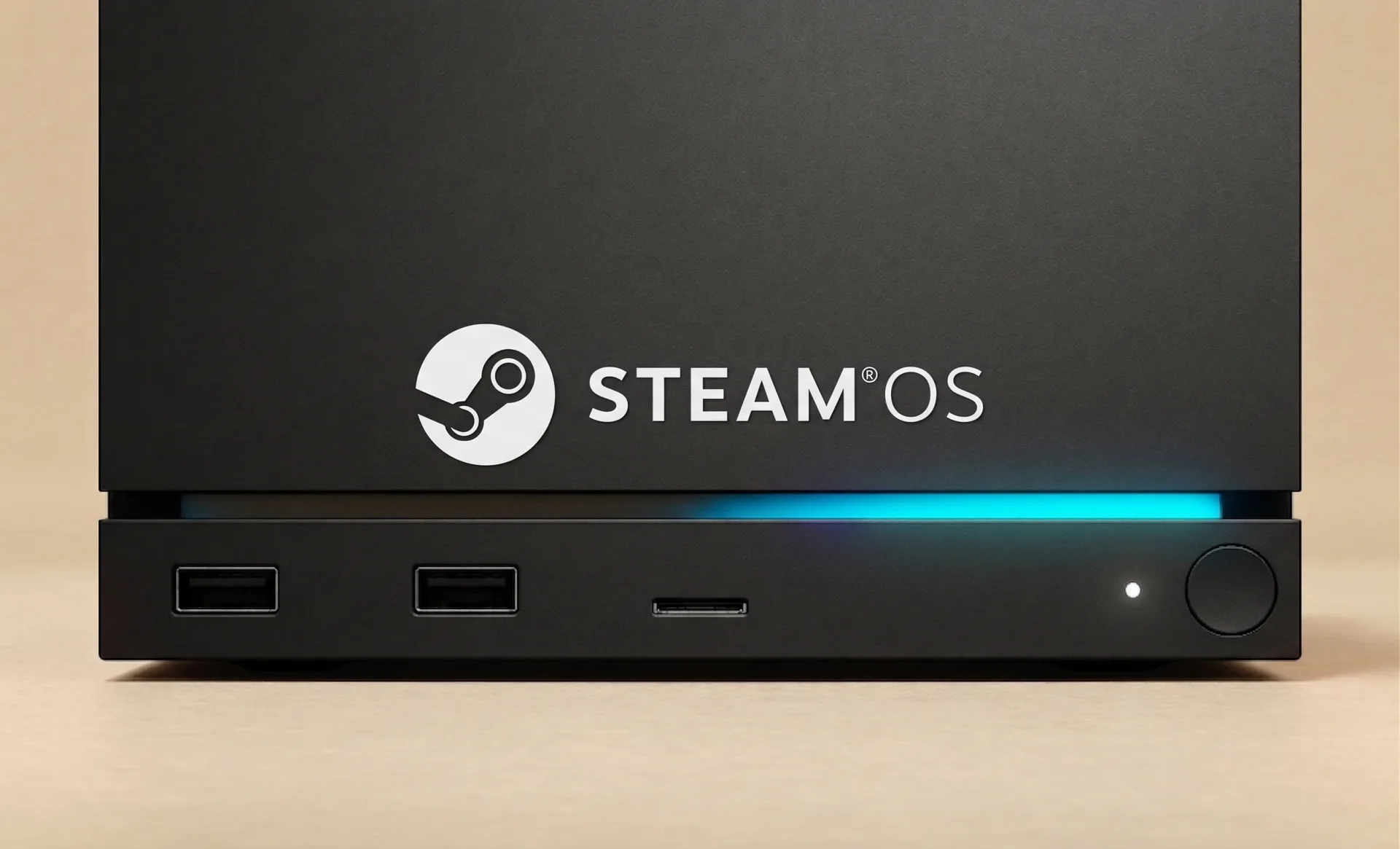
The SteamOS 3.8.0 Preview update, codenamed "Second Clutch," has arrived with a line item that feels like a ghost from the past: initial support for the Steam Machine. For those who remember the original 2015 push into the living room, the name carries a heavy weight of failed promises. But in 2026, the context has changed. Valve has moved past throwing Linux-based PCs at walls to see what sticks; the company is now building a unified ecosystem where the hardware finally matches the ambition.
This update offers more than a nod to new hardware. It signals a major technical shift for SteamOS, improving everything from input latency to third-party handheld compatibility. Meanwhile, the shadow of global supply chains looms large over these developments.
The Rebirth of the "Companion Cube"
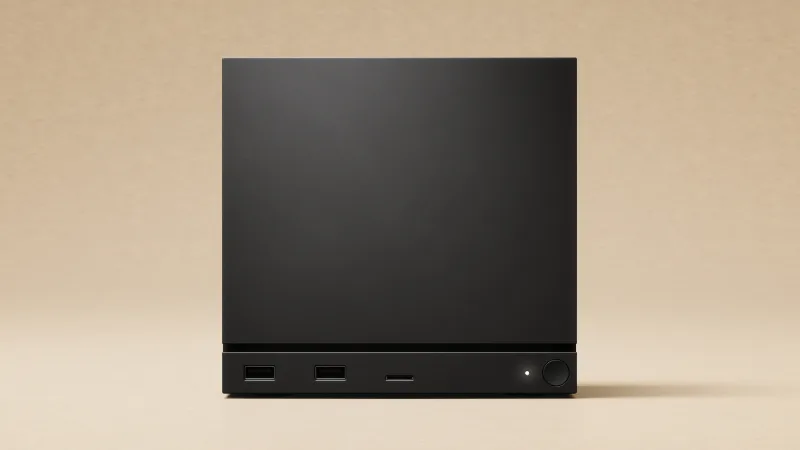
The new Steam Machine, described by Valve as a "companion cube" console-style PC, is a calculated risk. While the Steam Deck proved Valve could handle handhelds, the living room is a different beast. Based on the 3.8.0 patch notes and internal targets, the profile of this machine is taking shape:
We find the choice of an 8GB GPU to be the most contentious point. While Valve is introducing "discrete GPU video memory management improvements" in this update to address performance gaps between SteamOS and Windows, 8GB of VRAM feels thin for a machine launching in 2026. We have seen 8GB cards struggle with high-resolution textures on Linux in our testing. Valve’s focus on software optimization might bridge the gap, but they are cutting it close.
The AI Tax and Delayed Ambitions
The elephant in the room is the global memory and storage chip shortage. As AI data centers vacuum up every available stick of RAM, Valve is feeling the squeeze. We’ve seen the Steam Deck LCD and OLED models flickering in and out of stock recently, and the Steam Machine is already suffering from this reality.
Valve officially targets a release in the first half of 2026, yet the 3.8.0 update arrives amidst whispers of a delay to the end of the year. The fact that BIOS updates for the Deck (v133 for LCD, v114 for OLED) remain the primary focus suggests that the Steam Machine hardware is still in the refinement phase. If Valve cannot secure enough 32GB RAM modules at a reasonable price, the Steam Machine could arrive as a premium boutique product rather than the mass-market console killer many hoped for.
SteamOS: No Longer Just for the Deck
The expansion of support for third-party devices is a more critical shift in the 3.8.0 update than Valve’s own hardware. We are seeing a "Windows-lite" future where SteamOS becomes the default choice for the entire handheld industry.
The "Second Clutch" update brings specific fixes and support for:
- ASUS: ROG Ally and Ally X
- Lenovo: Legion Go series (with a Legion Go 2 variant reportedly shipping with SteamOS this June)
- MSI: Claw
- Alternative Handhelds: GPD Win 5/Mini, OrangePi NEO, and Anbernic Win600
By upgrading to Linux kernel 6.16 and KDE Plasma 6.4.3, Valve is modernizing the foundation. The switch to Wayland by default in Desktop Mode is a gutsy move that fixes multi-monitor scaling—a long-standing headache for anyone using a docked Deck—but it might break older legacy apps that rely on X11.
Perhaps the most impressive technical feat is the reduction in controller input latency. Moving from 5-8ms down to 100-500us is a major win for competitive players. We believe this focus on feel and responsiveness separates Valve from the brute-force approach of Windows-based handhelds.
The Hibernation Headache
For current Steam Deck owners, the main draw is the preliminary support for hibernation on the LCD model. Currently, the Deck’s Sleep mode is a battery-drain gamble. If you leave it for three days, you often return to a dead device. Hibernation, which saves the system state to the SSD, should theoretically allow you to leave a game paused for weeks.
However, in its current Preview state, this feature is temperamental. It doesn’t even appear in the standard power menu yet, requiring a trip into the developer settings. We find it frustrating that the OLED model—the supposed flagship—is being left behind for now, though Valve’s focus on the LCD model’s "Memory Power Down" modes suggests they are trying to extend the life of older hardware first.
TTEK2 Verdict
Our Take: The SteamOS 3.8.0 update proves that Valve is preparing for a future beyond the handheld. By laying the groundwork for the Steam Machine and opening the gates to third-party manufacturers like Lenovo, they are building a viable alternative to the Windows monopoly on PC gaming.
However, we are skeptical about the Steam Machine's hardware balance. A 32GB RAM target paired with an 8GB GPU feels like a machine built to handle spreadsheets and low-res textures simultaneously, rather than a 4K powerhouse. If you are a Steam Deck owner, stay on the Stable channel for now; the Preview bug that resets your update channel is a nuisance, and hibernation isn't ready for prime time.
Practical Takeaways:
- For Steam Deck LCD owners: Wait for the 3.8.0 Stable release for the hibernation and Bluetooth wake fixes; it will improve the docked experience.
- For prospective buyers: Expect Steam Machine pricing to be higher than anticipated due to the RAM shortage.
- For the tech-curious: The move to Wayland and Kernel 6.16 makes SteamOS a much more viable daily-driver desktop OS for those who use their Deck as a PC.






Comments