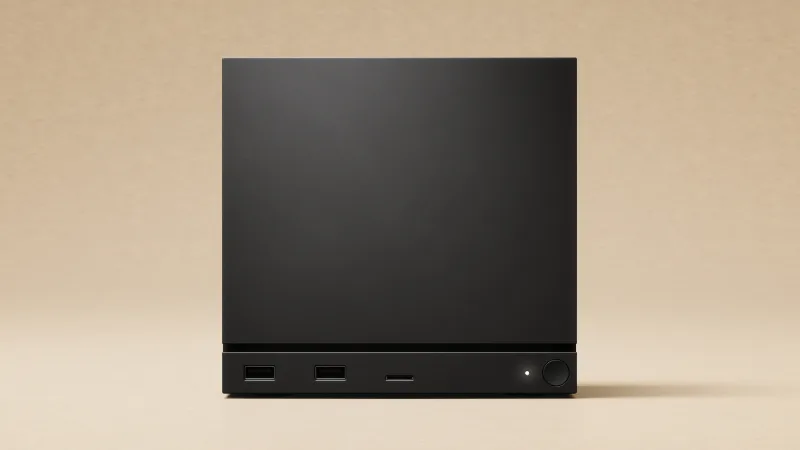
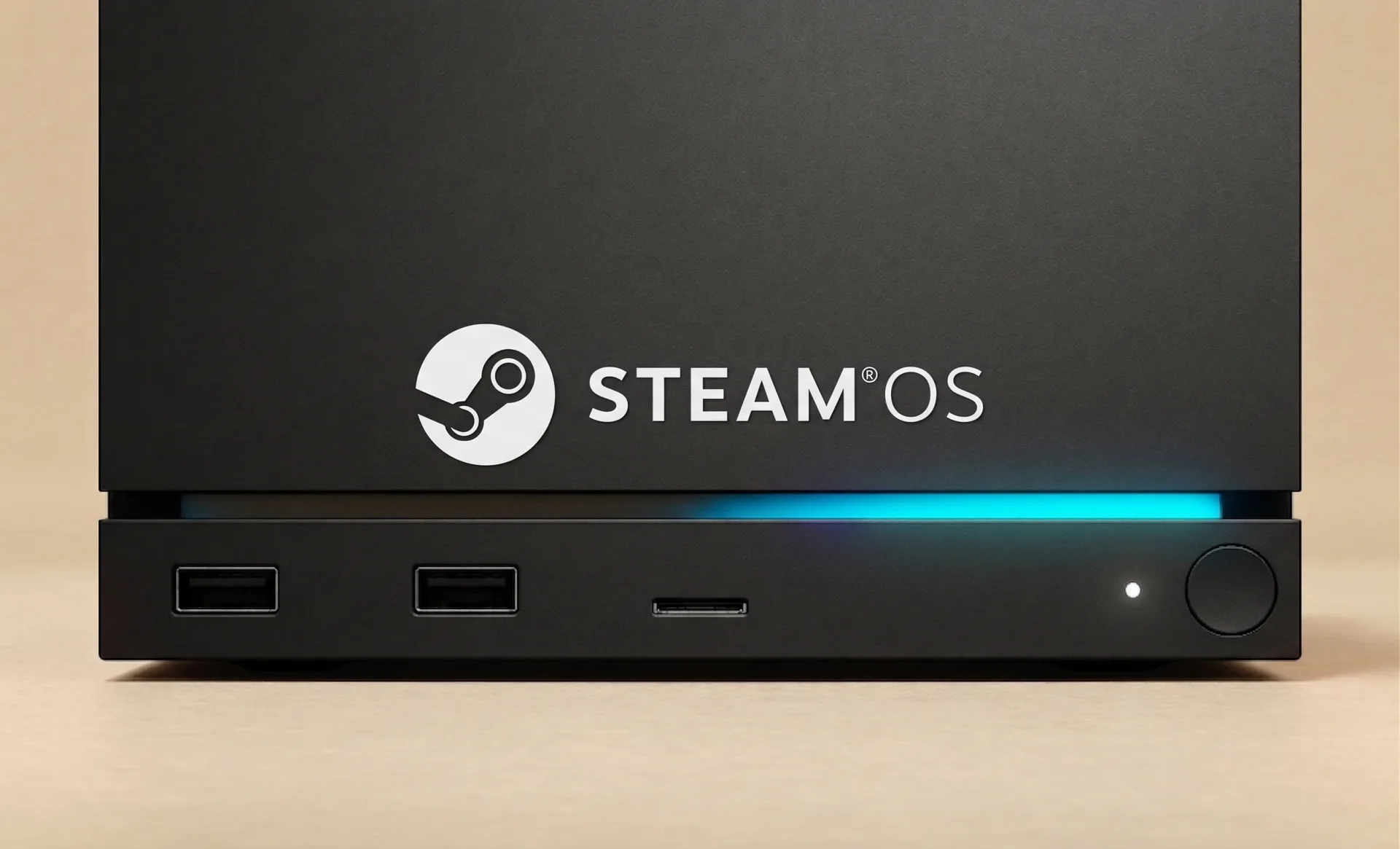
Valve's long-awaited Steam Machine is finally gearing up for launch, with AMD CEO Dr. Lisa Su confirming an "early this year" shipping window during AMD's Q4 2025 earnings call on February 3, 2026. This statement, while reaffirming Valve's previously stated early 2026 launch, leaves us wondering if "on track" is a confident stride or simply corporate phrasing for a product that has been in the rumor mill for what feels like ages. For a platform positioned to tackle the established console giants, we think Valve needs to hit the ground running, and "early this year" needs to translate into immediate availability.
AMD's Bet and the Shifting Console Sands
AMD stands as the backbone of the Steam Machine, supplying crucial custom-designed silicon, including a semi-custom AMD Zen 4 CPU and a semi-custom AMD RDNA 3 GPU. This partnership is vital for Valve's aspirations.
However, Dr. Su's update comes with a broader forecast for AMD's semi-custom SoC division that gives us pause. The company anticipates a significant double-digit percentage decline in semi-custom SoC annual revenue for 2026. This downturn is attributed to the current console cycle entering its seventh year. While this explanation makes sense for the PlayStation 5 and Xbox Series X, it raises questions about the Steam Machine's immediate impact. Is the new device expected to make a substantial enough splash to counteract this trend, or is its expected market share simply not large enough to move AMD's overall console chip revenue needle in its launch year? We think AMD's long-term console strategy appears robust, however, as Dr. Su also confirmed the development of Microsoft's next-gen Xbox is progressing well for a planned 2027 launch, again featuring an AMD semi-custom SoC. This follows a multi-year partnership solidified in June 2025, hinting at AMD's continued dominance in the console silicon space.
Steam Machine: Chasing 4K Dreams, or Reality?
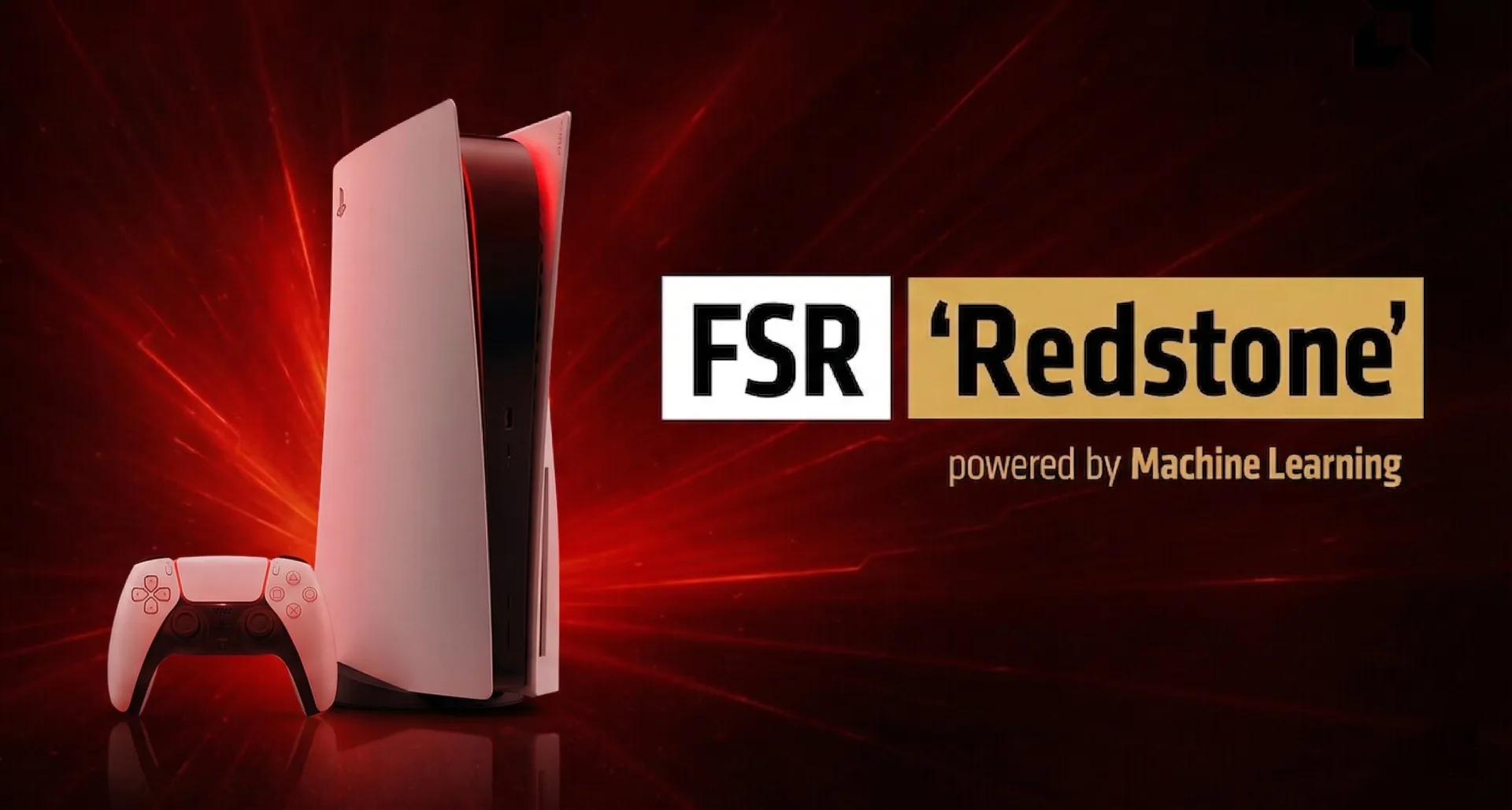
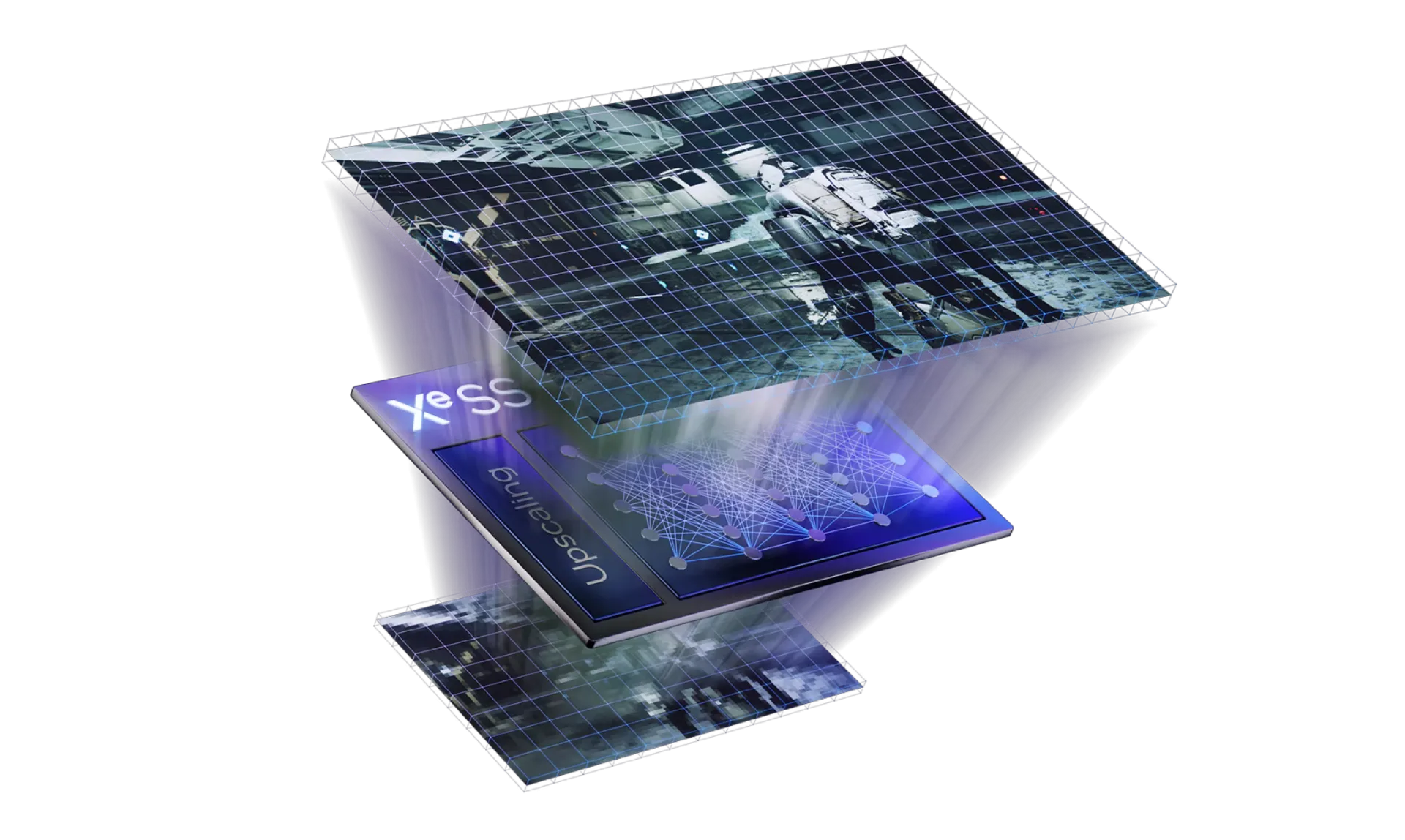
Valve is positioning the Steam Machine as a direct competitor to existing platforms like the PlayStation 5 and Xbox Series X, aiming to deliver powerful, versatile PC gaming on the big screen. The lofty goal? 4K 60FPS gaming using FSR upscaling. This is where our critical lens comes into play. Delivering true 4K 60FPS, even with upscaling, requires serious horsepower, and we need to examine if the proposed specifications can truly deliver on that promise against what we'll see in late 2026 and beyond.
Here's a breakdown of the key specs and our analysis:
The Steam Machine is expected to launch globally across the US, Canada, UK, EU, Australia, Japan, South Korea, Hong Kong, and Taiwan, which is excellent news for international availability.
The Elephant in the Room: Pricing and Market Position
While the shipping timeline is confirmed, official pricing remains elusive. Valve has stated that the device's price will not be subsidized, will be "closer to PC pricing," and will explicitly cost "more than $600." This is a critical point that, in our view, dictates the Steam Machine's place in the market.
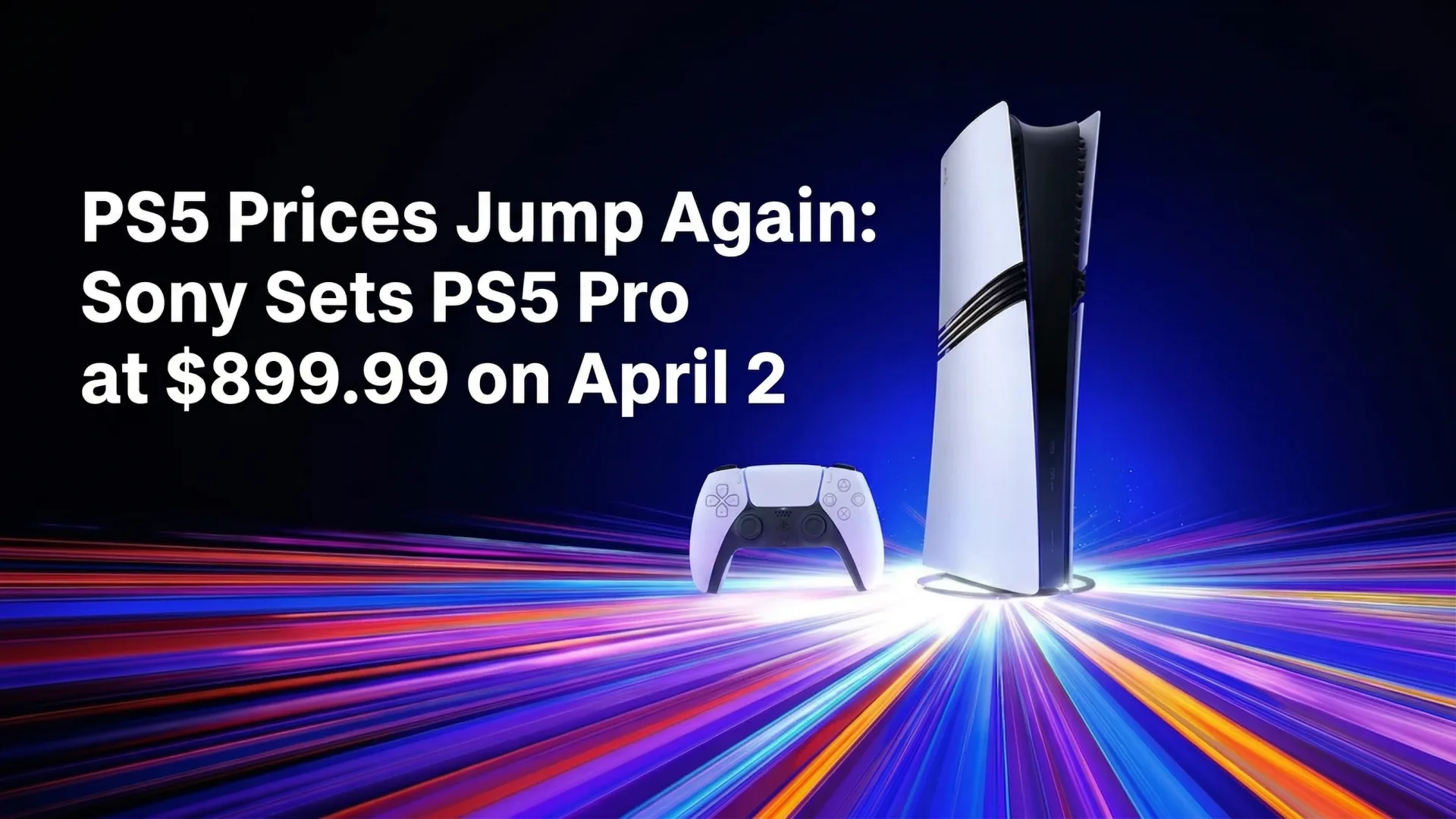
Traditional consoles like the PlayStation 5 and Xbox Series X are often sold at a loss or minimal profit margin on hardware, with companies recouping costs through software sales and services. Valve's "PC pricing" approach means the hardware itself needs to be profitable. At "more than $600," the Steam Machine would likely be priced significantly above the launch prices of its console competitors, which traditionally sit around the $499-$599 mark.
This pricing strategy forces the Steam Machine into a precarious position. It's too expensive to be a mainstream console alternative, and while it offers a streamlined PC experience, the hardware, particularly the 8GB of VRAM and the power-constrained CPU/GPU, might not satisfy enthusiasts looking for a "PC-priced" machine capable of uncompromised 4K performance. The ongoing global supply situation for RAM and storage components, cited as a potential influence on pricing, offers a convenient explanation for a higher price tag, but it won't alleviate sticker shock for consumers expecting a console-like entry point. We think Valve is taking a considerable gamble by not subsidizing the hardware, potentially alienating a significant portion of the market looking for a more affordable entry into big-screen gaming.




Comments