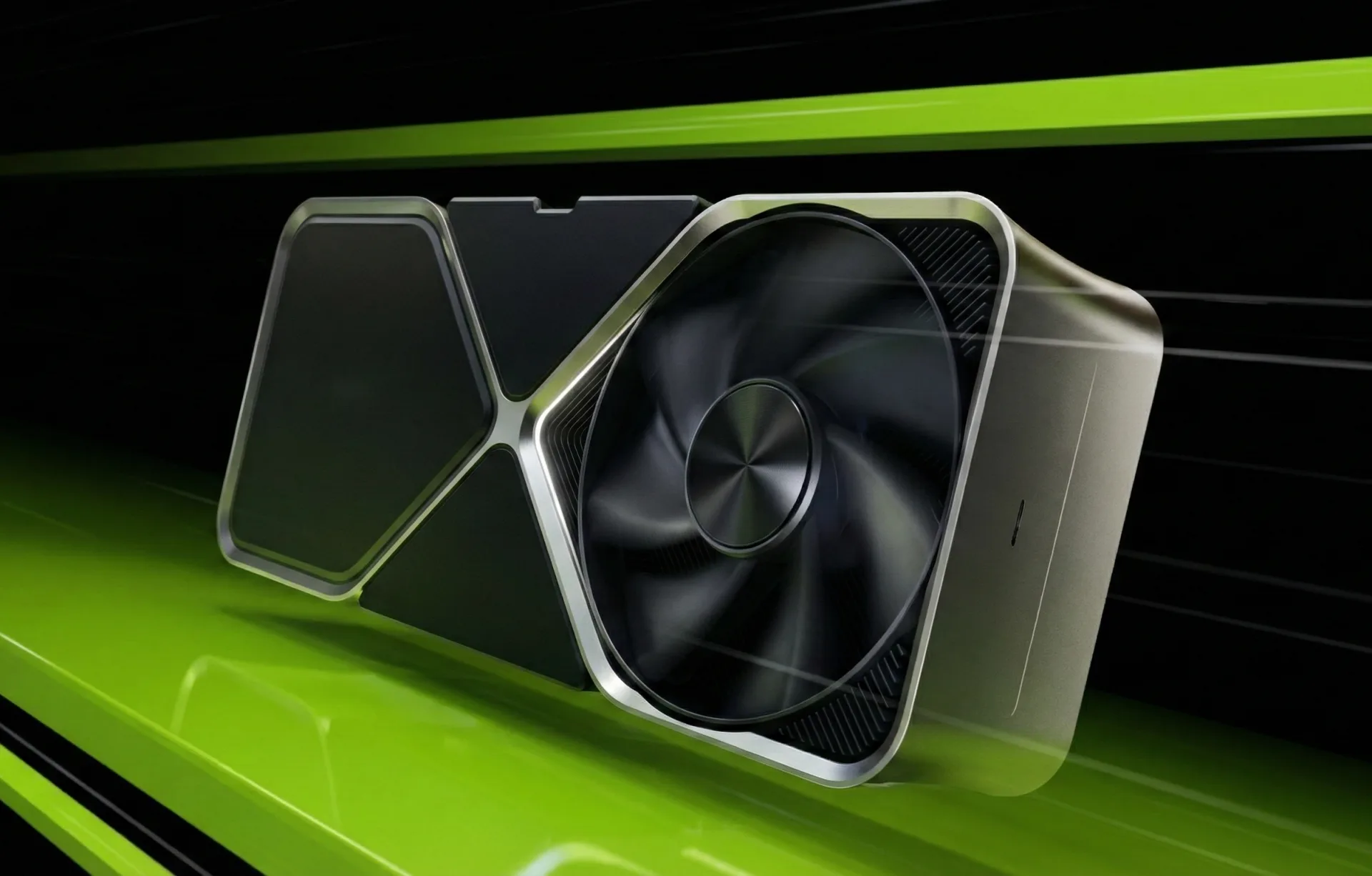
Is NVIDIA's Next Flagship GPU an AI Titan, Not a Gaming Beast?
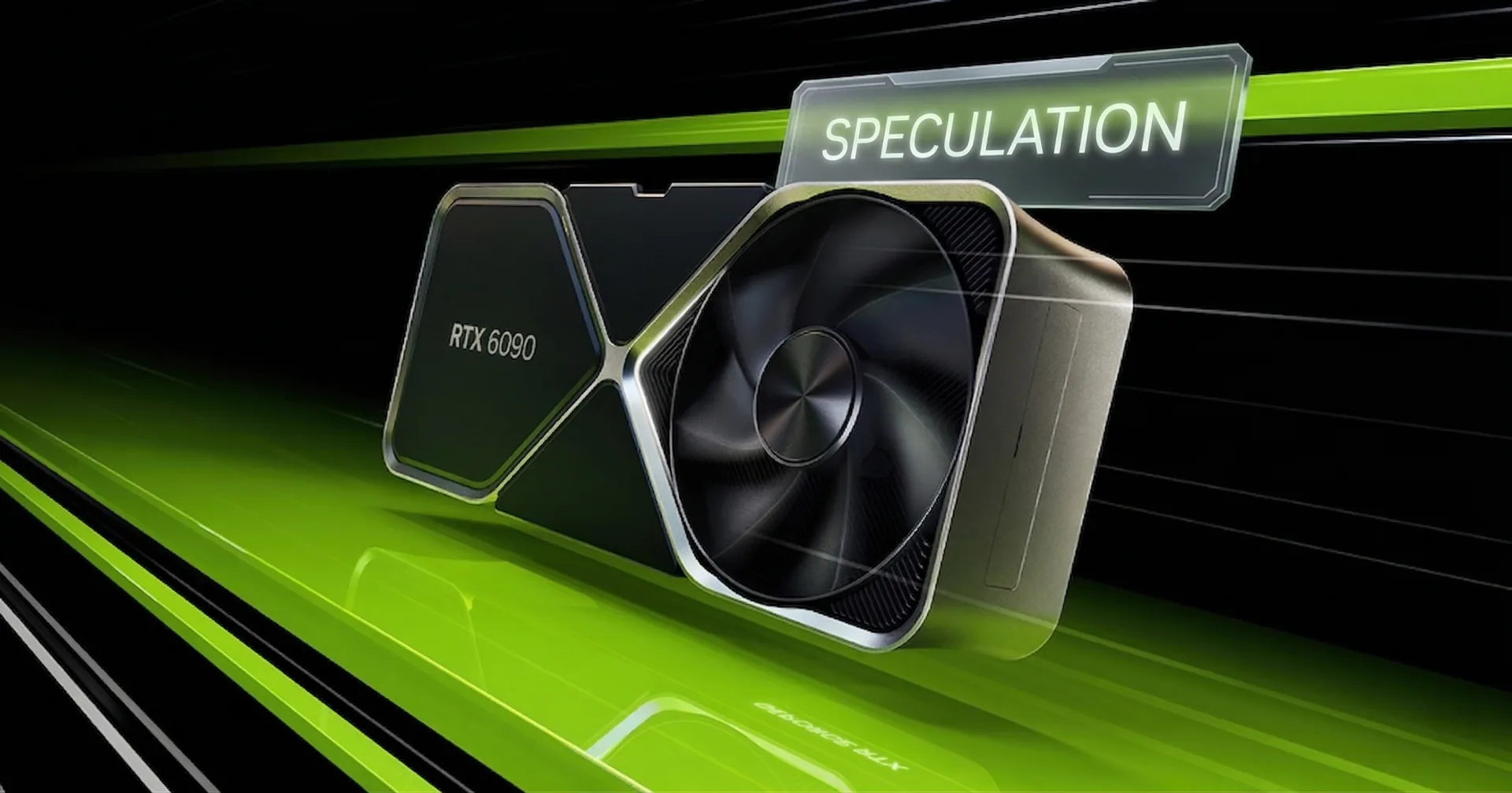
Whispers from the depths of the tech world, amplified by insights from CES 2026 and discussions with Asian industry insiders, suggest NVIDIA is charting a surprising course for its next bleeding-edge GPU. Reports from outlets like Overclocking.com point to an ultra-powerful GeForce RTX 50-series flagship—a potential RTX 5090 Ti or even an RTX 50 TITAN Blackwell. This isn't just a new card; it appears to be a significant strategic realignment, one that seemingly prioritizes the lucrative professional AI and workstation markets over the traditional consumer gaming segment, at least for its most advanced silicon.
In our view, this isn't merely an expansion of their product line; it's a telling signal about where NVIDIA sees its most profitable future. The question for gamers is: will we be left behind in the pursuit of AI dominance?
The Blackwell Behemoth: Unpacking the Rumored Specs
This rumored new model, distinct from any 'SUPER' refresh (which NVIDIA has reportedly delayed for 2026), is shaping up to be an absolute goliath. Codenamed GB202 and built on TSMC's 5nm node with the Blackwell architecture, the leaked specifications paint a picture of raw, unmatched power.
Let's break down how it stacks up against its predecessor, the formidable RTX 4090:
The rumored specifications are truly staggering. With 24,576 shaders, this potential Blackwell flagship boasts a massive increase over the RTX 4090's 16,384 CUDA Cores. The jump in Tensor and RT Cores also signifies a substantial leap in AI and ray tracing capabilities. The anticipated 32 GB or 48 GB of GDDR7 memory on a 512-bit bus, running at 28 Gbps, far outstrips the 4090's 24 GB GDDR6X at 21 Gbps. This significant memory bandwidth and capacity, coupled with a 128MB L2 cache, hints at a card designed to devour data-intensive tasks.
While NVIDIA reportedly aims for a 20% gaming performance uplift over the anticipated GeForce RTX 5090, its true purpose extends far beyond frame rates. This card is reportedly intended as a technological showcase, primarily boosting performance in AI tasks and content creation. We believe this unequivocally signals NVIDIA's intent to dominate the professional or enthusiast audience with deep pockets, even if it happens to be the most powerful consumer gaming card by proxy.
A Strategic Pivot: Reading Between the Lines
The emergence of such an extreme-performance card, coupled with other recent developments, strongly suggests a calculated shift in NVIDIA's overarching strategy. One of the most telling signs is the reported delay of the GeForce RTX 50 SUPER series, which would have included models like the RTX 5070 SUPER and RTX 5080 SUPER, at least through 2026. This, alongside the reported delay of the future Rubin architecture (RTX 60 series), creates a void that this new flagship could easily fill.
The primary catalyst behind this strategic pivot appears to be the escalating cost of DRAM, which directly impacts GDDR graphics memory. Producing VRAM-heavy cards at competitive prices for the mass market is becoming increasingly challenging. According to industry analysis, memory prices soared by 50% in Q4 2025, with further increases of 40-50% expected in Q1 2026 and around 20% in Q2 2026. Some analysts even project that memory shortages could last into 2027 or 2028. This "Hyper-Bull" phase, driven by insatiable demand for AI and server capacity, means suppliers are prioritizing high-margin memory solutions for AI data centers over consumer electronics.
Instead of engaging in a potential price war in the mid-range consumer segment – which will reportedly rely on more modest VRAM models like the RTX 5060, RTX 5060 Ti, and RTX 5070 Ti throughout 2026 – NVIDIA appears to be doubling down on its strengths. We can't help but see this as NVIDIA strategically side-stepping a difficult consumer market in favor of more immediate, higher-margin opportunities.
NVIDIA's real revenue growth is widely expected to come from professional clients and the booming artificial intelligence sector. By focusing on a single, ultra-high-end product as a technological showcase, NVIDIA can serve a lucrative niche, bridge the gap until memory prices stabilize, and continue to solidify its dominance in AI. This strategic realignment is further evidenced by Intel's reported shift of its largest 'Battlemage' GPU focus from gaming to Arc Pro workstation solutions, citing DRAM shortages and financial concerns. Even AMD has confirmed a retreat from the enthusiast GPU segment to focus on gaining market share in the performance segment and below, also citing low volumes and high engineering/wafer costs for high-end GPUs. The industry is clearly speaking with one voice: AI is where the money is.
The Cost of Raw Power: A Professional's Tool, Not a Gamer's Toy
While the allure of an RTX 5090 Ti (or TITAN) is undeniable for enthusiasts, the reality of its market presence will likely be severely constrained. The card is expected to come with an exorbitant price tag, potentially starting above 3,000 Euros and even exceeding 3,500 Euros in some EU countries. This financial barrier alone places it far beyond the reach of most gamers.
Furthermore, its sheer power demands equally serious infrastructure: very powerful power supplies and advanced cooling systems will be mandatory. Even if one could afford it, availability is expected to be severely limited, particularly in retail channels in regions like Europe. A significant portion of the stock is anticipated to be allocated directly to integrators and companies assembling high-end workstations, where its AI and content creation capabilities are truly put to use.
For the average home gamer, the added value compared to an anticipated RTX 5090, given the price and estimated 20% performance increase, is debatable. The high energy cost of around 600 watts is another factor to consider. This isn't a card built for the masses; it's a specialized tool that happens to also be exceptional at gaming. We argue that for the vast majority of consumers, the diminishing returns on performance for the exponentially increasing cost make this card a non-starter.
Doubts and Discrepancies: A Healthy Dose of Skepticism
It's crucial to remember that these details remain unconfirmed rumors, and we approach them with a healthy dose of skepticism. While Overclocking.com cites information gathered during CES 2026, and VideoCardz has picked up similar reports, other reputable sources offer dissenting views. TechRadar, for instance, has expressed strong doubts about an RTX 5090 Ti aimed at gamers ever seeing the light of day.
Their skepticism stems primarily from the ongoing scarcity and high price of video RAM. Critics argue that NVIDIA could more profitably deploy its limited, expensive GDDR7 supply for its even more lucrative dedicated AI GPUs, which can command prices around $8,500 and offer up to 96 GB of GDDR7 memory in their professional lines. The anticipated RTX 5090 itself is expected to be expensive and supply-limited, making a 'Ti' version seem an even bigger gamble under current market conditions. The estimated 10% performance gain from a fully enabled GB202 core loadout may simply not justify the astronomical cost for gaming.
Even if NVIDIA is exploring a top-end RTX 5000 board, there's no guarantee it will come to fruition. The market dynamics, especially the "memory crisis", could easily push such a project back or pivot it entirely towards professional-grade AI accelerators rather than a "gaming" card. We've seen NVIDIA make calculated decisions to prioritize profit over enthusiast desires before, and the current market conditions only amplify that likelihood.
Conclusion: The AI Era's Impact on PC Gaming's Pinnacle
The rumored development of an extra-powerful RTX 50-series flagship, coupled with the reported delay of the RTX 50 SUPER series and Rubin architecture, paints a clear picture: NVIDIA is strategically re-evaluating its approach to the consumer graphics card market. The narrative seems to be shifting from a broad consumer push to a more focused, high-margin strategy driven by the insatiable demand for AI processing power.
This potential RTX 5090 Ti or TITAN, if it launches in Q3 2026, would symbolize NVIDIA's commitment to technological leadership and its increasing entanglement with the AI industry. For gamers, it suggests a future where the absolute pinnacle of GPU performance becomes increasingly inaccessible and expensive, designed more as a professional instrument than a dedicated gaming machine. NVIDIA's relative silence regarding new consumer gaming products this year, apart from DLSS 4.5, further reinforces this notion.
While the dream of the ultimate gaming card remains for some, the reality is that the future of high-end GPUs, driven by AI and professional applications, might see gaming as an incredible, but secondary, benefit. The consumer market, particularly the mid-range, might see a slower pace of innovation and fewer options until memory prices stabilize, while the bleeding edge accelerates into the realm of specialized AI computation. We believe this trend, if it continues, could fundamentally reshape the PC gaming landscape, pushing top-tier performance into a niche only accessible to the deepest pockets or professional users.




Comments