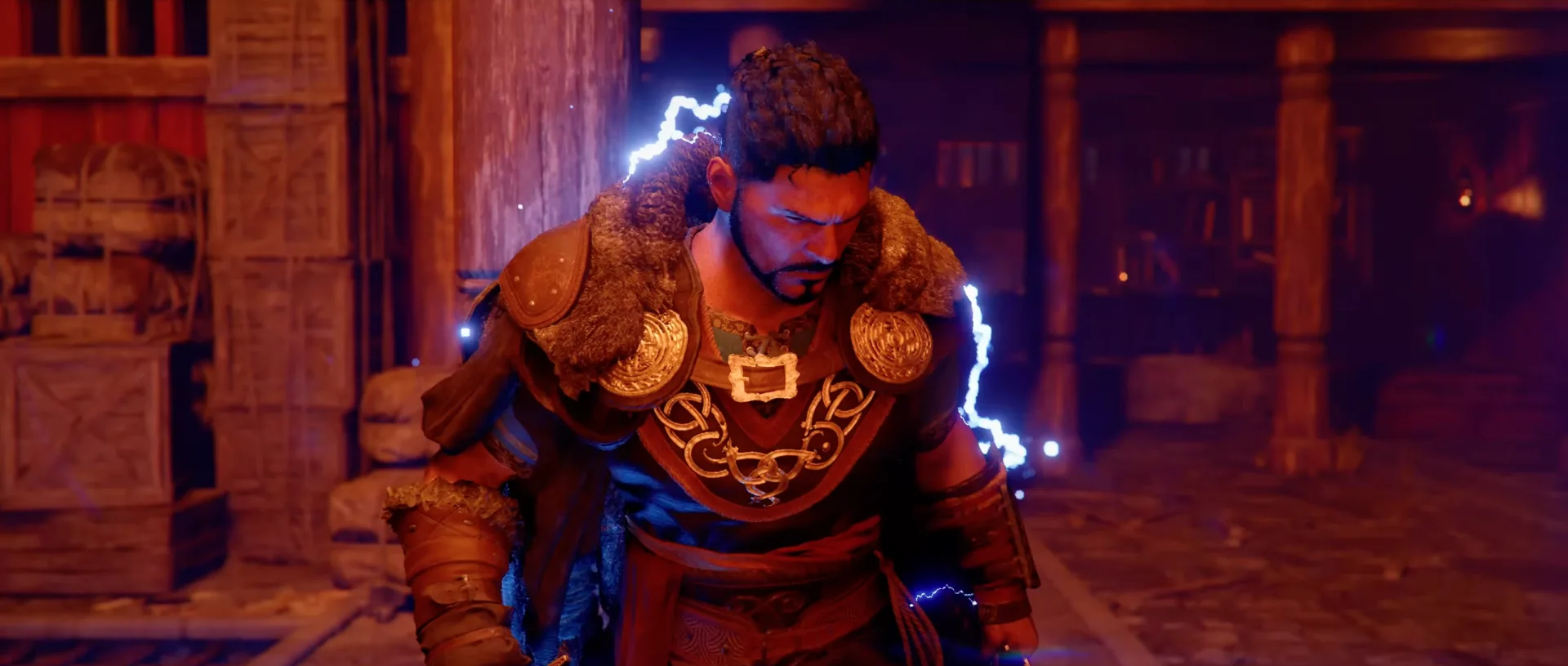
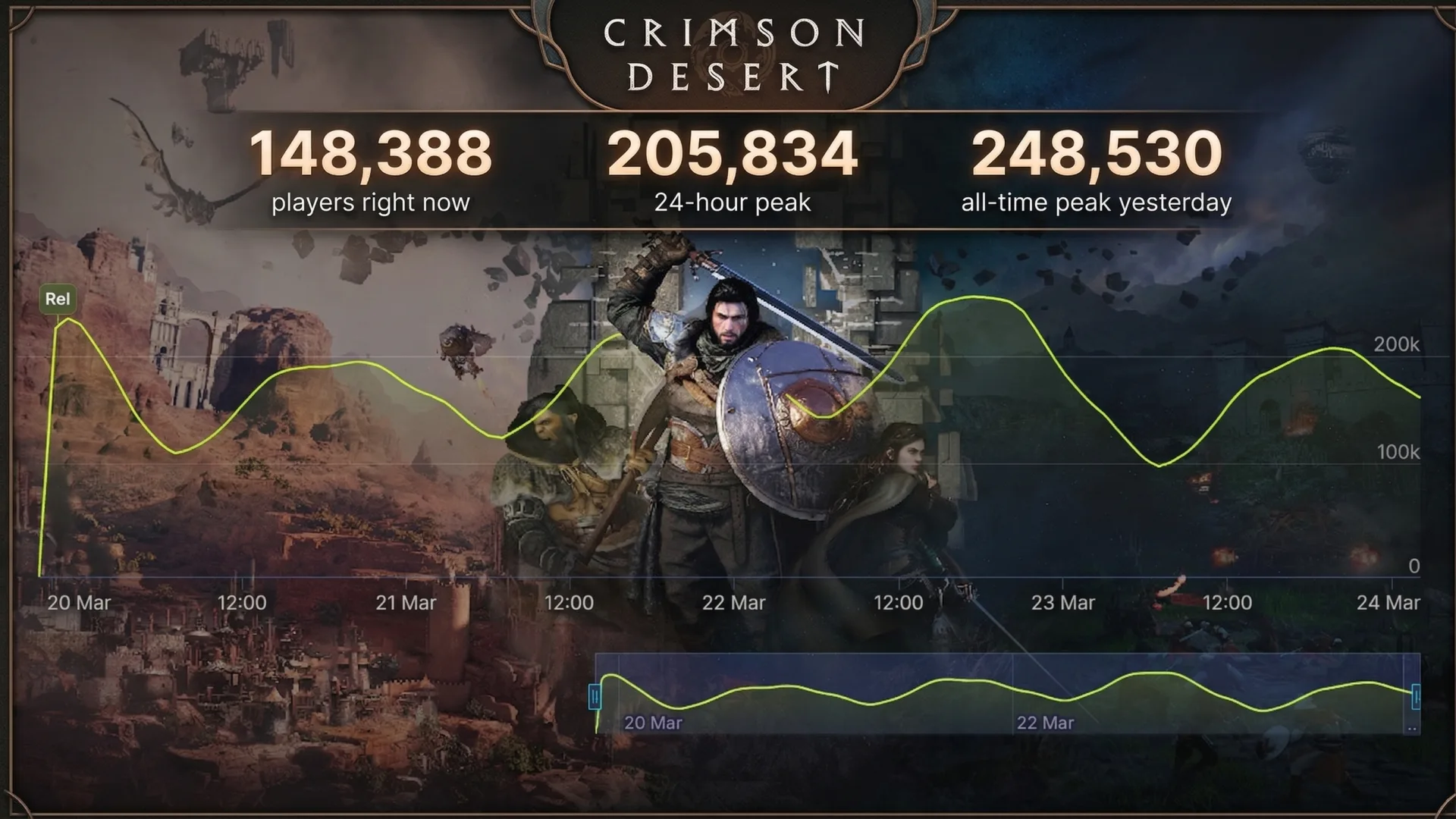
If you have just landed in Pywel, you already know Pearl Abyss hasn't built a typical RPG. Since its March 19 launch, Crimson Desert has proven as beautiful as it is demanding, especially for those trying to run it on high-end hardware like the new NVIDIA RTX 5090. While that GPU will set you back around 2,299€, even the most expensive rig won't save you from the game's cryptic progression systems and inventory hurdles.
After spending the last few days exploring as Kliff, we have identified several pitfalls that will stall your progress if you aren't careful. Use these strategies to navigate the early hours of Crimson Desert without ruining your long-term build.
Quick Reference: Crimson Desert Essentials
The Progression Trap: Stop Looking for XP
One of the biggest shocks for new players is the total absence of a traditional leveling system. You can kill thousands of enemies, but Kliff's base stats won't budge. Gear maintenance and skill acquisition are the only metrics that matter.
Progression is tied almost entirely to Abyss Artifacts. This universal currency is used for everything: unlocking skills, upgrading stats, and refining high-level gear. Some players suggest hoarding Artifacts for late-game gear refinement, but we consider that a mistake. Spend them on your skill tree early. The combo-based combat is far more manageable when you have a full kit of abilities rather than a slightly sharper sword.
How to Solve the Inventory Crisis
Pearl Abyss has been surprisingly stingy with starting inventory. To make matters worse, your gathering tools—pickaxes and axes—occupy inventory slots even when you have them equipped. This frustrating design choice leads to constant "Inventory Full" messages during your first five hours.
To fix this:
- Buy Small Bags: Almost every merchant sells these for 50 coppers. They only grant one slot each, but in the early game, every inch of space counts.
- Tales of Hernandian Merchants: Do not skip these side quests. They are the most efficient way to expand your carrying capacity, offering three slots per completed quest chain.
Mastering the Observation Mechanic
The "Observation" mechanic is the most overlooked feature in the game. Unlike other action-adventures where you find skill books or trainers, Kliff learns moves by watching enemies perform them. If you see a humanoid boss or elite enemy winding up a unique attack, pay attention. Failing to use the Observation mechanic means you will leave the best combat maneuvers on the table, making the mid-game much harder than it needs to be.
Why You Should Avoid Robbing the Hernand Bank
Early in the game, you can rob the Hernand Bank using a mask and a generic key. This nets you between 50 and 75 silver—a major amount of money for a starting character.
However, we advise against it for most players. Crimson Desert uses a "Contribution" system. Stealing reduces these points even if you aren't caught. If your Contribution drops too low, you lose access to "Contribution Shops," which sell high-end gear that cannot be found elsewhere. Unless you are committed to a full "outlaw" playthrough, the short-term gold boost from the bank isn't worth being locked out of top-tier equipment later.
Character Swapping and Traversal Risks
Once you reach Chapter 3 and Chapter 7, you unlock Damiane and Oongka as playable characters. Switching between them keeps combat fresh, but it is a liability during exploration.
The Fall Damage Warning: Kliff has the unique ability to glide and fly. Damiane and Oongka do not. If you are mid-air or standing on a cliff edge and swap characters, you will fall to your death. We found this out the hard way during a mountain descent.
For vertical movement, we recommend mastering the Force Palm utility. Marketed as a combat stun, this skill can actually be used up to three times in mid-air for a vertical boost. It is also the only way to heal your horse in the field and activate specific environmental puzzles.
Managing Rare Resource Respawn Timers
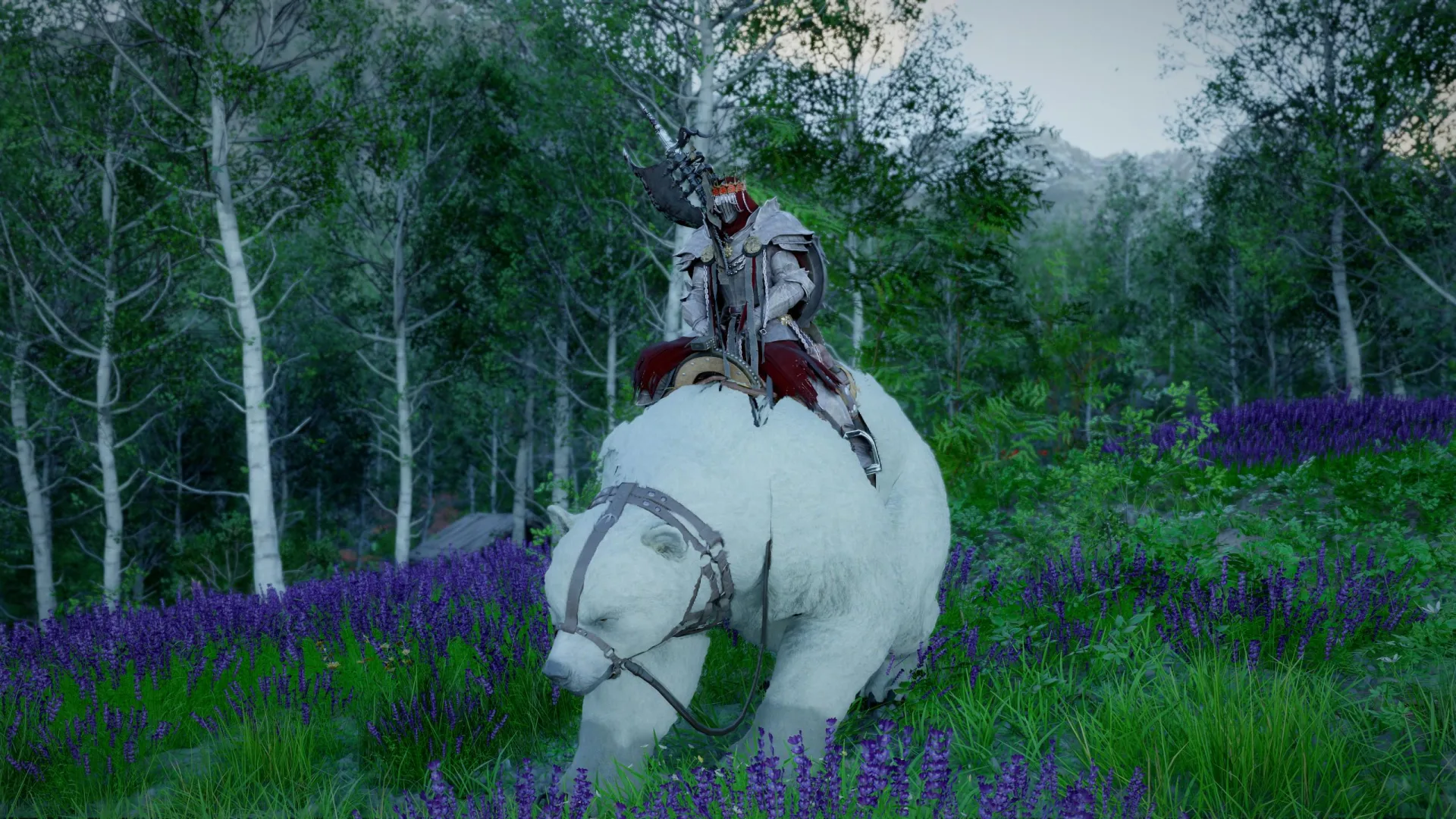
If you find a node for iron or diamonds, mark it on your map, but don't expect to farm it. Rare material nodes have a respawn timer of up to seven in-game days—which can equate to a full week of real-world time depending on your play session length. This makes crafting high-level gear a slow process.
Because of these long timers, we recommend using your grindstones and anvils constantly. These provide temporary stat buffs to your armor and weapons, which is often more efficient than waiting for rare ores to respawn for a permanent upgrade.
The Utility of Village Pets
Ignore the stray dogs and cats in villages at your peril. Petting and feeding them builds a "Trust" meter; once this reaches 100, the animal becomes a companion. More than a cosmetic touch, these pets automatically loot defeated enemies for you. Given how fast-paced the combo combat is, having a pet handle the loot while you move to the next target is a vital quality-of-life improvement.







Comments