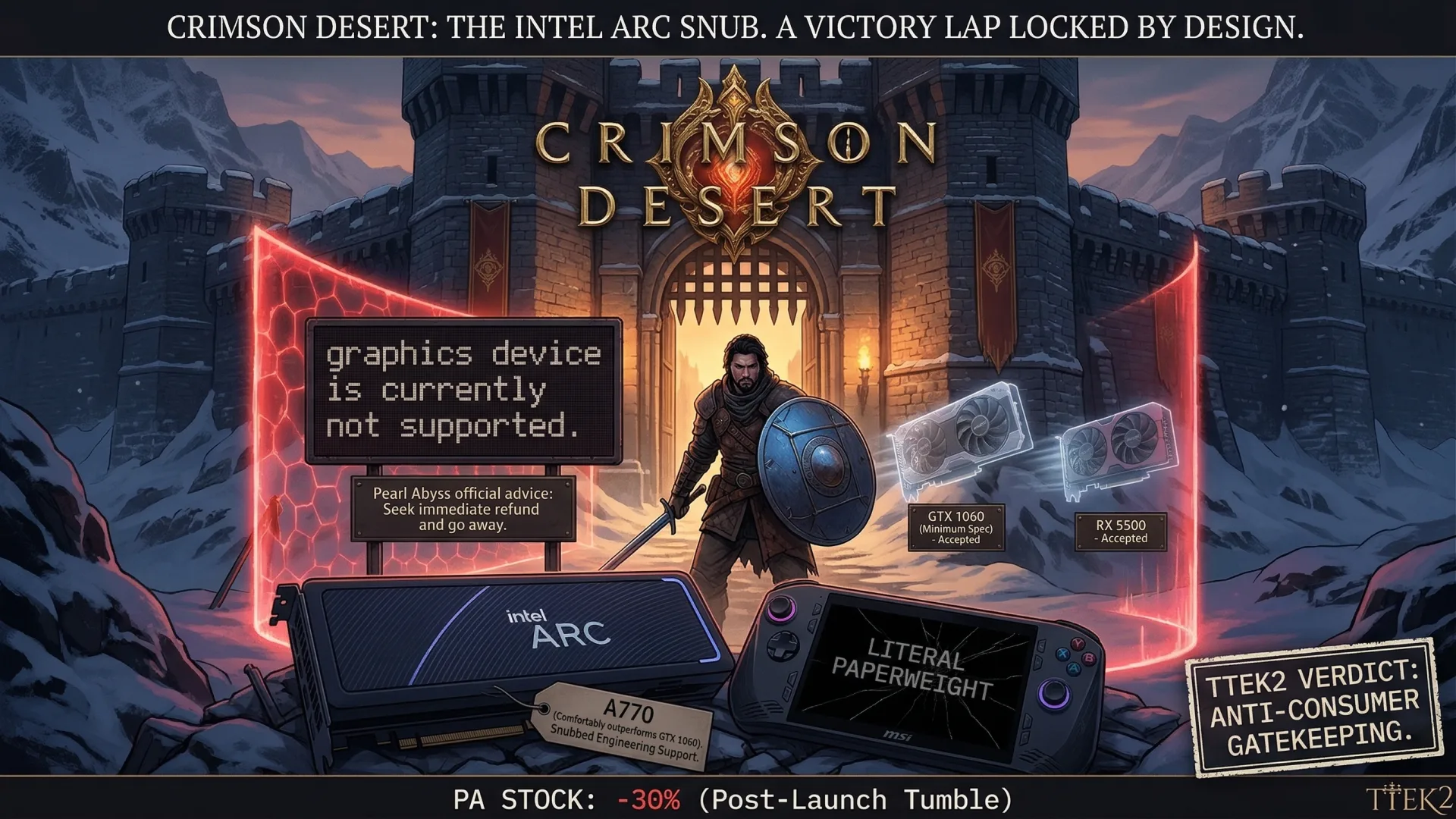
The launch of Crimson Desert should have been a victory lap for Pearl Abyss. After six years in development, the game topped Steam’s sales charts and pulled in an estimated $20 million in pre-order revenue. Beneath the high-fidelity snow and flashy combat lies a technical gatekeeping issue that feels like a throwback to the worst eras of PC gaming.
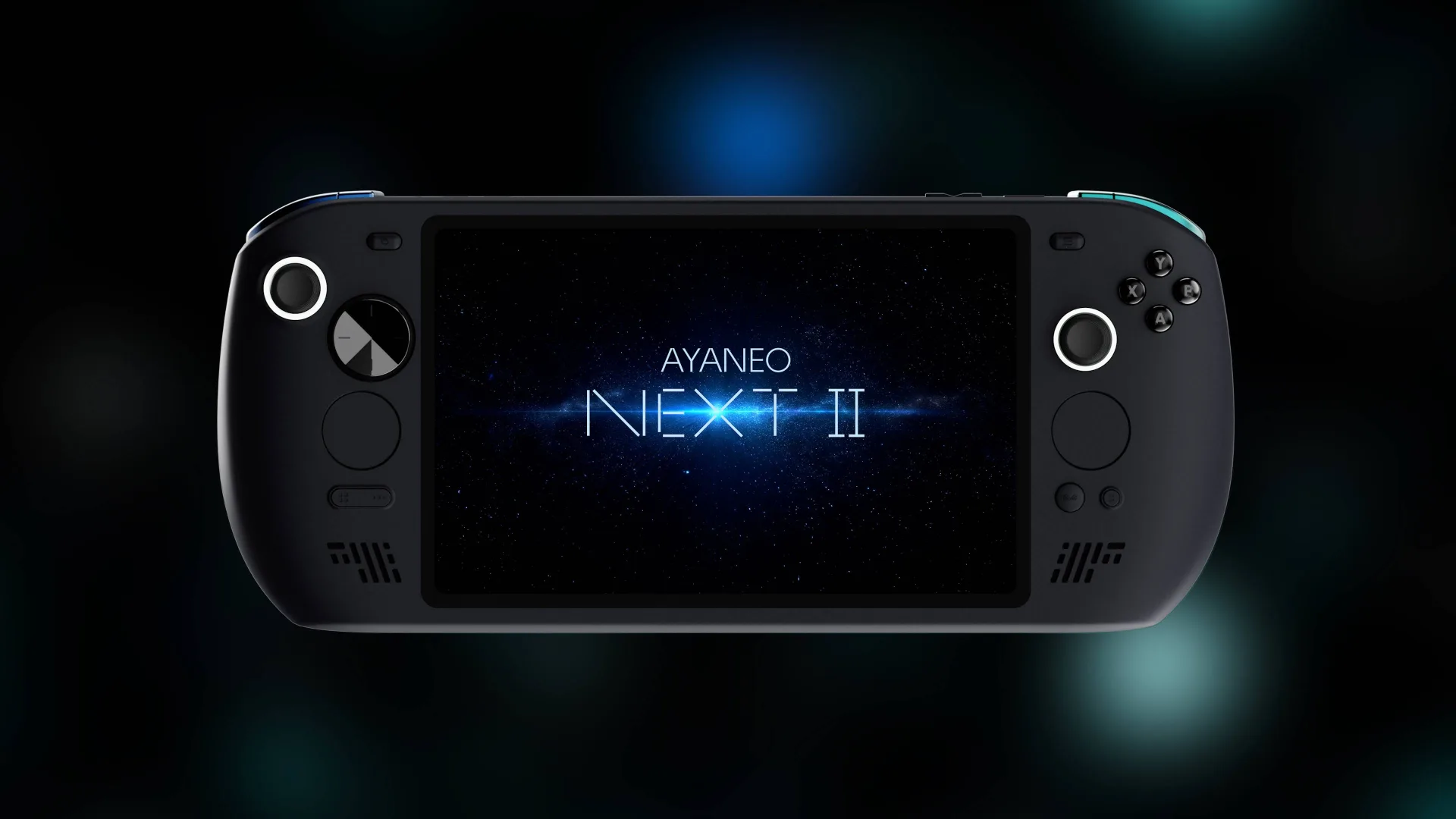
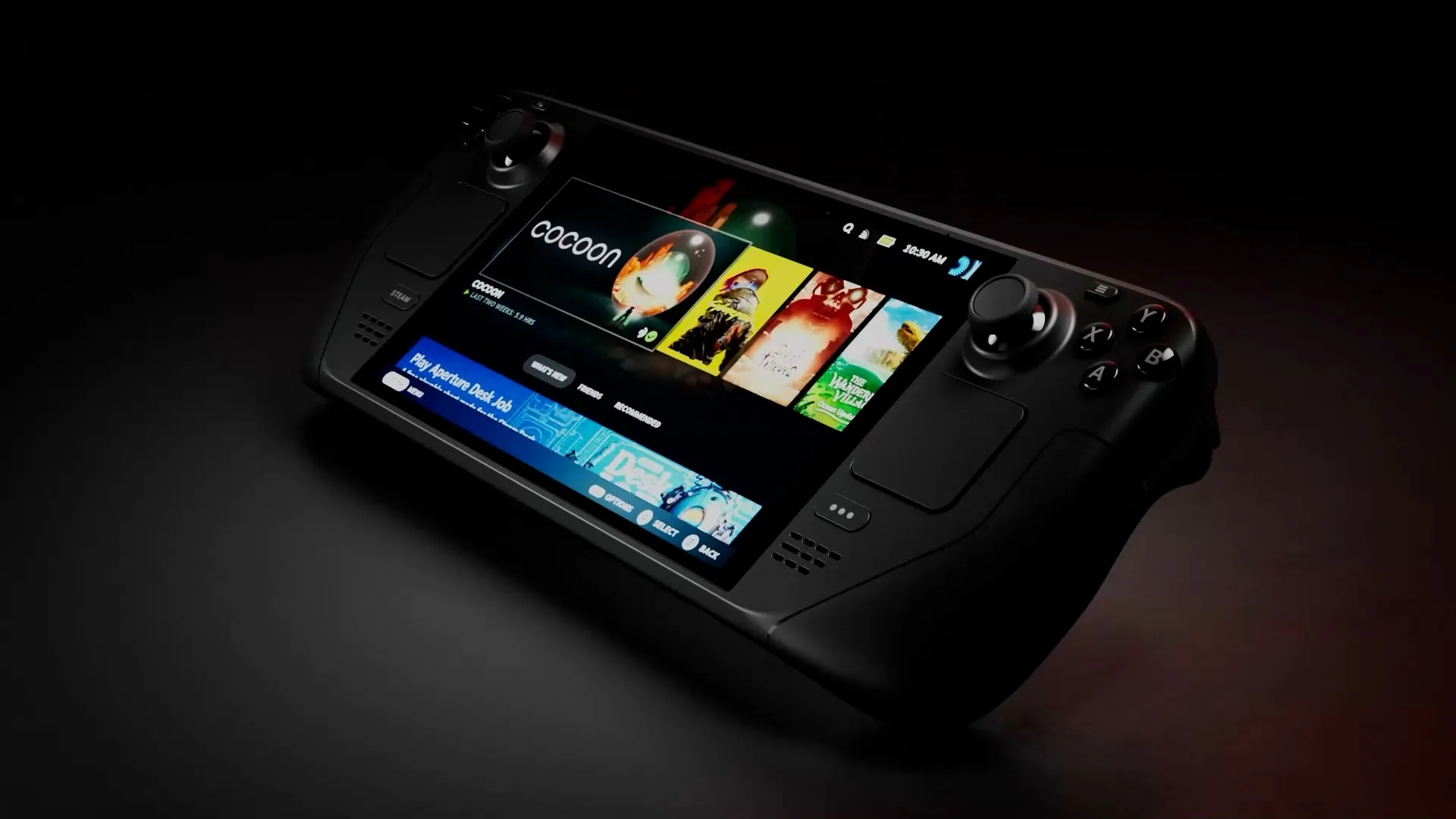
If you are trying to play Crimson Desert on Intel Arc hardware—whether it’s a discrete A770 or the integrated graphics in a new MSI Claw 8 AI+ handheld—you face more than poor performance. You are being told the game won’t even try to run. The "graphics device is currently not supported" error message is a hard lock, and the developer’s official solution is effectively: "Go away and get your money back."
The Deliberate Snub of Intel Engineering
The lack of support is egregious, but the reported history behind it is the most damning factor. Intel representatives claim they have been offering engineering resources and early hardware to Pearl Abyss for years. In the world of GPU manufacturing, this is standard practice. To ensure a smooth launch, hardware makers like Intel usually embed engineers or provide direct support to help developers optimize their engines.
Pearl Abyss reportedly snubbed these offers. While the game features deep integration for Nvidia (DLSS 4/4.5, Frame Gen) and AMD (FSR 3/4), Intel users have been left out in the cold. It is hard to believe this is a simple lack of time. Crimson Desert was in development for over half a decade. To release in 2026 and intentionally block a hardware vendor that holds roughly 1% of the market—and is growing in the handheld space—is a choice, not an accident.
Technical Requirements Prove the Block is Arbitrary
The irony of this hardware block is found in the game's own minimum specifications. A GTX 1060 or an RX 5500 is enough to get you past the title screen. In any objective performance metric, modern Intel Arc cards like the Alchemist A750 or the newer Battlemage series comfortably outperform those decade-old Nvidia cards.
By hard-coding a block against Intel, Pearl Abyss is effectively saying that even if your hardware is technically capable of pushing the pixels, you aren't allowed to try. This is frustrating for owners of the MSI Claw 8 AI+, a device built specifically around Intel's Lunar Lake architecture. For these users, a "top-tier" 2026 release is a literal paperweight.
Predatory Disclosures and Last-Minute DRM
We have seen messy launches before, but the timeline of Crimson Desert's disclosures feels predatory. The Intel Arc restrictions were not listed on official system requirements until the day the game launched. This meant approximately 400,000 people who pre-ordered the game did so under the assumption that "PC" meant "all modern PC hardware."
To make matters worse, Pearl Abyss added Denuvo Anti-Tamper DRM on March 12, 2026—just seven days before launch. This late-stage addition, combined with the undisclosed hardware blocks, suggests a developer more interested in protecting its bottom line and marketing partnerships than ensuring a broad, functional player base.
The market has already reacted. Despite high sales volume, Pearl Abyss saw its stock price tumble 30% following the launch. Some of that slide can be attributed to the usual "sell the news" behavior, but a large portion of it reflects the realization that the game’s technical foundation is more fragile than the trailers suggested.
Handheld Compatibility Is No Longer Optional
The rise of PC gaming handhelds has changed how we view optimization. In 2026, a game shouldn't just run on a desktop; it needs to be flexible. By ignoring Intel, Pearl Abyss has alienated a growing segment of the market. Intel’s Alchemist and Battlemage architectures have made major strides in driver stability, recently improving shader compilation times by 3x.
Intel did the work. They provided the tools. Pearl Abyss simply didn't use them. This sets a worrying precedent: if a developer can choose to ignore a hardware vendor they don't feel like supporting, the "open" nature of PC gaming starts to look more like the walled gardens of consoles.
TTEK2 Verdict
Our Take: Pearl Abyss has delivered a technical masterclass in some areas and a total failure in others. Blocking Intel Arc hardware that meets the performance threshold of the minimum requirements is an anti-consumer move motivated by politics or laziness rather than technical limitations. If a GTX 1060 can run this game, an Arc A770 certainly can.
Practical Takeaways:
- Intel Arc Owners: Do not wait for a patch. Pearl Abyss's official advice is to seek a refund immediately. Given their refusal to work with Intel engineering for years, a "day 30" patch for Arc is unlikely.
- Handheld Gamers: If you own an Intel-based handheld (like the MSI Claw series), stay far away from this title.
- The Industry Impact: This is a wake-up call for transparency. We believe Steam and other storefronts should mandate that hardware-specific blocks be disclosed weeks before pre-orders go live, not hours after launch.
- Silver Lining: If you are on Nvidia or AMD hardware, the suite of features is extensive, but be aware that the 30% stock drop reflects a rocky internal situation at Pearl Abyss. Proceed with caution.



Comments