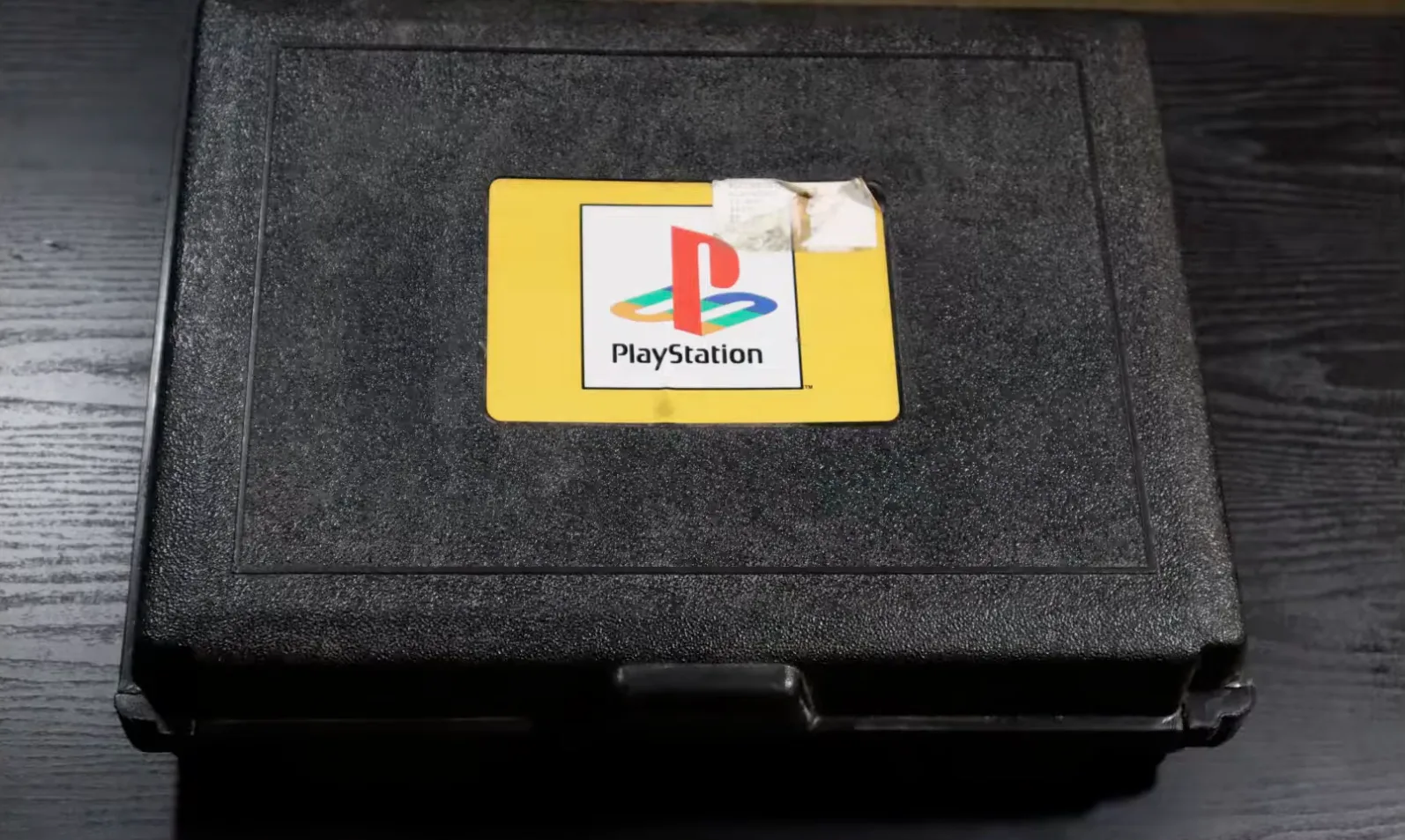
The concept of renting a video game console might evoke nostalgic memories of Blockbuster and Hollywood Video aisles in the 1990s, where a PlayStation 1 or N64 could be temporarily borrowed for a weekend's gaming spree. Fast forward to 2026, and Sony, the company that entered the console market in 1995, is updating this vintage idea with "PlayStation Flex" in the UK. This initiative is a calculated maneuver, reflecting a major shift in the gaming industry from outright hardware purchases toward a subscription-based future, rather than simply a nostalgic throwback.
While seemingly offering easier access to the PlayStation 5, we contend that Sony's Flex program is a double-edged sword, designed not just to alleviate affordability concerns but to further entrench players within its "Velvet-Roped Walled Garden" ecosystem.
The Return of Rental: A Modern Twist on a Vintage Idea
For those who remember the limited-time thrill of a rented Sega Dreamcast, the idea of not owning a console is familiar. However, the modern iteration, PlayStation Flex, is a distinct departure from those casual weekend loans. Partnering with London-based fintech company Raylo, Sony is offering the PS5 Digital Edition on lease terms ranging from 12 to 36 months, or even a flexible monthly rolling contract. This move directly tackles the persistent issues of PS5 scarcity, inflated reselling rates, and the high upfront cost that has locked out many potential players from next-generation gaming.
PlayStation Flex: Unpacking the Offering
Accessibility is central to PlayStation Flex. It includes free next-day delivery, 14-day returns, and a lifetime warranty on the console, aiming to remove common barriers to entry.
Here’s a breakdown of the current PlayStation 5 Digital Edition lease options through PlayStation Flex:
Shorter lease terms appear more appealing from a total cost perspective; however, the 36-month option, priced at £9.95 per month, reaches a total payment amount that surpasses the console's market value without transferring ownership.
The "Why Now?": Sony's Play
Sony's foray into console leasing is not simply a benevolent gesture to struggling gamers. It shows a wider industry trend: the transformation of gaming from a one-time product purchase into an ongoing service, driving recurring revenue and increasing customer lifetime value. This aligns with Sony's "Fifth Mid-Range Plan" (FY2024–2026), which targets 10%+ annual operating income growth.
The company's goal to spin off financial services by late 2025 further highlights a strategy to free up funds for high-potential areas like gaming, music, and imaging sensors, with an ambitious target to lead the entertainment world with a $1.5 trillion market by 2034.
By offering lower monthly installments, Sony aims to broaden its market reach, capturing consumers who cannot afford the standard purchase cost upfront. This is a savvy way to onboard new users into the PlayStation ecosystem, particularly as the PS5 has become the majority platform among PlayStation's 124 million active users as of March 2025, and PlayStation Plus revenue grew by 20% year-on-year in Q3 FY2024.
The Catch: Ownership vs. Access
The most glaring limitation of PlayStation Flex, and a point of considerable debate among consumers, is the absence of automatic ownership transfer at the end of the payment period. Unlike Microsoft's Xbox All Access program, where the console becomes yours after the payment term, the PS5 under Flex remains the property of the leasing partner (Raylo or Game, depending on the source). At the end of the lease, consumers must choose to apply for a new console with no upgrade fee, continue the subscription, purchase the console (subject to Raylo's discretion and enrolled rates), or return it. This fundamentally changes the value proposition for the consumer. While the allure of "no upgrade fee" for a new console sounds appealing, it simply perpetuates the rental cycle.
Furthermore, Raylo conducts a soft credit check, adding another hurdle for some potential subscribers. We believe that for longer lease terms, paying a cumulative amount that exceeds the retail price without ever owning the device is a tough pill to swallow for many, especially when factoring in the typical lifespan of a console generation.
The Walled Garden's New Gatekeeper
Beyond being a financing option, PlayStation Flex is another brick in Sony's "Velvet-Roped Walled Garden" strategy. The strategy aims to funnel users into Sony's ecosystem by locking prestigious games behind the PlayStation hardware, then upsell them on subscription services like PlayStation Plus. With PlayStation Plus prices in 2025 ranging from roughly $10/month for Essential to $18/month for Premium, a leased console becomes a gateway to consistent, recurring revenue from software and services.
Even Sony's calculated releases of games on PC serve as a marketing ploy, designed to hook new players before exclusive sequels inevitably drop on the PS5, drawing them deeper into the PlayStation fold. The console rental model simply lowers the entry barrier to this carefully constructed ecosystem.
TTEK2 Verdict
Sony's PlayStation Flex is a fascinating, if somewhat cynical, modernization of a 90s concept. It addresses genuine affordability issues and previous distribution woes for the PlayStation 5, offering a low-cost entry point to next-gen gaming. For those who prioritize access over ownership, desire frequent hardware upgrades, or simply cannot afford the upfront cost, Flex presents a viable, albeit limited, solution. The included perks like delivery and a lifetime warranty are attractive.
Still, the fundamental difference between leasing and buying cannot be ignored. PlayStation Flex, particularly the longer 36-month option, represents a poorer financial deal in the long run compared to an outright purchase. The absence of automatic ownership transfer at the end of the lease, a feature offered by competitors like Xbox All Access, is a major drawback and shifts the burden of hardware depreciation entirely onto the consumer, who never owns the asset. It transforms the console from a durable good into a utility, endlessly rented.
Ultimately, PlayStation Flex is a shrewd business move by Sony, designed to expand its user base and solidify its subscription-led future. For the consumer, it offers a Faustian bargain: immediate access at the cost of long-term ownership and potentially higher cumulative expenditure. We advise potential subscribers to carefully weigh the convenience of lower monthly payments against the enduring financial implications and the lack of console ownership. If you value flexibility and constant upgrades without the commitment of ownership, and you're comfortable with the total cost over time, Flex could be for you. If you prefer to own your hardware and aim for long-term value, saving up for an outright purchase remains the superior option.






Comments