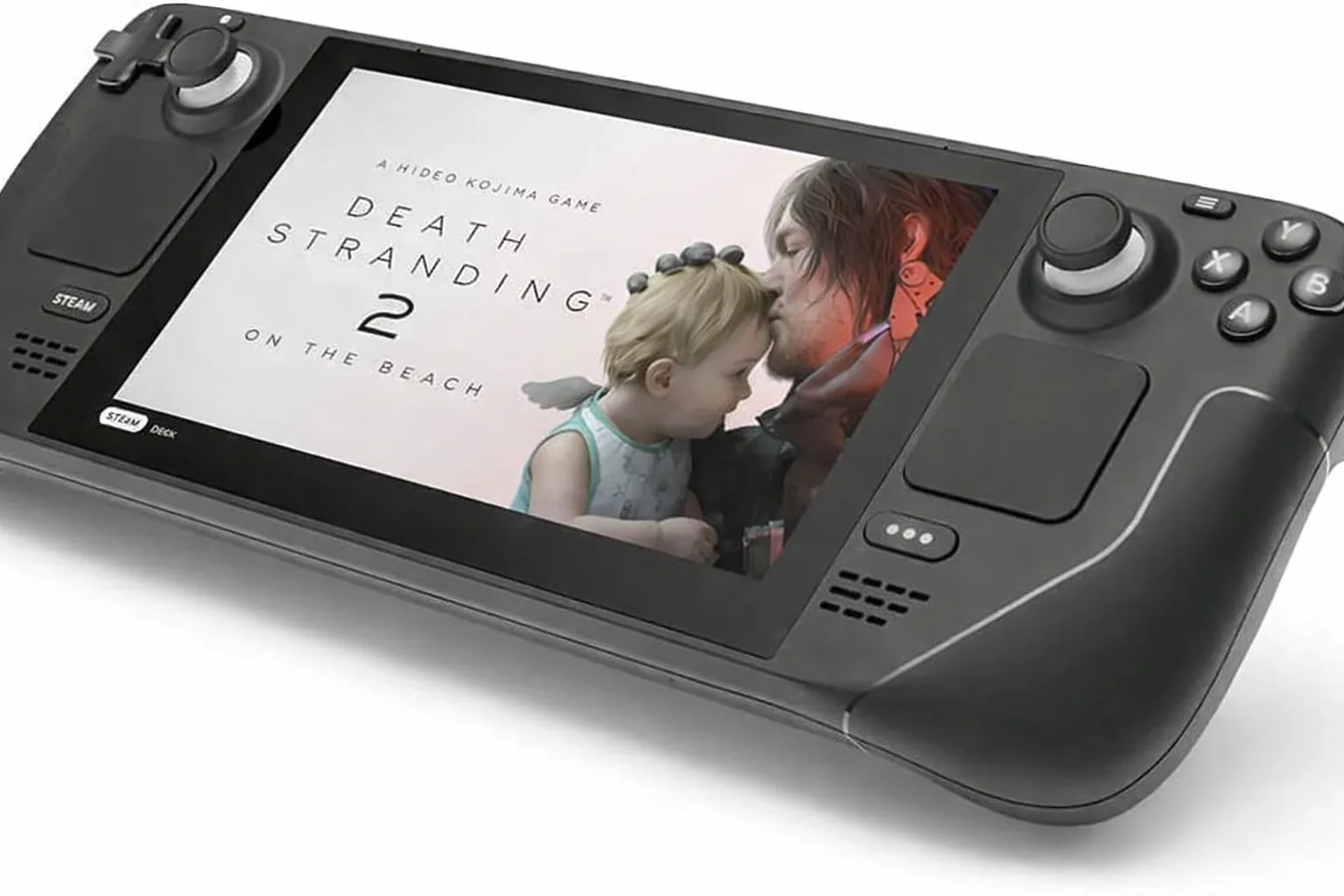
The PC launch of Death Stranding 2: On the Beach on March 19 arrived with the kind of momentum Hideo Kojima usually commands. Within days, it surged to over 55,000 concurrent players on Steam, outperforming the combined launch peaks of the original game and its Director’s Cut. But for those hoping to take Sam Porter Bridges’ latest trek across Australia on the go, the early results are more of a struggle than a stroll.
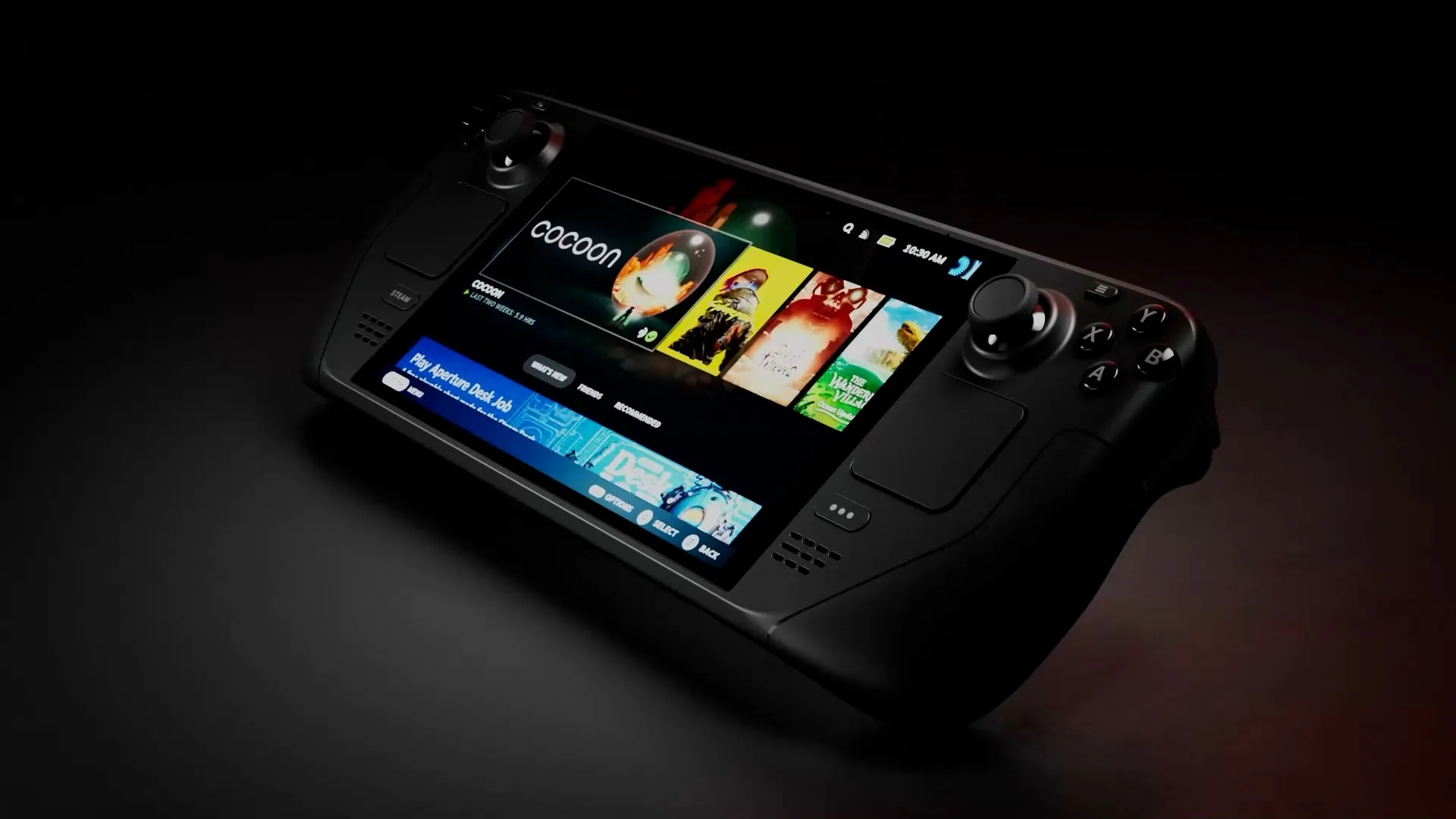
Nixxes Software, the studio behind the port, included a dedicated "Portable" graphics preset, yet the Steam Deck experience currently sits in a grey area. As of March 24, 2026, the game lacks an official Verified or Playable badge from Valve. Early community reports suggest that the "Portable" label might be more aspirational than functional for the Deck's current hardware.
The Decima Engine vs. Handheld Hardware
The struggle likely stems from the Decima engine. The engine produced some of the most striking visuals of the last generation, but it has a documented history of "traversal stutter" on the Steam Deck. This was visible in the original Death Stranding and more recently in Horizon Zero Dawn Remastered.
In Death Stranding 2, the technical demands have scaled up considerably. The minimum requirements call for a GTX 1660 or a Radeon RX 5500 XT, both of which sit comfortably above the Steam Deck’s integrated RDNA 2 GPU. Even with the "Portable" preset—which drops every setting to its lowest possible value—early testers in community forums report that hitting a stable 30fps on the Steam Deck OLED is a difficult task. Performance reportedly tanks well below that mark once players enter the open environments that make up the bulk of the game.
The game’s proprietary PICO (Progressive Image Compositor) upscaler also presents a hurdle. Unlike FSR or DLSS, which can sometimes work miracles on low-end hardware, PICO generally requires a solid base resolution to produce a clean image. On the Deck’s 800p screen, there simply may not be enough raw data for the upscaler to work with effectively without major visual degradation.
The "Eclipse" Workaround
Because the official "Portable" preset is currently failing to deliver a smooth experience, the modding community has already stepped in. The "Eclipse Mod," documented as improving Steam Deck playability as of approximately March 23, 2026, attempts to tweak rendering parameters that are locked away in the standard settings menu.
Combined with Lossless Scaling—a separate paid utility on Steam—some users have managed to reach what they describe as a "borderline playable" state. However, this is far from a user-friendly solution. It requires:
- Switching the Deck to Desktop Mode.
- Manually moving files into the game directory.
- Using specific game version 1.0.48 (future patches may break the mod).
- Fine-tuning frame interpolation settings to mask the underlying performance dips.
For most players, this is a lot of heavy lifting for an experience that still suffers from frame-pacing issues during the game’s central traversal loops.
Lessons From the Original Port
It is easy to look at the "Unknown" compatibility status and feel pessimistic, but history suggests Nixxes and Kojima Productions usually stay on the job. The original Death Stranding eventually became a staple of the Deck's "Great on Deck" library, though it took several post-launch patches to iron out the stutters and crashing issues.
There are also signs of hope in the wider Linux ecosystem. Some users on Linux desktops have noted that using "Proton Experimental" has improved stability, though these gains haven't yet translated into a performance breakthrough for the Deck’s specific power envelope.
Nixxes is widely regarded as one of the best porting houses in the industry, and the inclusion of a "Portable" preset at launch shows that handhelds were at least on their radar during development. Whether the Deck's hardware can actually be optimized enough to handle the 150GB behemoth remains the primary technical uncertainty.
A Waiting Game for Handheld Players
If you are considering picking up Death Stranding 2 specifically to play on your Steam Deck, the current evidence suggests a cautious approach:
- Avoid for Deck-only play: If the Steam Deck is your only way to play, you may want to wait for an official "Playable" or "Verified" badge. The current out-of-the-box performance is described by early adopters as poor.
- The "Portable" preset is a baseline, not a fix: Do not assume the presence of a handheld-specific preset guarantees 30fps. In its current state, it appears to be a "lowest settings" toggle that still struggles in open-world segments.
- Modding is a temporary bridge: The Eclipse Mod offers a potential path to playability, but its reliance on specific game versions makes it a volatile solution for casual users.
- Watch for Nixxes updates: Given the studio's track record, a dedicated performance patch is a possibility, though none has been officially confirmed.
For now, Death Stranding 2 on the Steam Deck feels like a bridge that hasn't quite been finished. The foundation is there, but the crossing is currently very unstable.



Comments