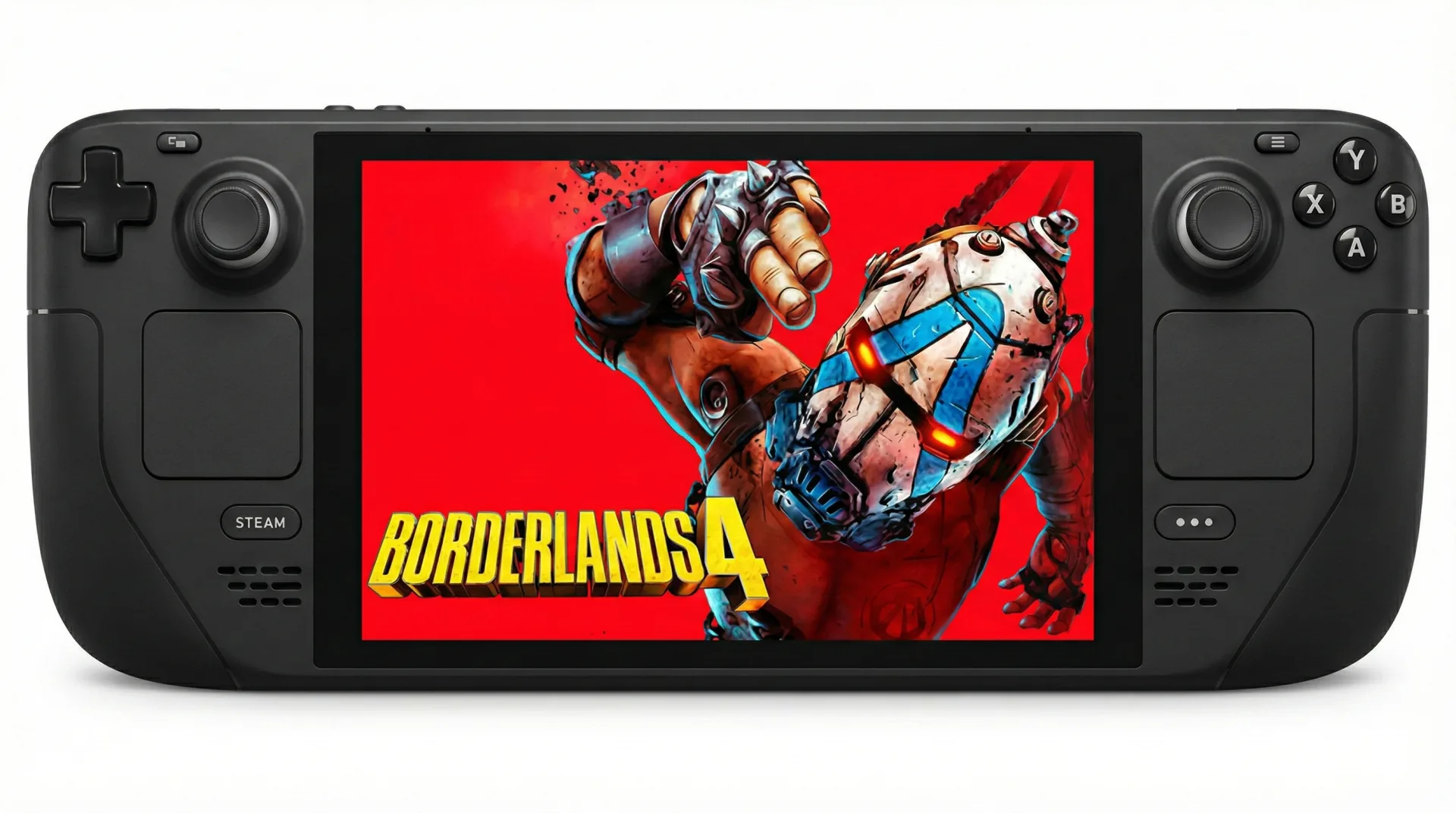
Just yesterday, on February 4, 2026, 2K confirmed what many Borderlands fans had anticipated: Borderlands 4, Gearbox Software's latest looter-shooter epic, officially secured its coveted Steam Deck Verified badge. On paper, this should be cause for celebration, signaling that the fast-paced, RPG-heavy action game is perfectly suited for Valve's popular handheld. However, for anyone considering shelling out $69.99 for the game on Steam Deck, a closer look reveals a troubling discrepancy between official claims and the actual user experience—a disparity that, in our view, severely undermines the credibility of the "Verified" status.
Borderlands 4 launched on September 11, 2025, bringing its signature blend of chaotic gunplay and character progression to the planet Kairos across PC, PlayStation 5, and Xbox Series X|S. With a new roadmap promising Pearlescent gear and Photo Mode updates, the game itself offers plenty for fans to sink their teeth into on more powerful platforms. But the question today isn't about the game's core experience on high-end hardware; it's whether it's truly ready for the portable frontier Valve's badge claims it is.
The Illusion of 'Verified': A Promise Unfulfilled?
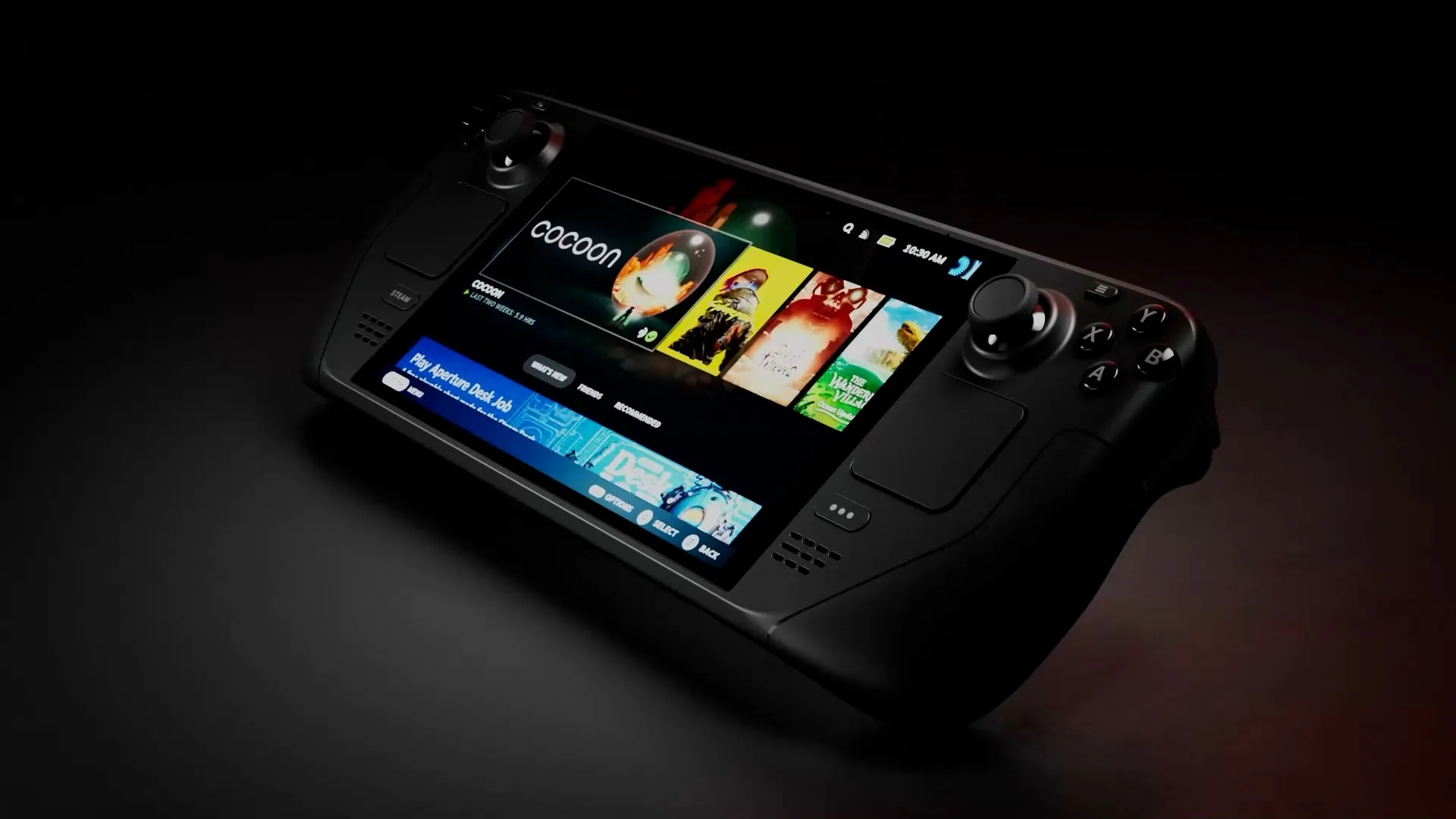
Valve's Steam Deck Verified program is designed to give players confidence that a game will "work great on Steam Deck, right out of the box." Its criteria are seemingly clear: functional controller input, full compatibility without warnings, support for default Steam Deck display resolutions, good default settings, and full Proton support. On paper, these are crucial for a smooth portable experience, ensuring players aren't wrestling with configuration just to start a game. According to Valve's own system, a "Verified" game's default graphics configuration should perform well on the Steam Deck.
And for Borderlands 4, the checklist is ticked. Valve's verification states the UI is legible, the default controller configuration is mapped correctly, and performance meets stability standards without requiring manual tweaks. It supports default Steam Deck display resolutions and has good default settings, along with full Proton support. For Steam Deck OLED owners, it even recognizes the HDR screen, and the virtual keyboard pops up automatically when needed – all hallmarks of a well-integrated portable experience.
Historically, the Borderlands series has enjoyed a decent portable life, with Borderlands 3, Borderlands 2, and even Tiny Tina’s Wonderlands listed as "Deck Playable" or "Deck Verified." So, the expectation for Borderlands 4 to follow suit was, understandably, high.
Beneath the Badge: A Pandora's Box of Performance Woes
However, the reality on the ground, or rather, on the handheld, paints a starkly different picture. Despite the shiny new "Verified" badge, Borderlands 4 appears to struggle profoundly on the Steam Deck's hardware. The evidence is overwhelming: a chorus of complaints backed by detailed technical analysis.
TechPowerUp, in an in-depth review, explicitly recommended against playing Borderlands 4 on Valve's handheld due to significant performance issues. This sentiment is echoed widely across online communities like X and Reddit, where users are calling the game "a slideshow" and "barely playable," even after numerous performance patches since its launch.
Specific performance metrics are grim, actively hindering enjoyment for anyone hoping for a stable experience:
- Many users report struggling to maintain a solid 30 FPS on the Steam Deck's integrated GPU.
- In some areas, the game reportedly runs as low as 12-14 FPS, only reaching 30 FPS in less detailed environments, with frequent stutters and dips below 20 FPS.
- Testing at the lowest possible settings resulted in around 22 FPS in opening areas, but with regular, jarring drops to 8-9 FPS. To us, these numbers don't just represent technical hitches; they describe an actively frustrating, immersion-breaking experience.
The core culprit appears to be the Steam Deck's CPU, which consistently spikes to 100% usage, creating a significant bottleneck. Furthermore, attempts to mitigate these issues with frame generation are futile. The in-game FSR introduces extreme input lag, making precise aiming, a cornerstone of Borderlands' chaotic gunplay, virtually impossible. Similarly, third-party solutions like Lossless Scaling are not recommended, especially at higher settings, due to input lag, stutters, and undesirable "bubbling" visual effects. While changing default 'quality' graphics to 'performance' might improve playability "a little," it's clearly not a silver bullet. Some users have found that manually setting the GPU clock can improve FPS, but this shouldn't be a prerequisite for a "Verified" title.
Gearbox CEO Randy Pitchford's previous statement that Borderlands 4 shouldn't be expected to run on devices below its minimum requirements rings particularly true here, even as it casts a shadow on the very meaning of the "Verified" status. It also puts into context the earlier decision to suspend development for a Nintendo Switch 2 version due to Unreal Engine 5 technical challenges – suggesting that optimization for portable hardware is proving exceptionally difficult for this title.
The Fading Credibility of the 'Verified' Status
For many fans, this situation raises serious questions about the Steam Deck's compatibility review process. If a game performs this poorly, struggling to maintain even a stable 30 FPS at its lowest settings, does the "Verified" badge still hold its intended meaning? We contend that it does not. It appears Valve's verification criteria, notably, do not directly review or account for actual in-game performance, focusing instead on technical compatibility and default settings. This fundamental oversight leads to misleading designations.
This isn't an isolated incident. The Steam Deck community has long grappled with the inconsistency of the "Verified" badge. Titles like Mortal Kombat 1, Baldur's Gate 3, and The Last of Us Part 1 have also received "Verified" status despite well-documented performance issues on the handheld, often dropping significantly below acceptable frame rates even on low settings. Many users vocalize their belief that the badge loses credibility when applied to games like Borderlands 4, which deliver such a compromised experience. There's even community speculation that publishers might "pay Valve for the verified status," given some of the perplexing designations. Critics argue that the current system is "broken" and "useless," suggesting Valve should either integrate a community-driven rating system like ProtonDB or explicitly guarantee a stable 30 FPS minimum for "Verified" games.
Our Verdict: A Pricey Proposition for Aspiring Handheld Vault Hunters
As of February 5, 2026, the official "Steam Deck Verified" status for Borderlands 4 feels less like an assurance and more like a misdirection. While the game itself may be a blast on more powerful platforms, its performance on the Steam Deck is severely lacking, riddled with low frame rates, stutters, and CPU bottlenecks that actively hinder enjoyment. The promise of a smooth portable experience, as suggested by the Verified badge, simply isn't delivered.
Given the $69.99 price tag, we cannot recommend Borderlands 4 for play on the Steam Deck. You'd be investing a significant sum into what is widely described as a "slideshow" experience that will only frustrate. If you're a hardcore fan determined to play Borderlands 4 on the go, it's best to wait for major performance patches that genuinely address the underlying issues, or consider playing it on PC, PlayStation 5, or Xbox Series X|S, where the experience is far more polished. The "Verified" badge, in this instance, is broken.
Borderlands 4 is described by its developers as containing content not appropriate for all ages, including Intense Violence or Gore, Suggestive Themes, Strong Language, General Mature Content, and Some Nudity or Sexual Content.





Comments