The rumor mill isn't just churning; it's practically screaming with tantalizing details about Sony's next-generation console, the PlayStation 6. While Sony itself remains tight-lipped, credible hardware leaker Kepler L2, a name we've come to trust for accurate past leaks, has given us a deep dive into what could be the PS6's defining feature: an astonishing leap to 30GB of GDDR7 memory. This potential upgrade, nearly double the PS5's 16GB, undeniably signals Sony's massive ambition for next-gen gaming. But in our view, it also immediately raises crucial questions about cost, efficiency, and the significant challenges currently facing the tech industry.
Betting Big on Memory: 30GB of GDDR7 Unpacked
If these leaks hold true, the PlayStation 6 is poised for an immense increase in memory, featuring 30GB of GDDR7. This represents an almost 90% jump over the PS5's 16GB GDDR6 and nearly double the unified memory found in the recently released PS5 Pro. We think this isn't just an upgrade; it's a bold statement, laying the groundwork for truly immersive experiences, especially when paired with the rumored AMD Zen 6-based CPU and RDNA 5 GPU architecture (also known as UDNA or Orion APU). Such a generous memory pool would grant developers serious headroom for high-resolution textures, complex environments, and sophisticated visual effects, pushing the boundaries of what's graphically possible.
This massive boost in capacity is also paired with an expected memory bandwidth of 640 GB/s. While impressive on its own, this is a 42% increase over the original PS5's 448 GB/s and an 11% bump over the PS5 Pro's 576 GB/s.
Let's look at how the rumored PS6 memory stacks up against its predecessors:
The Efficiency Equation: Can Software Compensate for Hardware Choices?
Despite the impressive 30GB capacity, some community discussions, which we've followed closely, express concern over the rumored 160-bit memory bus. This is notably narrower than the 256-bit designs seen in both the PS5 and PS4. This design choice, combined with a 640 GB/s bandwidth that some consider a "relatively small upgrade" over the PS5 Pro's, suggests Sony and AMD are leaning heavily on efficiency gains rather than brute-force bandwidth alone. We find this intriguing, as it signals a potentially different philosophy for next-gen performance.
This is where the rumored advanced cache architecture and "Universal Compression" technology come into play. Developed in partnership with AMD as "Project Amethyst," Universal Compression reportedly evaluates and compresses all available data within the GPU, dramatically reducing the need for raw memory bandwidth. This innovative approach could effectively compensate for a narrower bus or a seemingly modest bandwidth increase. However, we remain cautiously optimistic, as delivering on such promises in real-world game scenarios is a significant technical challenge. We also note that some users feel the rumored 10MB L2 cache is smaller than expected for a comparable PC GPU, which could further emphasize the reliance on this compression tech.
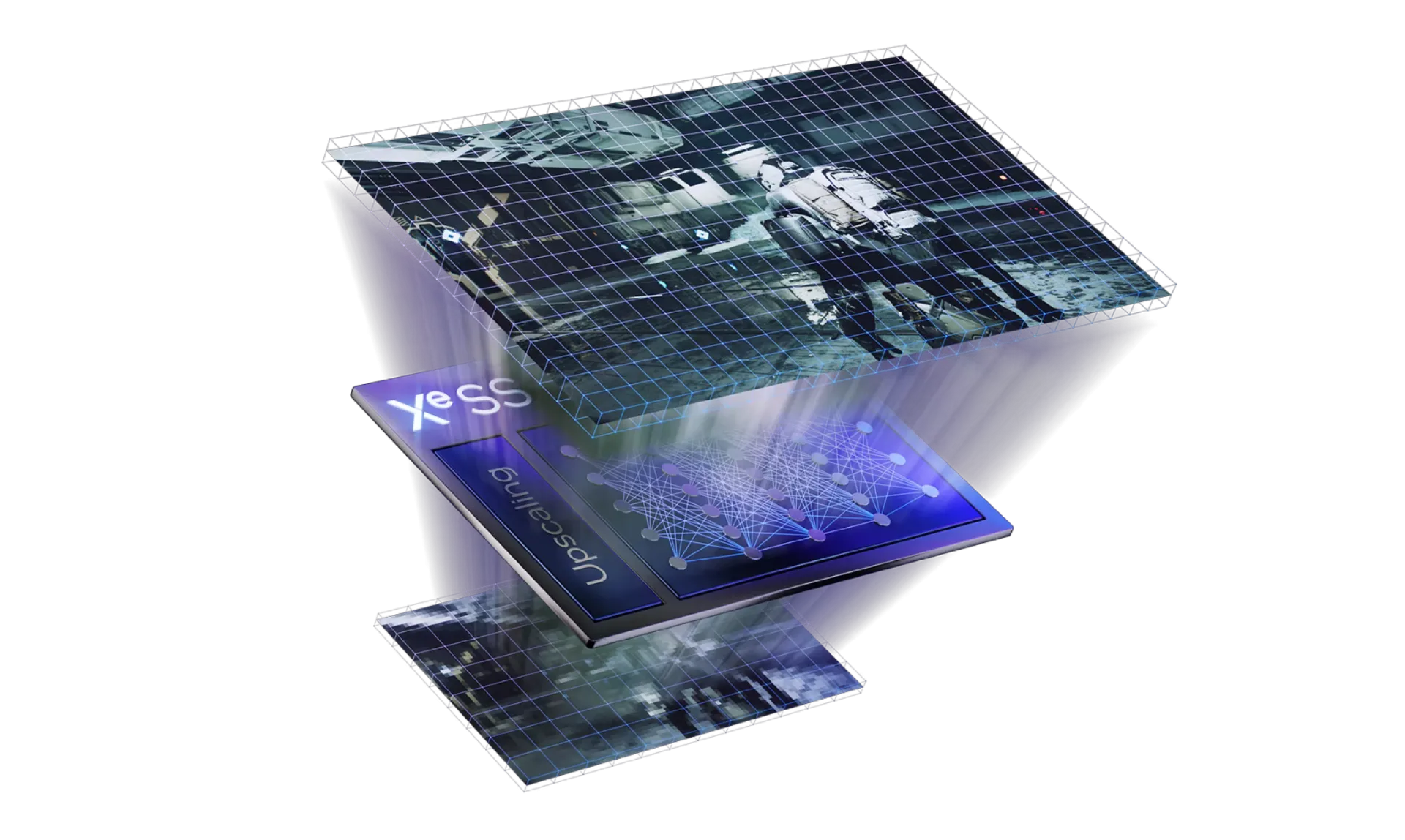
Furthermore, the PS6 is rumored to embrace AI-assisted graphics, including next-generation upscaling technologies such as the yet-to-be-officially-shipped FSR 4. These techniques are designed to render games at lower resolutions and intelligently upscale them, easing the demand on memory and GPU resources while delivering stunning visual fidelity. This synergy between advanced compression, intelligent cache management, and AI upscaling paints a picture of a console focused on maximizing every bit of its hardware, rather than simply throwing more raw power at the problem.
Sony's Dual Vision: The PS6 and a Potent Portable Companion
Adding another layer to Sony's audacious next-gen strategy is the rumor of a handheld counterpart, tentatively dubbed PS6 Portable (aka Project Canis). Its SoC is reportedly being developed simultaneously with the PlayStation 6, hinting at deep ecosystem integration. This portable powerhouse is also predicted to benefit from an AMD Zen 6 CPU and RDNA 5 GPU, and crucially, features a generous 24GB of LPDDR5X memory. This spec could place it firmly in the region of powerful portable devices like ASUS ROG's Xbox Ally X model, which we consider a strong benchmark for current handheld performance.
If true, Project Canis promises the ability to run modern games with significantly fewer technical compromises than previous portable efforts. The whispers of backward compatibility with PS4 and PS5 libraries for the PS6 Portable, and PS5 Pro for the PlayStation 6, further sweeten the deal, promising a vast game library from day one. In our editorial view, this dual vision suggests Sony is preparing a comprehensive ecosystem play, aiming to keep players within their hardware family whether they're at home or on the go.
Turbulent Waters Ahead: Economic Hurdles Facing Sony's Next Console
While these rumored specs paint an undeniably exciting future, the path to the PlayStation 6's launch is fraught with potential challenges, primarily due to the ongoing global memory crisis. RAM prices are rapidly escalating, and supply constraints are projected to persist for the next few years, already impacting other hardware projects like Valve's Steam Machine and Steam Frame. This is not merely an inconvenience; it's a fundamental market force that could reshape console launches.
This volatile market has led to varying predictions for the PS6's launch window. Some rumors point to late 2027 or early 2028, potentially coinciding with AMD's timeline for the next Xbox. However, others suggest a potential delay to 2029 or even 2030 to await more stable component pricing or to take advantage of the PS5's extended lifecycle. While Sony has reportedly secured manufacturing contracts with TSMC to begin producing the PS6's APU around mid-2027, global economic and market disruptions could still force a shift in strategy or timeline.
The significant memory upgrade, while a boon for performance, also carries a substantial potential financial burden. Community discussions highlight that 30GB of GDDR7 could add approximately $100 to the console's manufacturing cost compared to a 20GB configuration. Kepler L2 acknowledges this cost increase but suggests Sony is prepared to absorb it, at least for the initial years. However, we have a degree of skepticism here; such a premium, combined with broader market issues and AI-driven demand for memory, could easily push the PS6's retail price well above the historical $500 mark, potentially impacting consumer accessibility in a significant way.
Our Take: Betting Big on Memory, But At What Cost?
Assuming these leaks from sources like Kepler L2 hold true, the PlayStation 6 looks set to deliver a significant leap in gaming fidelity and experience. The impressive 30GB of GDDR7, coupled with sophisticated memory efficiency technologies and AI-assisted graphics, promises incredibly detailed worlds, advanced ray tracing capabilities, and visually stunning gameplay that could genuinely redefine expectations. The ambition for a powerful companion portable device further reinforces Sony's commitment to ecosystem integration.
However, the journey to launch is clouded by stark economic realities. The looming memory crisis and its potential impact on both component pricing and overall availability remain significant variables. Gamers should temper their excitement with the understanding that these specifications are still unconfirmed rumors, and the final product, its retail price, and its eventual launch date will ultimately be shaped by both market forces and Sony's strategic decisions. For now, the prospect of 30GB of GDDR7 in a PlayStation 6 is a powerful indicator of the stunning visual experiences Sony aims to deliver in the coming years – but also a reminder that cutting-edge technology often comes with a higher price tag for both the manufacturer and, ultimately, the consumer.






Comments