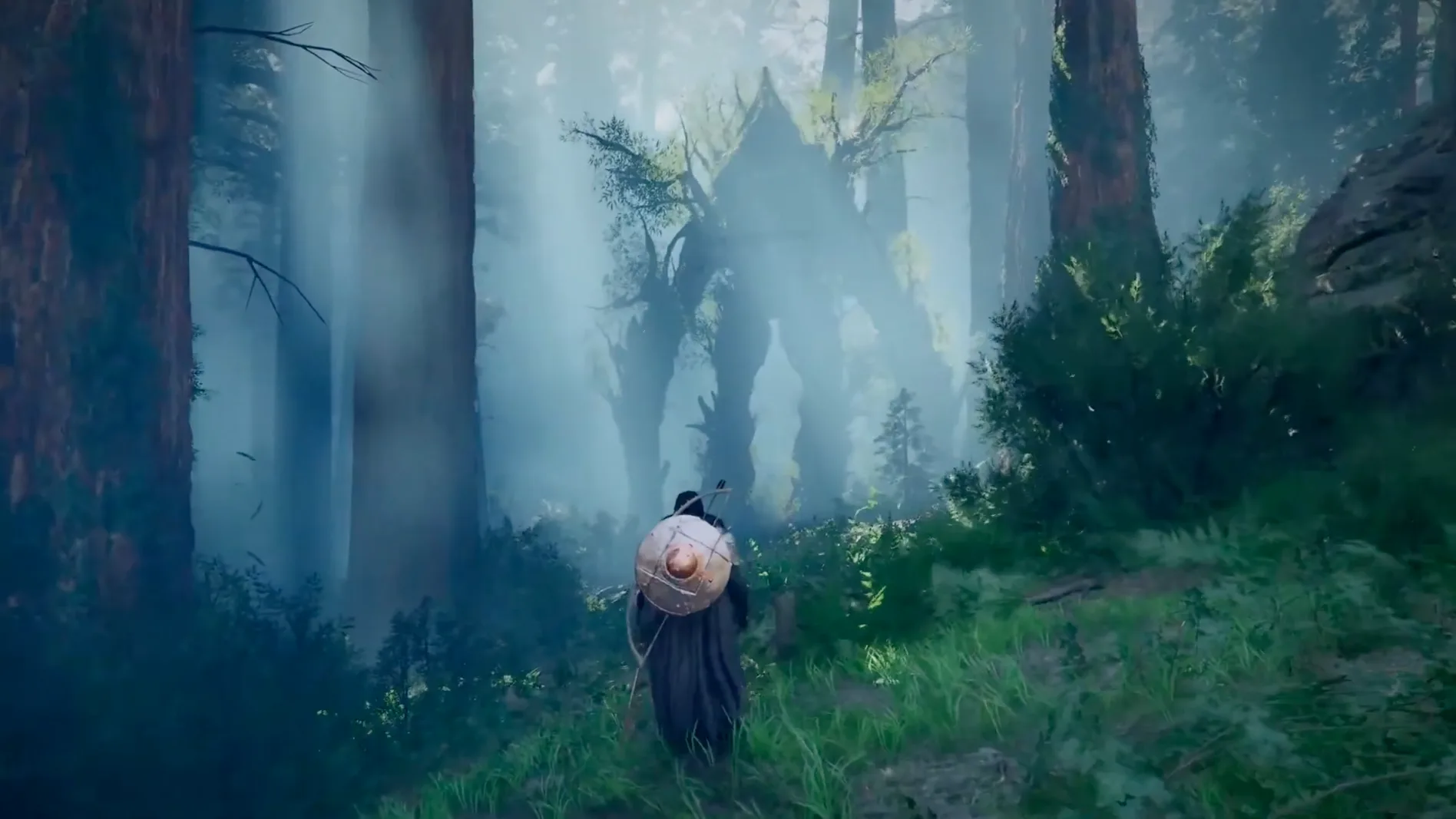
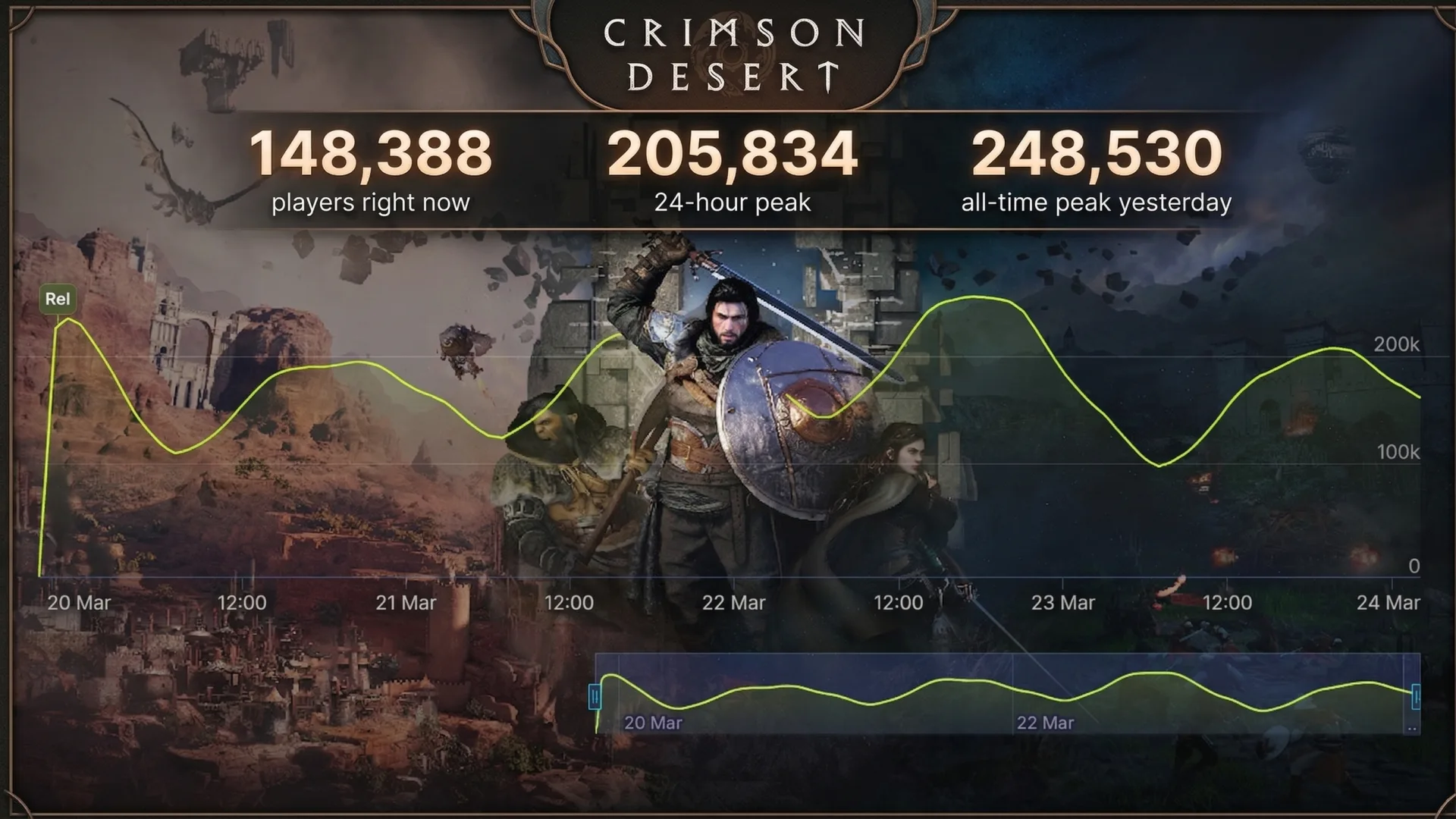
After years of trailers that looked almost too good to be true, Crimson Desert has finally arrived on the continent of Pywel. With a peak concurrent player count hitting 240,000 on Steam within its first twelve hours, interest in Pearl Abyss’s ambitious follow-up to Black Desert is evident. Yet, after spending a week navigating its warring factions and jagged mountain passes, we found a game at war with itself. It is a technical marvel that feels like it was designed by a committee that forgot to talk to the person in charge of the buttons.
A Visual Giant with an Identity Crisis
Pywel is one of the most detailed environments ever put to screen. Testing on an AMD Ryzen 9 3900XT paired with an RTX 3070, we found the performance surprisingly stable. Even during massive skirmishes that would normally tank a frame rate, the engine held steady. The world feels dense and lived-in, rejecting the "theme park" feel of many modern open-world titles in favor of something more organic.
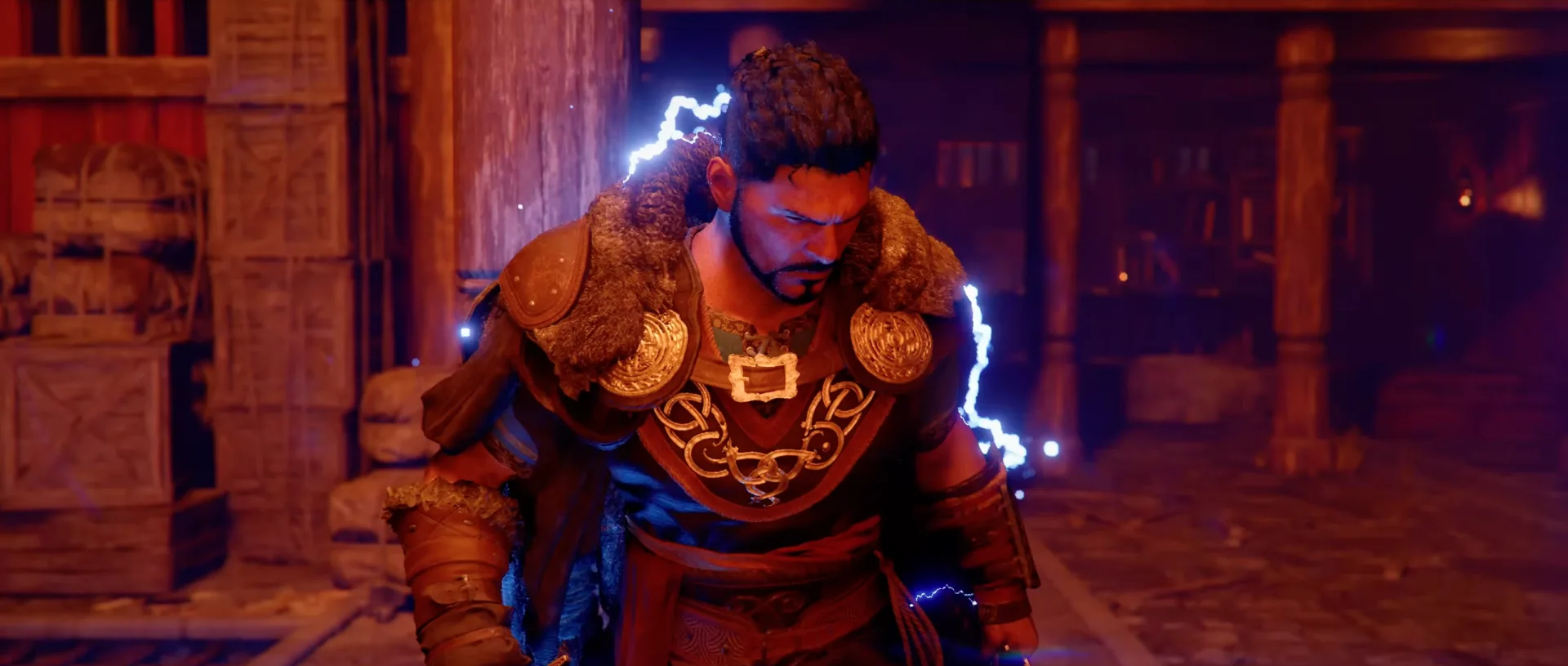
That visual polish is often skin-deep. The ability to swap between three protagonists—Kliff, Damiane, and Oongka—lacks depth, leaving the characters feeling shallow. In our view, the narrative lacks the cohesive pull found in The Witcher 3: Wild Hunt. Instead of offering personal stakes, the story feels like a series of disjointed excuses to move from one high-fidelity vista to the next.
Combat Ambition vs. Control Chaos
The "Watch and Learn" mechanic defines the experience, allowing you to unlock new moves by observing enemies. It creates a sense of progression that feels earned rather than just bought through a skill tree. When the combat clicks, specifically during the large-scale boss encounters, it feels like a genuine evolution of the action-RPG genre.
The actual act of playing is another story. The control mapping is a disaster. Whether using a keyboard or a controller, the button layouts are clunky and unintuitive. We frequently found ourselves struggling with basic inputs during high-stakes fights. This frustration is compounded by a strange inconsistency in difficulty. Some bosses require precise, "soulslike" timing that punishes any mistake, while others can be finished instantly using environmental gimmicks. Two different teams seemingly designed the encounters without a shared vision for the challenge.
System Bloat and Basic Oversights
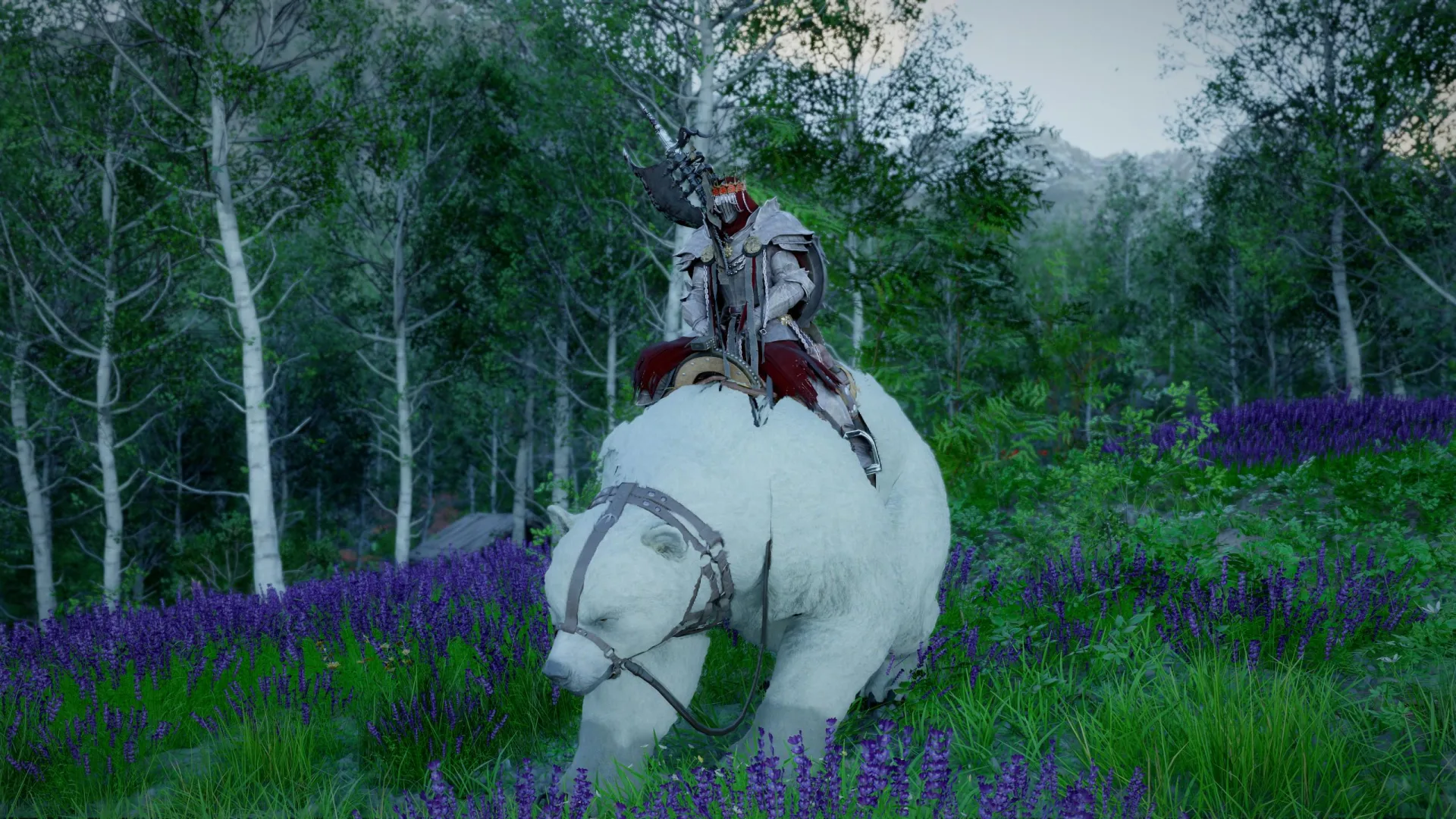
Pearl Abyss stuffed Crimson Desert with every system imaginable: horse taming, fishing, trading, and settlement building. Despite the wealth of content, the game often misses the forest for the trees.
- Inventory Woes: At launch, the game lacked a dedicated item storage or chest system. A day-one patch added 250 slots to your personal inventory, but the absence of a "home base" storage system in a game focused on crafting and trading is a major oversight.
- The Travel Tax: Fast travel is intentionally limited and often hidden behind environmental puzzles. Although we appreciate the desire to encourage exploration, these puzzles feel like busywork designed to pad the runtime.
- Audio Glitches: Nothing breaks immersion faster than a quest-giver switching voices mid-conversation. We encountered multiple NPCs who seemed to have two different voice actors for the same questline—a lack of polish that shouldn't exist in a $70 title.
Red Flags for Console Players
The total absence of console review keys before launch serves as a major red flag. Although our PC testing was smooth, the fact that no critic was allowed to touch the PlayStation 5 or Xbox Series X versions suggests Pearl Abyss lacks confidence in how those versions handle the heavy visual load.
We also encountered a major bug in the late-game main story quest that threatened to wipe out hours of progress. While the developers claim this has been patched, the fact that such a critical failure made it to the launch build is worrying for a game of this scale.
Ambition Marred by Poor Fundamentals
Crimson Desert is a game of breathtaking highs and infuriating lows. It captures the ambition of a next-generation epic, but it fails to master the basics of user experience and narrative flow. If you have a powerful PC and the patience to wrestle with clunky controls for the sake of exploring a beautiful world, there is a lot to enjoy here. For everyone else, we recommend waiting for a few more patches—and perhaps a sale—before stepping into Pywel. It is a solid adventure, but it isn't the revolution it claimed to be.
Recommendation: Wait for a sale or major UI overhaul.






Comments