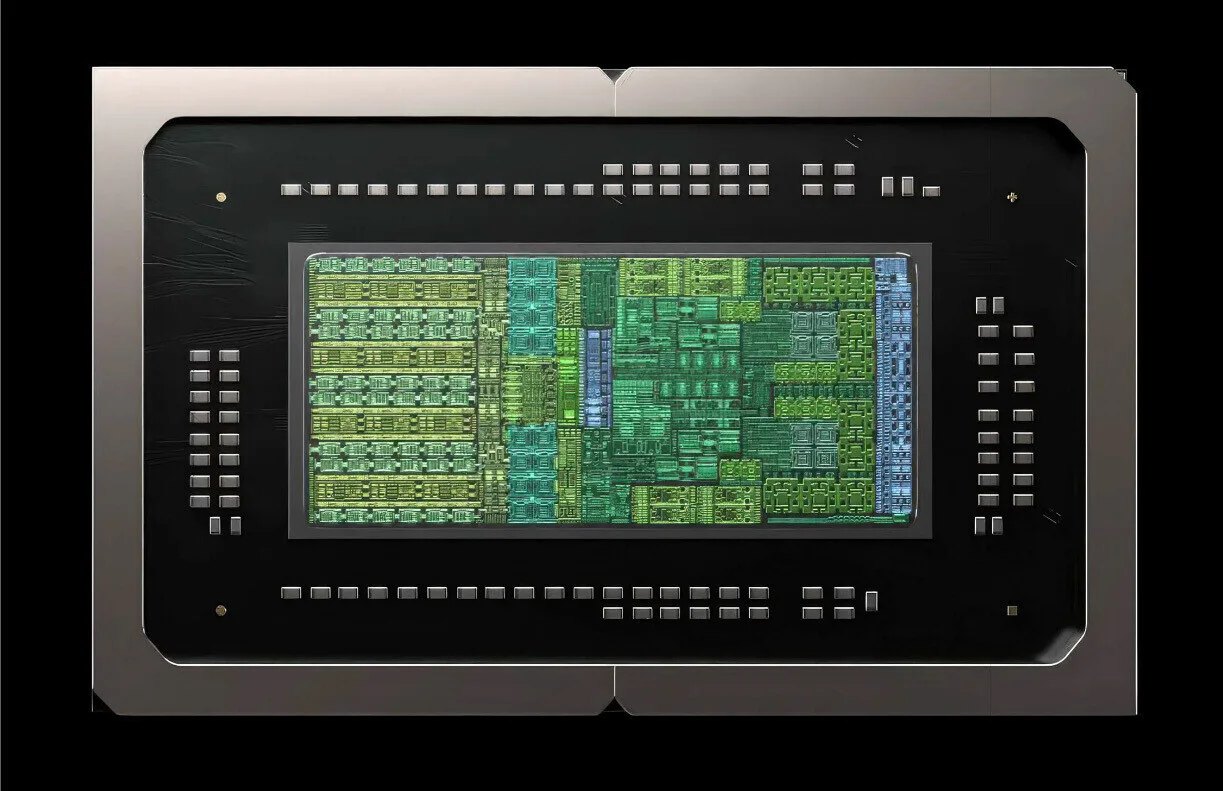
NVIDIA is making an ambitious return to the Windows laptop processor market this quarter, aiming to shake up the Arm-based PC ecosystem with its new NVIDIA N1X chips. These are slated for consumer notebooks in Q1 2026 (January 1 to March 31), marking NVIDIA's first foray into powering a Windows PC with its own processor since 2013. We believe this move is a direct challenge to Qualcomm, especially now that Microsoft's exclusivity deal, which previously limited Arm-based Windows PCs to Qualcomm processors, has expired. Other variants from the NVIDIA N1 series are expected to follow in Q2 2026 (April 1 to June 30), with sources indicating they will target the enterprise segment.
Co-developed with MediaTek, the N1 and N1X series signal NVIDIA's intent to establish itself as a significant player in the high-end Windows-on-Arm space. Given the long-standing challenges in this segment, however, we remain cautiously optimistic about how quickly NVIDIA can capture market share.
Pushing the Boundaries of Laptop Performance (and AI)
Both the N1 and N1X chips are designed with a foundation from NVIDIA's GB10 Superchip, a technology typically found in the powerful DGX Spark AI supercomputer. This lineage immediately suggests serious compute aspirations for these laptop chips. They feature 20 Arm v9.2 Grace CPU cores, a high core count that should offer substantial multi-threaded performance.
The N1X variant, however, is clearly positioned as the flagship, primarily due to its integrated graphics solution. Rumors point to a Blackwell-based GPU with an astonishing 6,144 CUDA cores—a count equivalent to the upcoming RTX 5070 desktop GPU. While we are intrigued by such a high core count, expecting full RTX 5070 performance from an integrated laptop GPU is, frankly, unrealistic given the inherent thermal and power constraints of a notebook chassis. Still, even a fraction of that power could redefine integrated graphics performance in laptops. Early, unverified benchmark leaks suggest the N1X CPU could offer competitive single-core scores against current Intel and AMD mobile CPUs and potentially outperform AMD's Strix Halo (AI Max 395+).
NVIDIA's strategy with the N1X appears to mirror Apple's M-series, aiming to merge high-performance processing, advanced graphics, and machine learning acceleration into a single, cohesive chip. The N1X claims up to 1,000 TOPS (trillions of operations per second) in AI performance. To put this in perspective, Qualcomm's Snapdragon X Elite offers around 45 NPU TOPS and up to 75 system-wide TOPS, while AMD's Strix Halo boasts 50 NPU TOPS. The N1X's 1,000 TOPS figure, if accurate, would be dramatically higher than current competitors, and likely represents the chip's total AI capabilities including its powerful GPU, which the desktop RTX 5070 itself offers nearly 988 AI TOPS. This level of AI processing could enable unprecedented on-device AI capabilities, but we'll need to see real-world applications beyond marketing claims to truly assess its impact.
The chip also supports PCIe 5.0 for fast NVMe SSDs and features a 256-bit LPDDR5X-9400 memory interface. These are premium specifications that should deliver top-tier data throughput. The rumored manufacturing on TSMC's advanced 3nm process further underscores NVIDIA's commitment to high-end performance and efficiency.
The standard N1 chip targets general consumer and high-end AI computing platforms, offering similar CPU capabilities to the N1X but with a less powerful integrated GPU.
NVIDIA N1 vs. N1X: At a Glance
A Bumpy Road to Market
The journey for the N1 and N1X series has been far from smooth, plagued by multiple delays. NVIDIA initially aimed for a Computex 2025 showcase last May and a market launch in September 2025. These plans were postponed due to several factors, including "Microsoft OS timelines" (specifically Windows 11 26H1), NVIDIA's own chip redesigns to address hardware-level issues, and broader political and economic influences affecting market demand.
While "Microsoft OS timelines" might sound like a convenient scapegoat, Windows 11 version 26H1 is indeed a specialized release focused on new hardware, available only preinstalled on select new devices in early 2026 and not as an update for existing PCs. However, reports also indicate significant hardware-level and software issues with NVIDIA's chips, necessitating "significant change to the design of the underlying silicon" and "tons of bugs and software issues". This suggests NVIDIA's internal challenges played a more substantial role than solely OS readiness.
Despite these hurdles, there's evidence of progress. In November 2025, a shipping manifest for a Dell laptop (initially "Dell 16 Premium," now "Dell XPS") listed an "N1X ES2" (engineering sample 2) and "DVT" (Design Validation Test), indicating active evaluation by manufacturers. This is a positive sign, but the persistent reports of delays temper our enthusiasm about a fully polished Q1 launch.
Navigating a Challenging Ecosystem and Market Realities
NVIDIA intends to position the N1 and N1X chips at the premium end of the market, targeting professional notebooks, high-end gaming laptops, and the broader premium consumer segment. This is an ambitious goal, as the Windows-on-Arm ecosystem continues to face significant hurdles. Application compatibility, particularly x64 emulation performance, remains a concern, even if Arm's CEO claims it's "largely a solved problem" for general applications. Gaming, in particular, presents specific complications due to anti-cheat software, launcher compatibility, and driver maturity. While Qualcomm has been actively working on downloadable GPU drivers and control panels to improve gaming on Snapdragon X Elite, NVIDIA will need to demonstrate a similarly robust and mature gaming experience out of the gate. We think the current state of Windows-on-Arm gaming is still a significant barrier for NVIDIA's "high-end gaming laptop" aspirations.
Pricing for N1 and N1X laptops remains unknown. However, industry analysts suggest that ongoing global memory (RAM and storage) shortages could contribute to higher notebook prices. AI demand is consuming a massive portion of HBM (High Bandwidth Memory) capacity, leading to dramatic price surges and potential reductions in RAM for consumer devices. Dell, for example, is reportedly planning significant price increases for memory. This wider market trend could make NVIDIA's premium positioning even more challenging if their laptops come with inflated price tags.
Furthermore, the absence of an N1/N1X showcase at CES 2026 earlier this January has led some to speculate about potential further delays or a "paper launch" for the Q1 debut. This lack of public demonstration for a product supposedly launching this quarter is, in our view, a significant red flag and adds to the skepticism around a smooth, high-volume rollout.
Looking ahead, NVIDIA is also exploring partnerships beyond Arm. The company is collaborating with Intel to develop Intel x86 RTX SoCs, which will integrate Intel CPUs and NVIDIA GPUs on the same die. This parallel development suggests NVIDIA is wisely hedging its bets, acknowledging that the Arm-on-Windows venture still faces considerable uncertainty.
The Next Iteration: Looking Beyond N1/N1X
NVIDIA has outlined plans for future Arm-based processors, with the NVIDIA N2 series for Windows-on-Arm notebooks expected to launch in Q3 2027 (July 1 to September 30, 2027). An N2X DGX Spark model is also slated for debut in Q4 2027 (October 1 to December 31, 2027). However, NVIDIA cautions that these timelines are speculative, as the silicon is still relatively early in development. Given the persistent delays and challenges with the N1 and N1X, we remain skeptical about these long-term roadmaps until NVIDIA can demonstrate a truly successful first-generation product. The future of NVIDIA's Arm ambitions hinges heavily on the performance and, crucially, the widespread adoption of its initial N1 and N1X offerings.









Comments