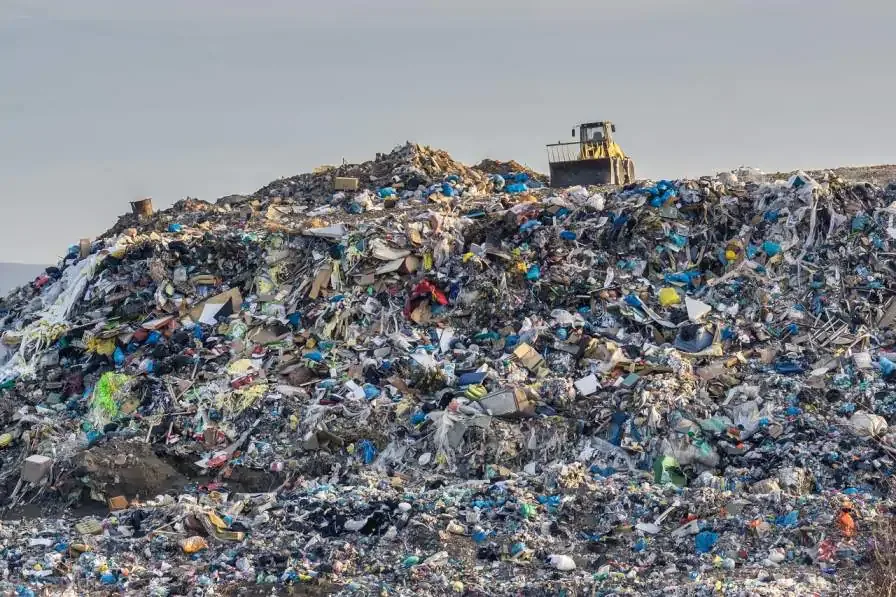
In an era where DDR4 memory prices are soaring to unprecedented levels, driven by record-breaking demand, the saga of Redditor u/ringosbigfuckingnose strikes a resonant, almost unbelievable chord with us. What began as a routine scour of electronics recycling containers at a local dump, typically a hunting ground for retro treasures from the 486 and early Pentium eras, culminated in an astonishing haul: a 64GB kit of high-performance DDR4 RAM, valued at approximately $500, alongside a trove of other modern PC components.
Posted on the r/pcmasterrace subreddit under the title "Major score at the dump today!!!", this discovery is a sharp illustration of the ongoing, often baffling, challenges in electronic waste management, the volatile dynamics of the current tech market, and the sheer potential for reclamation in a world increasingly burdened by discarded hardware. It begs the question: how much valuable tech are we simply throwing away?
From Landfill to Loot: An Unbelievable PC Upgrade
The crown jewel of u/ringosbigfuckingnose's expedition was undoubtedly a 64GB Corsair Vengeance RGB Pro DDR4 memory kit, comprising two 32GB desktop modules. This isn't just any memory; it's high-performance hardware with significant market value. A quick check reveals that Newegg currently lists similar used 32GB sticks for upwards of $250 each, placing the kit's value squarely around the $500 mark. For the finder, whose current setup features a Core i7-7700 and 16GB of DDR4-2133, this represents an enormous upgrade. Doubling the capacity from 16GB to 64GB and likely boosting speed will not only significantly enhance multitasking capabilities but also allow more applications to reside in memory, drastically improving system responsiveness. We believe this is the kind of immediate, tangible performance boost that many PC enthusiasts dream of, let alone finding it for free.
But the memory wasn't the only treasure salvaged. The Redditor also unearthed:
- A 10th Gen Intel Core i7 CPU paired with a Cooler Master cooler.
- An ASUS motherboard, likely compatible with the Intel chip.
- A Samsung monitor.
- A Drobo five-bay NAS (Network Attached Storage).
- And, ironically given the modern finds, a 5.25-inch floppy drive, a charming nod to the retro tech the Redditor usually seeks.
This collection paints a clear picture of a largely intact, relatively modern PC system that someone simply discarded. While the specific reasons for its disposal remain unknown, the sheer value of the components, particularly the RAM, highlights a significant and concerning disconnect in how functional technology is perceived and managed at the end of its first life. We find it hard to reconcile the idea of throwing out hundreds of dollars worth of working hardware with the current state of the market.
The RAM Renaissance: When 'Trash' Becomes a Premium
The sheer value of the 64GB DDR4 kit found in a landfill is particularly noteworthy in the context of the current "memory crisis." For months, the tech industry has been grappling with elevated prices for memory modules, including DDR4, a phenomenon largely attributed to the insatiable demand for DRAM from AI datacenters. These facilities are securing vast supplies, tightening the market and pushing prices higher for consumers and smaller businesses. Major manufacturers like Samsung, SK Hynix, and Micron are actively phasing out DDR4 production to focus on higher-margin DDR5 and High Bandwidth Memory (HBM) for AI applications, creating a severe supply crunch for DDR4. DDR4 spot prices have surged significantly since March 2025, reaching levels comparable to DDR5 prices by May 2025, with no meaningful drop foreseen before mid-2026 at the earliest.
This market dynamic makes u/ringosbigfuckingnose's find even more astonishing. Other Redditors have shared similar observations, underscoring the severity of the situation:
- One user on r/PcBuild recently noted selling 16GB of used DDR4 RAM on eBay for the exact price they paid five years prior.
- Another Redditor recounted purchasing two memory sticks for €52.90 each just eight months prior, only for them to be valued at €272.90 each by the time of their comment.
- Other anecdotes include DDR4 RAM bought for $199 now listed at $469, and 32GB of Vengeance RAM that cost $64 now going for $240.
These anecdotes reflect a market where functional, even used, DDR4 is appreciating in value rather than depreciating, making the landfill discovery not just a stroke of luck, but a reflection of a broader economic trend impacting PC builders and enthusiasts globally. It's a surreal time when discarded components can be more valuable than some new budget items.
The E-Waste Enigma: Are We Throwing Away Gold?
While u/ringosbigfuckingnose's find is exceptional, it's far from an isolated incident. The discovery of high-value, functional hardware in e-waste streams and second-hand markets has become a recurring theme, suggesting systemic issues in how electronic waste is handled and perceived. Past instances include:
- A $30 system found at Goodwill with an RTX 3080 Ti and a Ryzen 7.
- A Radeon 5700 XT graphics card purchased for a mere $4.99 at Goodwill.
- A $600 PC from a pawn shop containing a Zotac 4070 Ti Super, a Core i9-14900KS, and 64GB of T-Force Delta RGB DDR5 6000 memory.
- A friend working at a recycling depot reporting finds like a Radeon 6700 XT, RTX 4060, and an RTX 2060 Super, alongside full PCs missing only a GPU or SSD.
These examples, alongside the recent landfill find, raise critical questions for us: Why are powerful and valuable components being discarded? Is it rapid upgrade cycles, perceived obsolescence, a lack of awareness regarding proper recycling and resale channels, or simply the convenience of disposal? Regardless of the specific motivations, the environmental implications of functional technology ending up in landfills are serious, representing a massive waste of resources and contributing to pollution. It's a stark reminder that what some consider trash, others recognize as a valuable resource, and the planet pays the price for our collective apathy.
Buyer Beware: The Hidden Costs of Dump Diving
While the thrill of finding valuable tech is undeniable, the realities of salvaging hardware come with important considerations and warnings that we believe deserve careful attention.
- Condition and Stability: As with any used or salvaged hardware, the condition of the components is critical. The 64GB DDR4 memory, along with the CPU and motherboard, will require thorough testing for stability to ensure they function reliably. There's no guarantee that something discarded hasn't been damaged.
- Data Hygiene: Any salvaged storage gear, including the Drobo NAS, must be treated as potentially containing prior-owner data. Before reuse or resale, proper data wiping procedures are absolutely essential to protect privacy and prevent data breaches. We cannot stress enough the importance of assuming all salvaged drives contain sensitive information.
- Functional Limitations: The Drobo NAS, while potentially useful for local storage, comes with significant limitations. Drobo filed for Chapter 7 bankruptcy in April 2023, and official support for their NAS devices ended as of January 27, 2023. Plex, a popular media server, even announced it would end Drobo compatibility by Q2 2025, and the Drobo website itself became inaccessible in February 2024. This lack of ongoing software updates and support means they should not be connected directly to the internet unless configured with robust security measures and proper RAID modes, as they represent a potential security vulnerability. In our view, a defunct NAS is more of a liability than a legacy solution.
- Legal and Safety Concerns: It's crucial to remember that many recycling depots and landfills have specific rules and restrictions prohibiting the removal of items from e-waste bins. Taking items can be considered theft, and facilities often have policies against it due to liability and chain of custody issues. Furthermore, while these "major scores" make headlines, the reality is that most e-waste found in dumps is typically broken goods, posing a genuine risk for those attempting to reclaim items. Accessing these areas can also be dangerous due to heavy machinery and hazardous materials.
Our Collective Disconnect: The Future of E-Waste
The story of u/ringosbigfuckingnose's landfill score serves as a powerful analytical lens, offering insights into several facets of today's tech world. It highlights the surprising resilience and value of "older" components in a market driven by intense demand, particularly for memory. It also brings into sharp focus the sheer volume of functional electronics that end up in waste streams, challenging us to consider more sustainable practices for consumption, reuse, and recycling.
For one lucky Redditor, the dump proved to be a goldmine. For the rest of us, it's a blunt reminder that one person's trash can indeed be another's treasure, but also a call to reflect on our collective responsibility in managing the growing tide of electronic waste. As our devices become more powerful and upgrade cycles accelerate, ensuring that valuable components find new life—whether through formal recycling programs or intrepid scavengers—is more important than ever. We firmly believe that a more circular economy for electronics is not just an ideal, but an urgent necessity.








Comments