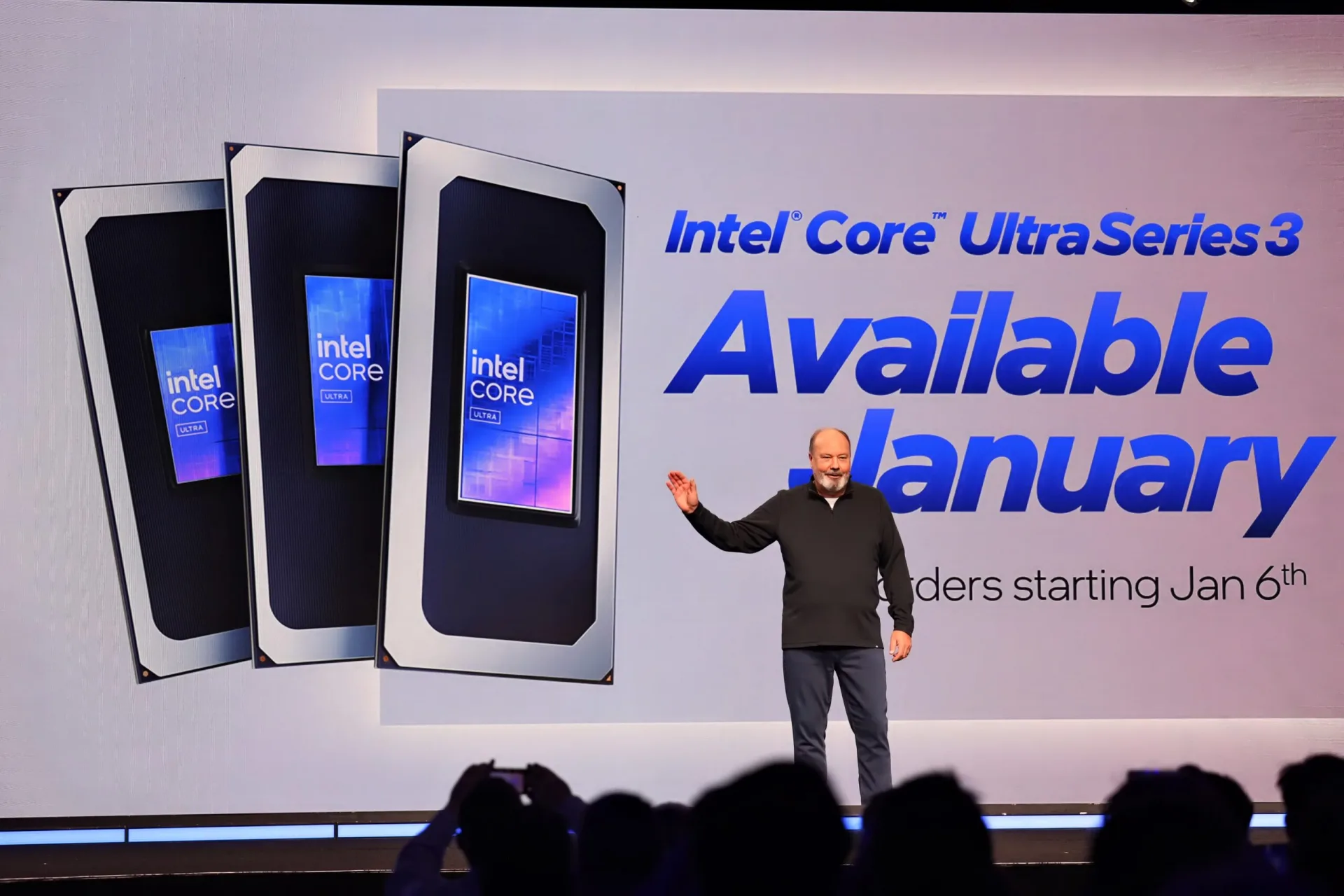
As the gaming world fixed its gaze on CES 2026, Intel arrived with what they’re billing as their biggest mobile GPU leap yet: the Panther Lake processor lineup, armed with its radically redesigned Xe3 integrated GPU. This architecture, crafted explicitly for mobile and handheld devices, isn't just a minor iteration; it’s a bold declaration intended to push high-performance gaming into ultra-thin laptops and portable consoles. While the ambition is clear, we’re keen to scrutinize if these claims hold up to the demands of today’s discerning gamers.
Integrated Graphics: From Afterthought to Front and Center
Intel's journey in integrated graphics has been a long one, often characterized by products that served basic display needs rather than serious gaming. Historically, Intel's integrated graphics solutions like Extreme Graphics and GMA were not considered viable for demanding 3D games. However, this narrative began to shift with HD Graphics and later Iris variants, representing a "big investment" in upgrading their graphics IP.
The Lunar Lake generation, with its Xe2 architecture, already marked a noticeable improvement, delivering up to a 25% increase in frame rates in some titles and genuinely bringing "real gaming" to thin and light laptops. Now, Panther Lake, set to debut at CES 2026, represents an even more decisive shift. For the first time, Intel is unequivocally prioritizing dedicated optimizations for handheld and thin-and-light devices, moving beyond traditional laptop-centric designs. The highlight is the Xe3 architecture, which Intel states is its largest integrated GPU to date—surpassing even the popular Lunar Lake generation. Built on TSMC’s advanced N3E process node, this silicon appears to rethink the role of integrated graphics in portable systems. Their goal: to diminish the reliance on discrete graphics cards in devices where space and battery life are non-negotiable.
For us, the shift is welcome. The benefits of integrated graphics are undeniable for portability and cost, but the performance limitations have always been the sticking point. If Intel can truly deliver on this promise, it could democratize capable gaming experiences across a broader range of devices.
Architectural Leaps: The Engine Behind the Hype
The Xe3 architecture isn't about entirely reinventing the wheel, but rather about thoughtful and significant refinements. Each of the 12 Xe3 cores now features 256KB of L1 cache, representing a 33% increase over the previous Xe2 architecture. This should translate to faster data access during demanding gaming sessions. We also see a 25% boost in thread count, allowing the GPU to manage more tasks concurrently.
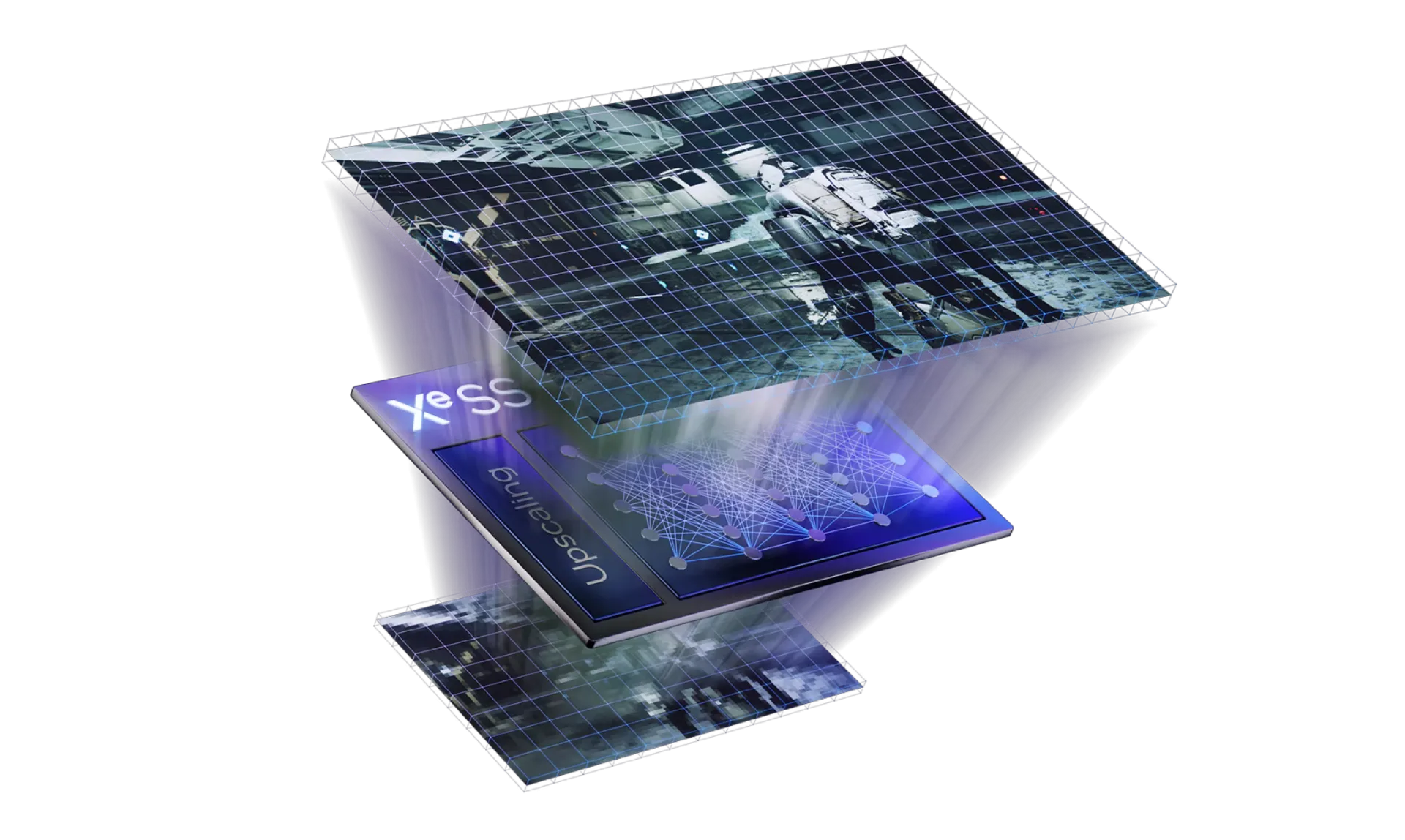
However, the real magic, as Intel describes it, lies in the interaction of these improvements. For ray tracing, Intel has introduced dynamic thread scheduling to minimize latency during complex lighting and reflections, alongside optimized context switching for render buffers to ensure smoother scene transitions. Furthermore, FP8 dequantization for AI workloads streamlines data processing for tasks like upscaling or frame generation. This promises sharper visuals and more responsive gameplay without overwhelming mobile power budgets.
We've compiled a quick overview of how Xe3 stacks up against its direct predecessor, Xe2:
Real-World Gaming: Impressive, But With Caveats
Numbers are one thing, but actual gameplay is another. Intel's internal testing with a 45W engineering sample of Panther Lake’s Xe3 delivered some solid results in Painkiller Reboot, a game known for pushing hardware. At native 1080p resolution, it consistently hit 45–50 FPS, which we consider a perfectly playable baseline for a portable device.
However, the truly eye-catching claim is where Xe3 utilizes advanced techniques like upscaling and multi-frame generation, with frame rates reportedly soaring past 200 FPS. While this sounds phenomenal for fluid gameplay, we must approach such high numbers with a healthy dose of skepticism. Frame generation, while boosting perceived FPS, can introduce artifacts and, more critically, increase input latency, which Intel has stopped short of detailing for their XeSS 3 implementation. It's a trade-off that gamers, particularly those playing competitive titles, need to be aware of. Still, by harnessing AI-driven enhancements, Xe3 aims to ensure gamers don’t have to compromise between visual fidelity and playability in portable setups.
For context, Intel is reportedly claiming the Arc B390, a 12 Xe core Xe3 variant, is comparable to a mobile Nvidia RTX 4050 in graphics performance. This is a bold statement, and if independent benchmarks confirm it, then Intel has indeed made significant strides.
Power Efficiency: The Crucial Balancing Act
For mobile devices, power efficiency isn’t merely a perk; it’s fundamental to the user experience. Panther Lake’s Xe3 architecture aims to achieve this balance. Intel states that the same 45W test unit delivered higher performance than Lunar Lake while operating within Lunar Lake’s power envelope, or maintained comparable performance levels while consuming significantly less power.
This flexibility is paramount for manufacturers designing thin-and-light laptops or handheld PCs. The vision of a sleek ultrabook offering console-quality gaming without sacrificing all-day battery life, or a handheld device lasting longer between charges while running modern games smoothly, is genuinely appealing. Early reports from CES 2026 suggest Panther Lake's 18A process technology makes it "very power efficient," allowing it to run at lower TDPs compared to previous generations, which often needed 30W just for basic gameplay. However, some comparative benchmarks indicate that while Xe3 (12 Xe core) might offer a performance advantage over AMD's Radeon 890M, it also consumes proportionally more power, leading to a rather even performance-per-watt ratio in some tests.
Integrated-Only, But With Future Potential
Xe3 is strictly for integrated graphics within Panther Lake processors. Unlike Intel’s standalone "Celestial" discrete GPUs—which operate on separate roadmaps—Xe3 itself won’t appear in discrete cards. However, Intel has indicated that "Xe3P" variants may influence future discrete architectures. For now, Xe3’s focus remains singular: proving integrated GPUs can deliver high-performance gaming without the bulk or power demands of discrete hardware.
This integrated-only strategy is a smart move, concentrating resources on where the immediate market need and potential impact are greatest. It also means less internal competition and a clearer message for consumers seeking highly portable gaming solutions.
Redefining Portable Gaming's Future: Our Take
Panther Lake’s Xe3 architecture isn't just about raw frame rates; it's about fundamentally altering expectations for portable gaming. As thin-and-light laptops and handheld PCs continue to gain traction, the demand for capable integrated graphics will only intensify. Intel, with Xe3, is laying foundational groundwork for a future where portability no longer necessitates a severe compromise on performance.
The enthusiasm from CES 2026 for Panther Lake was palpable among some in the community, with reports suggesting it was "the most interesting thing" at the show, offering "70% iGPU uplift" and impressive battery life claims. Digital Foundry also noted that Panther Lake "eclipsed all expectations" for integrated graphics.
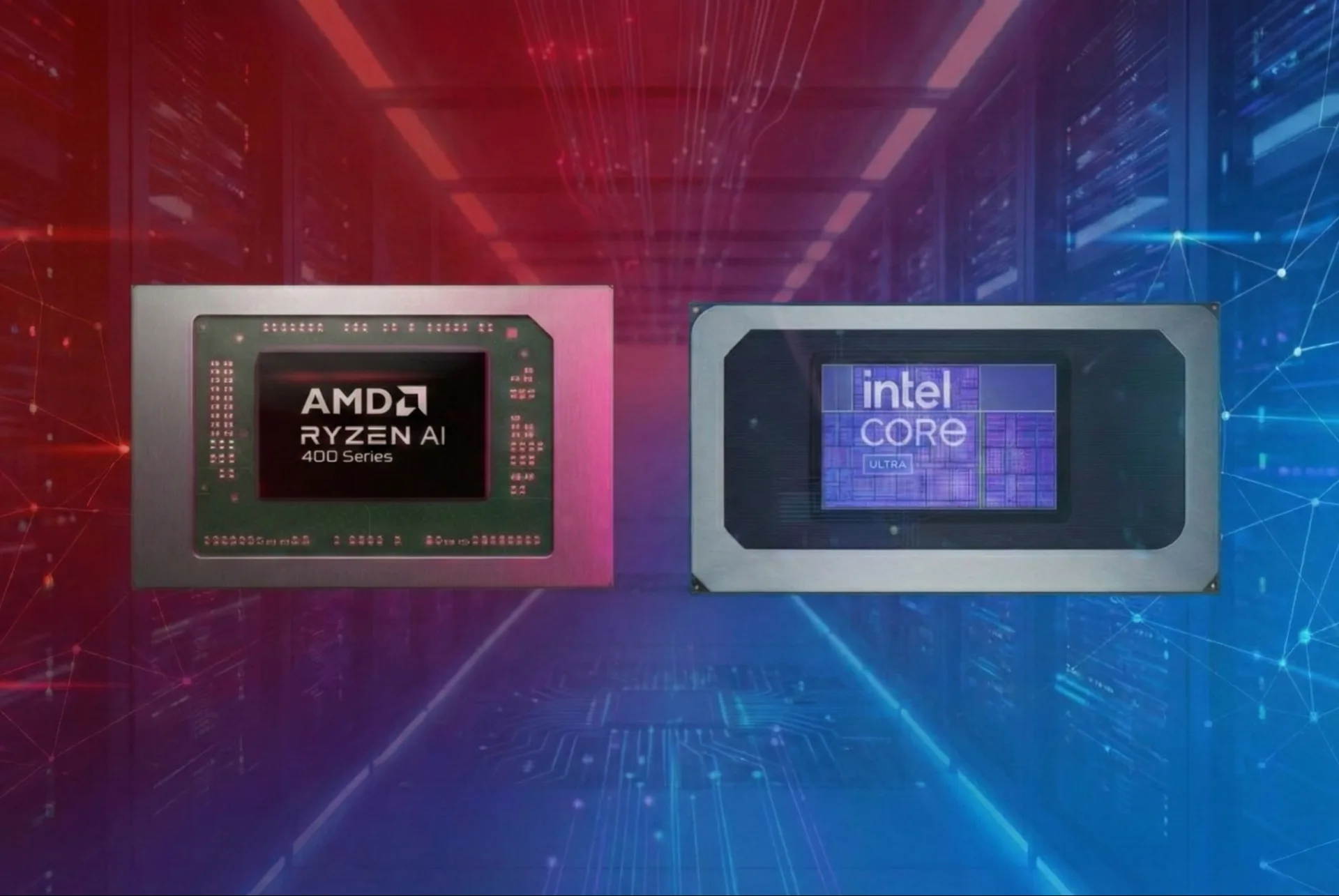
We've witnessed Intel's integrated graphics come a long way from their humble beginnings, which were largely unsuitable for 3D gaming. The progression through Lunar Lake to Panther Lake represents a significant pivot, putting integrated solutions front and center. Intel's aggressive performance claims against AMD's current integrated offerings are particularly noteworthy. For instance, Intel claims its Arc B390 (a Xe3 variant) can be 73% faster than AMD's Ryzen AI HX 370 in some scenarios, a level of dominance that would indeed be a "significant victory". While some of these comparisons rely on upscaling and favorable power envelopes for Intel, it still suggests a compelling competitive turnaround.
The real win here is the balance: a GPU that delivers playable frame rates in demanding titles, scales intelligently with AI enhancements like XeSS 3, and does it all while respecting the stringent power and thermal constraints of mobile devices. At CES 2026, Intel clearly put its money where its mouth is, and while independent reviews will provide the ultimate verdict, one thing is certain: the era of integrated graphics being an afterthought in gaming is over. Panther Lake and Xe3 are here to prove that the future of gaming mobility is brighter—and more powerful—than ever.





Comments