
Ubisoft’s decision to end game development at Red Storm Entertainment on March 19, 2026, marks the conclusion of the Cary, North Carolina studio’s thirty-year run as a primary developer. While the studio is not closing entirely—it is transitioning into a support role for IT, customer relations, and Snowdrop engine maintenance—the shift resulted in 105 layoffs and left a massive slate of projects in limbo.
Reports from Insider Gaming on March 23, 2026, suggest Red Storm was involved in at least 10 different projects at the time of the transition. For a studio of its size, this indicates a heavy reliance on co-development and support roles rather than leading a dozen AAA titles. The list includes some of Ubisoft’s most anticipated sequels and several unannounced prototypes that appear to be in flux.
Red Storm's Reported Pipeline
The following games were reportedly on Red Storm’s plate, ranging from seasonal maintenance to full-scale production support.
The distinction between "games" and "projects" is important here. In a AAA environment, a project can mean anything from a full game to a specific piece of DLC or an engine-level optimization task. It is unclear how many of these 10 projects Red Storm was actually leading. Given that their last published title was Assassin's Creed Nexus VR and their lead project, The Division Heartland, was canceled in 2024, the studio had likely become a specialized support hub well before this official transition.
The Decline of a Tactical Pioneer
Red Storm is deeply woven into Ubisoft's DNA. Founded in 1996 by Tom Clancy, Doug Littlejohns, and Virtus Corporation, the studio created the original Ghost Recon and Rainbow Six games—franchises that eventually became the pillars of Ubisoft’s portfolio.
The shift away from active game development follows a difficult period for the studio’s lead projects. Splinter Cell VR was canceled in 2022, and The Division Heartland was scrapped in May 2024 despite public testing. More recently, the studio contributed to XDefiant, which Ubisoft shut down shortly after a difficult launch.
This move away from lead development reflects a harsh financial reality. Ubisoft reported an expected operating loss of approximately €1 billion for the financial year ending March 2026. This loss followed a €650 million write-down linked to a major reorganization in January 2026, which saw six games canceled, seven game delays, two studio closures, and the company divided into five creative houses.
Centralizing the Snowdrop Engine
While 105 employees were let go, the remaining staff at Red Storm are now focused on Snowdrop engine support. This represents a major technical responsibility. Snowdrop is the backbone for The Division series and the upcoming Splinter Cell remake at Ubisoft Toronto.
By moving Red Storm into a dedicated support role, Ubisoft may be trying to centralize its technical expertise. Massive Entertainment remains the primary steward of Snowdrop, but having a dedicated US-based team for engine support and IT could be an attempt to streamline the production of The Division 3 and Splinter Cell.
For players, this transition is a trade-off. It suggests a more focused approach to Ubisoft’s core tech, but it also means the original architects of Ghost Recon and Rainbow Six are no longer at the helm of their own creations.
A Reshaped Tom Clancy Legacy
The status of the reported projects remains speculative, as Ubisoft has not clarified which games were affected by the Red Storm transition.
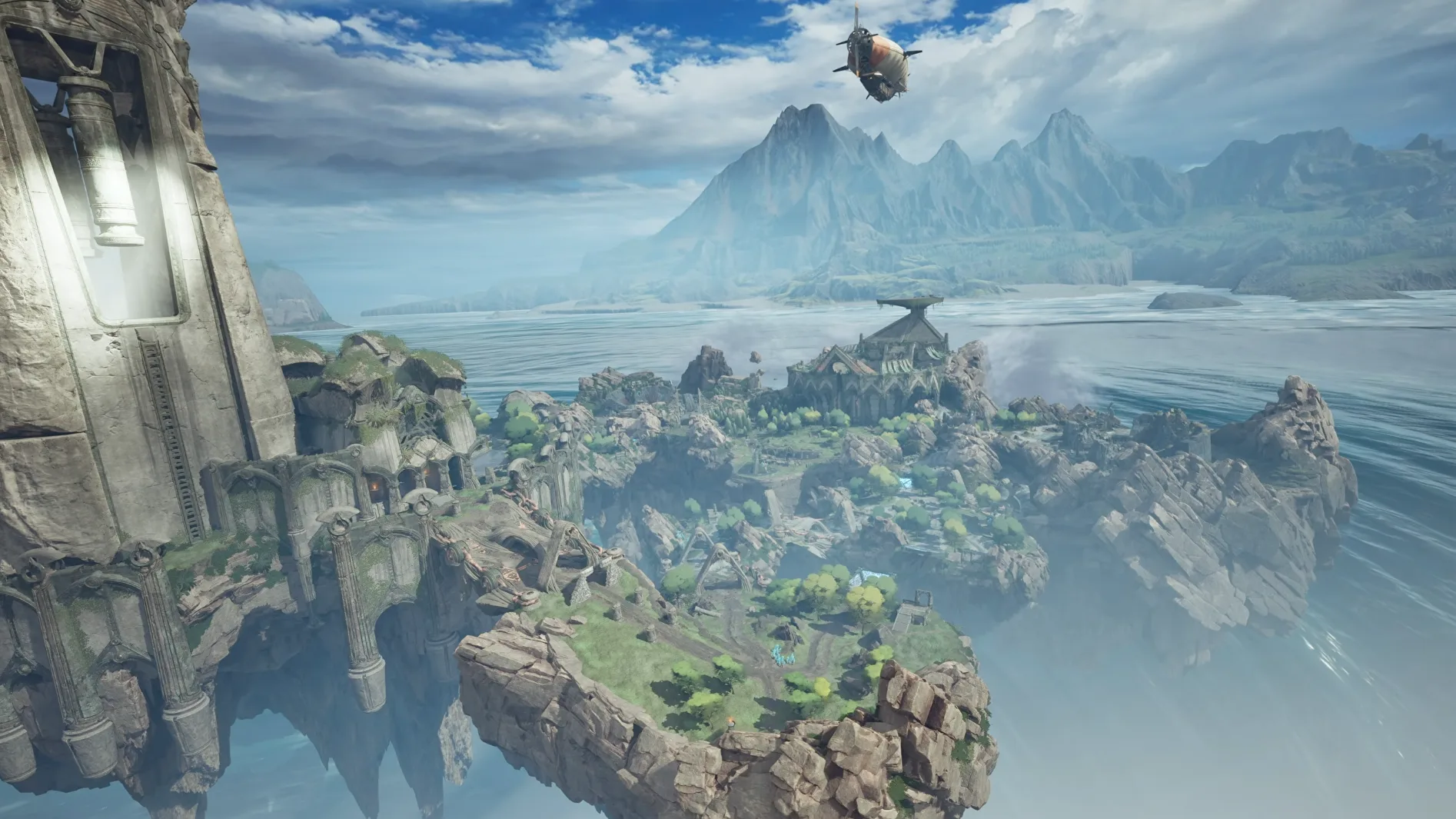
- Beyond Good & Evil 2: Ubisoft stated in June 2024 that the game was still in development. If Red Storm was providing assets or engine support, that work will likely need to be absorbed by another studio in Creative House 4.
- The Division 3: Because Massive Entertainment leads this franchise, the impact may be minimal, provided the Snowdrop support team at Red Storm remains functional through the transition.
- The XCOM-style Game: This is the most vulnerable project. If Red Storm was the primary driver of this turn-based tactics title, the transition to a support-only role likely means the project has been shelved or moved to a different creative house.
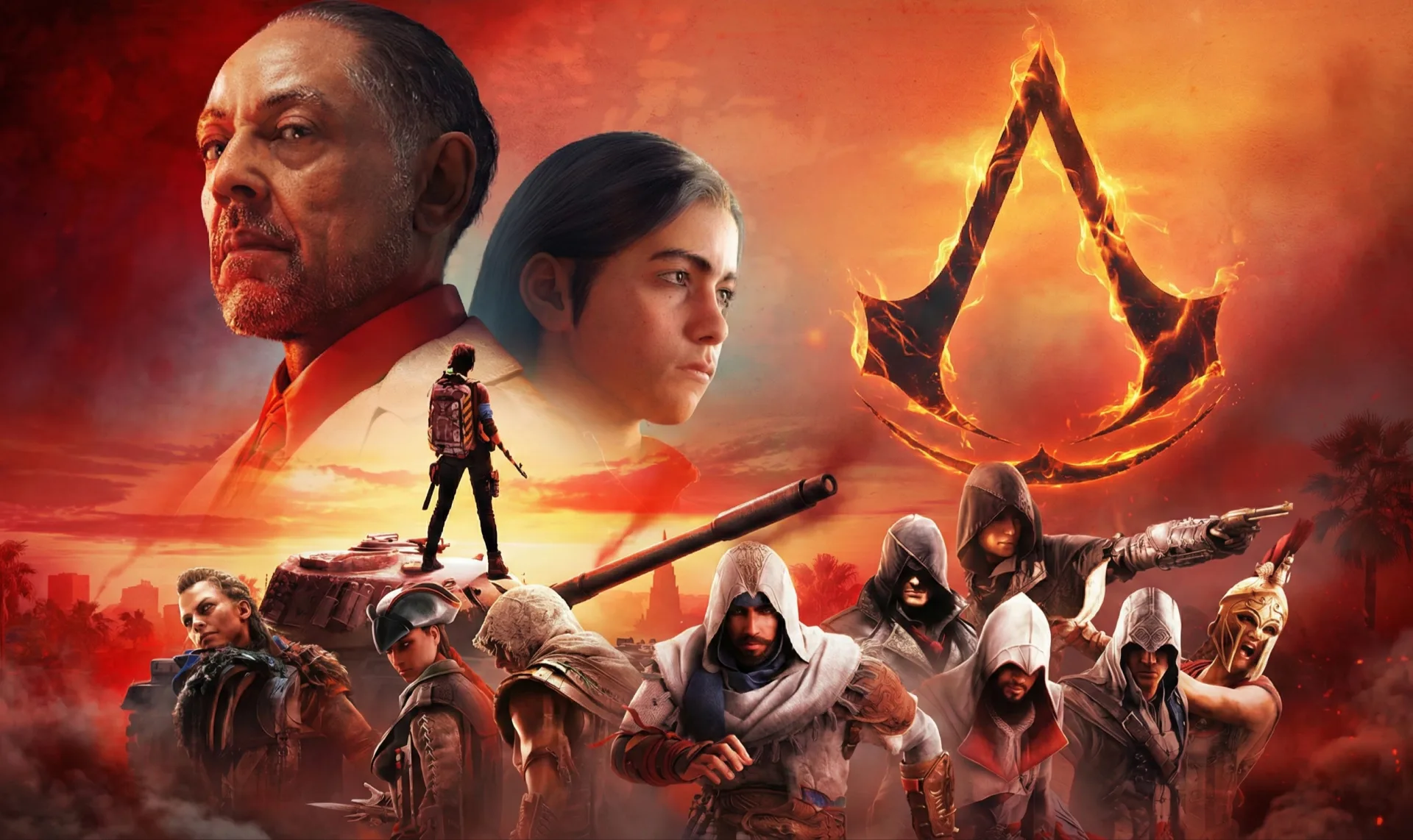
For fans of the Tom Clancy brands, the practical takeaway is a shift in expectations. The franchises Red Storm built are now being managed under a new structure—specifically Creative House 2 for Ghost Recon, Splinter Cell, and The Division, and Vantage Studios (a Tencent-partnered subsidiary) for Rainbow Six.
The full extent of the "10 projects" likely won't be known until Ubisoft's next round of financial briefings or seasonal roadmaps. For now, the move signals that Ubisoft is prioritizing its high-performing live services, like Rainbow Six Siege, while attempting to manage the technical debt of its internal engines.




Comments