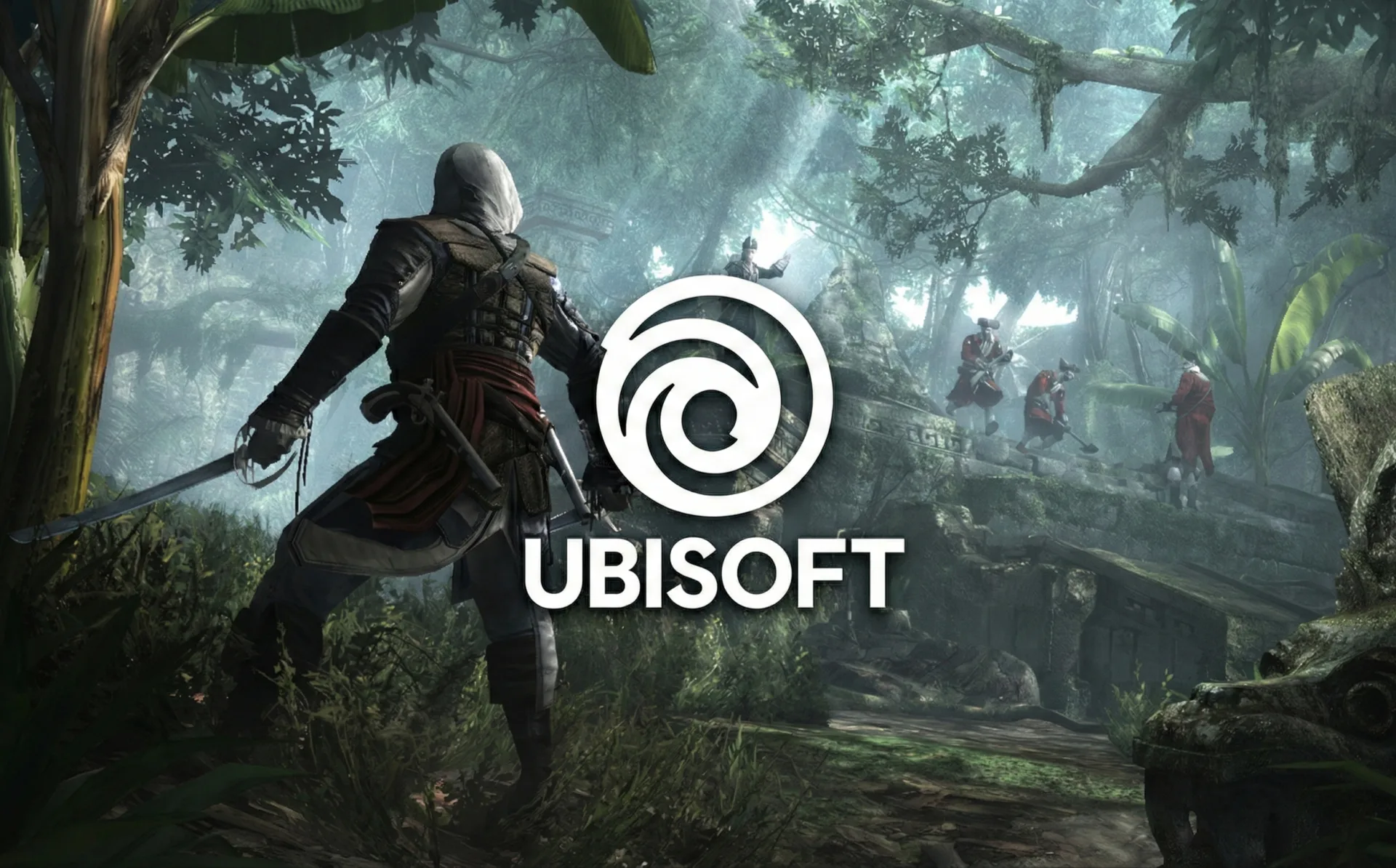
Ubisoft is once again enacting what it calls a "major organizational, operational, and portfolio reset," a move that sees six games unceremoniously canceled, including the highly anticipated Prince of Persia: The Sands of Time Remake. Adding to the grim news, seven other titles face delays, most notably the widely reported, albeit unannounced, Assassin's Creed IV: Black Flag Remake, now pushed back to Fiscal Year 2027 from its original FY26 target.
These sweeping changes arrive hand-in-hand with further layoffs and the closure of two development studios, Ubisoft Halifax and Ubisoft Stockholm. The publisher's stated goal is a significant reduction in fixed costs and a sharper strategic focus, but from our perspective, these actions paint a clear picture of a company grappling with consistent financial pressures and a scattered development strategy. Ubisoft has been shedding jobs since 2022, with approximately 676 employees laid off between November 2023 and January 2025 alone, and its headcount decreasing from 20,279 in 2022 to 17,782 by March 2025. This latest round of layoffs further underscores a recurring pattern of cost-cutting measures.
The Axe Falls: Prince of Persia and the Lingering Question of Quality
Among the six titles sent to the chopping block, the Prince of Persia: The Sands of Time Remake stands out. Its cancellation, alongside four other unannounced projects (three new IPs and one mobile title), is attributed to these games not meeting "new enhanced quality as well as more selective portfolio prioritization criteria at Group level." This statement, while corporate-speak, raises an eyebrow. Was the quality truly not there, or did the protracted development cycle simply become too costly to justify in a leaner portfolio?
The Prince of Persia: The Sands of Time Remake has had a notoriously troubled journey since its September 2020 announcement, initially aiming for a 2021 launch. Development shifted from Ubisoft Pune and Mumbai to Ubisoft Montréal in May 2022, and it was re-announced with a 2026 window before its ultimate demise. The original creator, Jordan Mechner, expressed deep sympathy for the development team, noting that having a project killed is a "brutal experience," especially for younger developers who can no longer showcase years of work. The community reaction has been one of profound disappointment, with many fans having gone through "all five stages of grief" since the news broke. Some have even speculated that community criticism regarding early art direction, coupled with a general distrust of Ubisoft's business practices, may have contributed to its downfall, though Ubisoft officially cited quality and investment concerns.
On the delay front, seven games have been pushed back. While Ubisoft remains tight-lipped, the Assassin's Creed IV: Black Flag Remake is widely believed to be among them, reportedly shifting from a March 2026 release to Fiscal Year 2027. This remake of the critically acclaimed 2013 title, beloved for its swashbuckling Caribbean setting, has been rumored since 2023. Ubisoft claims these delayed games are receiving "additional development time to ensure enhanced quality benchmarks are fully met and maximize long-term value creation." We've heard this refrain before, and while quality is paramount, the continuous delays for major titles can erode consumer confidence and often signal deeper issues in project management or scope creep.
Restructuring for Survival: A Shift to Creative Houses and the Return-to-Office Mandate
Ubisoft's "major organizational, operational, and portfolio reset" involves more than just game cancellations. The company confirmed further layoffs and the closure of Ubisoft Halifax on January 7, 2026, and Ubisoft Stockholm. Additionally, Ubisoft RedLynx, Ubisoft Abu Dhabi, and Massive Entertainment have experienced restructurings or layoffs. For instance, Massive Entertainment is reportedly being reduced to 55 people. In January 2025, Ubisoft also closed its UK-based Ubisoft Leamington studio and downsized offices in Düsseldorf and Newcastle, impacting 185 employees. This follows a trend of significant workforce reductions across the gaming industry since 2022, which saw an estimated 45,000 jobs lost by July 2025.
The publisher is reorganizing into a new operating model with five "Creative Houses," slated to begin operations in early April 2026. This model champions a focus on "Open World Adventures" and "GaaS-native experiences" (Games as a Service). The increased emphasis on GaaS is a familiar, and often contentious, strategy within the industry. While GaaS can provide long-term engagement and revenue, it also risks player fatigue if not executed with genuine innovation and respect for player value, a criticism often leveled at Ubisoft's past monetization practices.
Furthermore, Ubisoft plans accelerated investments in player-facing Generative AI. While Generative AI holds promise for streamlining development and creating diverse in-game assets, characters, and dialogues, we remain cautiously optimistic. There are legitimate concerns about its impact on originality, creativity, and potential for job displacement, not to mention copyright and ethical considerations. Will this investment truly foster innovation, or is it another avenue for cost-cutting disguised as progress?
Perhaps the most controversial announcement is the mandate for all staff to return to the office full-time to "boost the collective performance for AAA" titles. This stands in stark contrast to many industry trends favoring hybrid or remote work models and has already sparked significant internal backlash. A lead level designer at Ubisoft was reportedly terminated shortly after publicly criticizing the five-day return-to-office policy on LinkedIn, raising questions about employee morale and freedom of expression within the company. Given the documented benefits of remote work for some developers and the potential for a return-to-office mandate to be perceived as a means of "quiet firing," we think this move could further alienate talent.
The New Guard: Ubisoft's Creative House Structure
Ubisoft's new Creative Houses aim to streamline development and focus on what they perceive as core strengths. Here's how the new structure breaks down:
The move to a Tencent-backed subsidiary overseeing flagship franchises like Assassin's Creed, Far Cry, and Rainbow Six is particularly noteworthy. Tencent invested $1.3 billion in Ubisoft in March 2025, and there have been reports of Tencent potentially seeking a majority stake in Ubisoft while allowing the Guillemot family to retain control. This structure might bring a renewed focus to these tentpole series, but it also raises questions about creative independence and the potential for increased monetization pressures given Tencent's history.
Financial Tightening: A Path to Stability or a Sign of Distress?
Ubisoft is aiming for significant fixed cost savings. The company expects to achieve at least €100 million in fixed cost savings versus FY2024-25 by March 2026. This builds on an initial cost reduction program that aimed for a €200 million reduction in the fixed cost base by FY2025-26 compared to FY2022-23, which was achieved ahead of schedule. Ubisoft now targets an additional €200 million reduction over the next two years, projecting a cumulative fixed cost reduction of approximately €500 million since FY2022-23. The goal is to bring fixed costs to €1.25 billion by March 2028, down from €1.75 billion in FY2022-23.
While ambitious, these targets are a necessary response to recent financial struggles. For example, in FY2024-25, Ubisoft reported €1.846 billion in net bookings, a 20.5% decrease from €2.321 billion in FY2023-24. Their non-IFRS operating income for FY2024-25 was a loss of €15.1 million, a stark contrast to the €401.4 million operating income in FY2023-24. These cost reductions, therefore, appear less as a strategic advantage and more as a critical effort to stabilize the company's financial footing after a period of underperforming sales and declining revenues.
The Road Ahead: Remaining Projects and Lingering Doubts
Despite the extensive cancellations and delays, several projects remain in development. These include four new IPs, one of which is the MOBA title March of Giants, acquired last month from Amazon Games.
Other confirmed titles with planned release windows or confirmed in development include:
- Rainbow Six Mobile (Confirmed release date: February 23, 2026)
- The Division Resurgence (Planned release year: 2026)
- Heroes of Might and Magic: Olden Era (Planned release year: 2026)
- Might and Magic Fates (Planned release year: 2026)
- Beyond Good & Evil 2, a game originally teased in 2008 and re-revealed in 2017, continues its notoriously long development under the "Immersive fantasy worlds and narrative-driven universes" creative house. Its development has spanned over 15 years, breaking the record for the longest development period for a AAA video game, and it was reportedly still in pre-production as of February 2022. The original creative director departed, and a new one was appointed in October 2024. The sheer longevity of this project, coupled with its consistent "in development" status, leads us to approach its continued existence with a healthy dose of skepticism.
Ultimately, Ubisoft's "reset" feels less like a bold new direction and more like a desperate attempt to right a listing ship. While focusing on core franchises and cost efficiencies is prudent, the aggressive layoffs, studio closures, the contentious return-to-office mandate, and the continued reliance on GaaS models suggest a company prioritizing immediate financial recovery over long-term creative health and employee satisfaction. Whether these drastic measures will lead to the "enhanced quality" and "long-term value creation" Ubisoft promises, or merely consolidate its position as a publisher struggling to innovate beyond its well-worn formulas, remains to be seen.







Comments