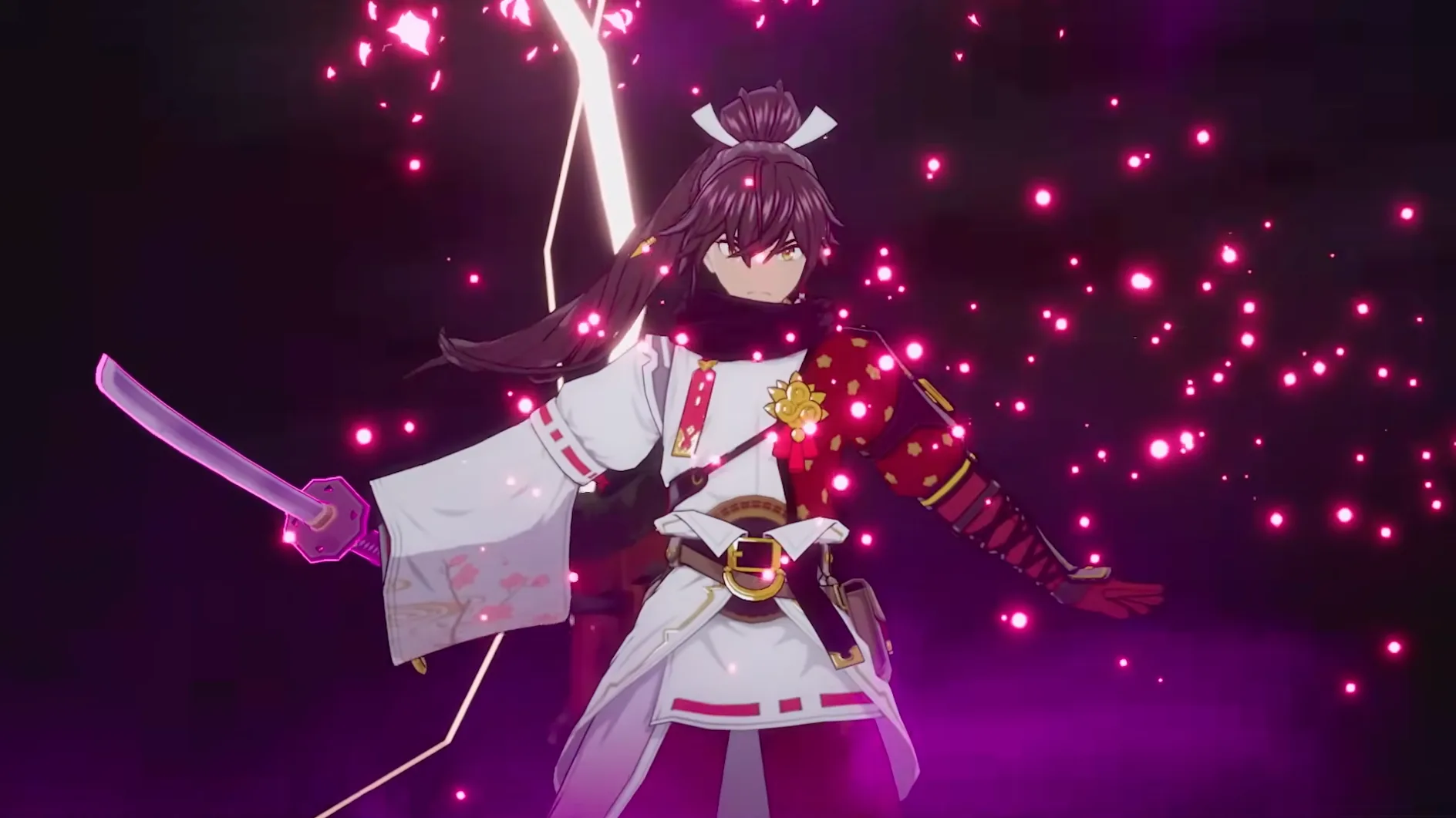
Marvelous's latest entry, Rune Factory: Guardians of Azuma, charts a new course for the beloved action-RPG and life-simulation franchise, taking players to the previously unseen eastern lands of Azuma. Launched for PlayStation 5 and Xbox Series X|S on February 13, 2026, following its initial release on Nintendo Switch, Nintendo Switch 2, and PC last June, Guardians of Azuma delivers a reimagined experience. But in its ambitious shift, we question if it retains the core charm that has endeared the series to fans for years.
We went hands-on to see if this new take delivers a refreshing experience or if it loses its way in the vast, blighted lands of Azuma.
Azuma's Faded Glory: A Setting With Potential
Guardians of Azuma sets itself apart immediately with its Eastern cultural theme, a fresh departure from the more traditional European fantasy of previous Rune Factory titles. Players step into the role of an Earth Dancer, either Subaru or Kaguya, childhood friends struck with amnesia, tasked with restoring hope to a land ravaged by the "Celestial Collapse"—a calamity that banished gods and runes, leaving a pervasive blight. This new narrative framework and setting are intriguing, offering a visually distinct world across four static, seasonal-themed villages. The idea of year-round crop growth in specific locales, such as always-winter farming in Winter Village, adds a unique strategic layer to crop management.
However, the depth of this intriguing premise feels somewhat underutilized. While the world is visually striking, some users have found the overarching story to be "weak at best" or "very middling," failing to fully capitalize on its potential. This is a missed opportunity, as a stronger narrative could have solidly cemented Azuma's place in the Rune Factory canon.
The Farm, Reimagined: More ARPG, Less Life-Sim?
Perhaps the most divisive change in Guardians of Azuma concerns its farming and crafting mechanics. Traditionally, Rune Factory games balance strong combat with deep farming simulations. Here, the farming elements are "massively streamlined," and some players have even described them as "lacking any real farming," noting the absence of a shipping log. The game leans more heavily into its action-RPG elements and a new "Village Building" feature, which allows players to construct and rearrange structures in all four towns.
This shift makes Guardians of Azuma feel "more of an ARPG with town building/management rather than a traditional Rune Factory farming experience." While villagers can assist with farming, mining, and woodcutting, this doesn't always alleviate the concerns of players. The argument here is that while the streamlining might appeal to newcomers or those less interested in the farming grind, it risks alienating long-time fans who cherished the intricate systems of past titles like Rune Factory 4 Special. We believe a core Rune Factory experience needs more than just a passing nod to its namesake.
Combat and Community: Where It Shines
On the combat front, Guardians of Azuma introduces new elements that revitalize the action. Players wield "Earth Dancer" powers, utilizing "Dances" like Sacred Drum for crop growth and healing, or Sacred Sword for harvesting high-quality seeds and damaging foes. New weapon types, including Bows for pinpoint accuracy and Talismans that home in on distant enemies, expand tactical options. The party system, allowing up to six characters (three active, three in reserve), adds strategic depth to encounters.
The social simulation aspects, a hallmark of the series, remain strong. With 16 bachelors and bachelorettes, including both mortals and gods, there's ample opportunity for romance and marriage. Relationships deepen through gifts, side quests, daily interactions, and the Sacred Drum Dance of Bonds, culminating in the ability to have children. Players can also change the story to date and marry multiple characters across alternative timelines, with progress retained for up to 30 alternatives. This new feature offers an exceptional level of freedom for players to explore all romantic paths without sacrificing their main save.
Presentation and Performance
Visually, the game presents a bold new art direction, though some users noted a "jarringly different" capsule art style compared to the actual gameplay art. The Nintendo Switch 2 version offers higher resolution, improved frame rates, and Joy-Con 2 mouse controls for village building. The game’s expansion to PlayStation 5 and Xbox Series X|S includes a 10% launch discount for PlayStation Plus subscribers and Xbox Store customers. The game hit a company sales milestone of 500,000 units sold by its PS5 and Xbox launch, suggesting a strong reception despite some of the internal critiques.
Verdict: Azuma's New Path
Rune Factory: Guardians of Azuma is an ambitious title that attempts to reinvent a beloved formula. Its Eastern setting, innovative Village Building, and dynamic combat are clear strengths, offering a fresh experience within the franchise. The freedom to explore multiple romantic timelines is a particularly welcome innovation.
However, the critical reception points to a game that, in its attempt to be many things, ends up a "jack of all trades, master of none." For us, the "massively streamlined" farming and crafting elements are a considerable drawback, stripping away some of the core identity that makes Rune Factory unique. The depth many fans expect from the farming sim aspect feels diminished.
If you're looking for an action-RPG with strong relationship building and an engaging new world to explore, Guardians of Azuma offers plenty to enjoy. The free "Sakuna DLC," adding Sakuna from Sakuna: Of Rice and Ruin as a unique villager and rice farming expert, is a charming bonus. Conversely, if your love for Rune Factory is rooted in its intricate farming mechanics and satisfying progression loops, this new direction might leave you yearning for the fields of yesteryear. It's a fun experience, but one that perhaps sacrifices too much of its heritage in pursuit of a new identity.





Comments