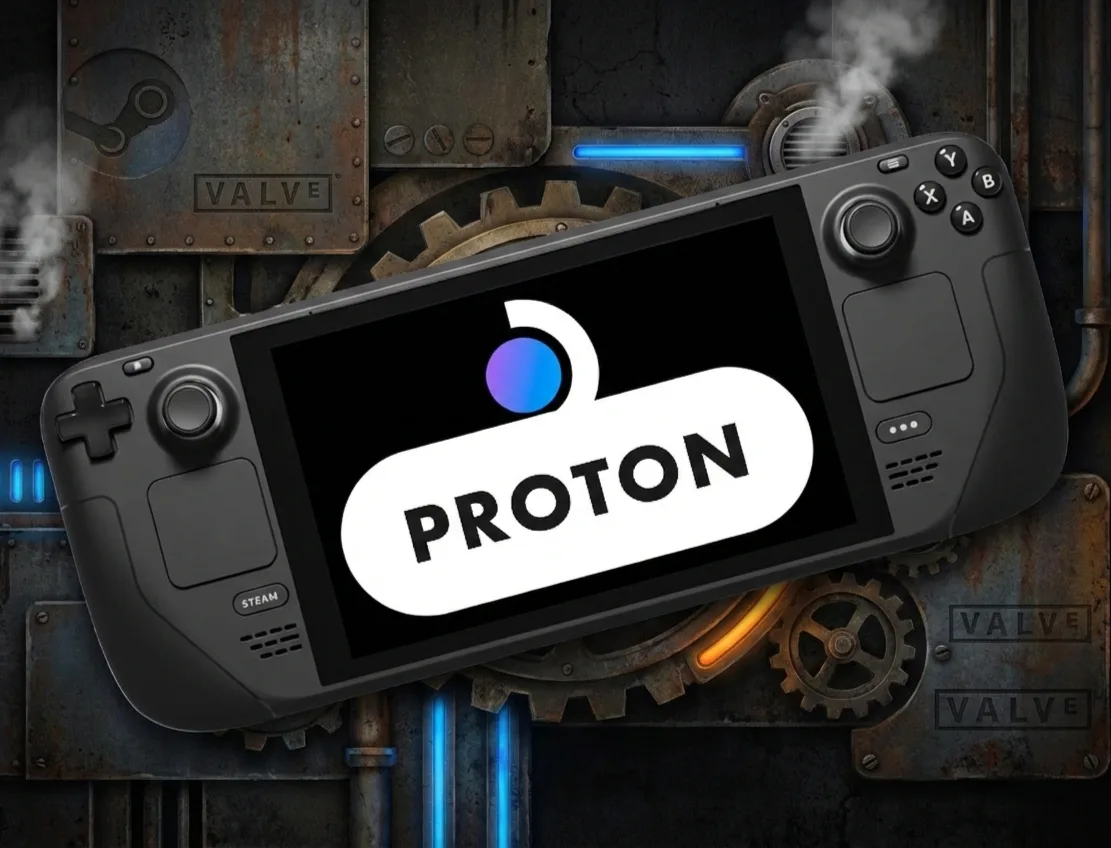
For years, the dream of playing top-tier Windows games on Linux was largely just that: a dream confined to a niche community. Compatibility issues, performance penalties, and a general lack of developer interest made it a daunting proposition. But then came Proton. Valve's open-source compatibility layer has, in just over seven years since its initial release, not only made Linux gaming viable but has transformed it into a genuine contender. As we stand in early 2026, Proton is undeniably a strategic linchpin for Valve's ecosystem and a showcase of what open-source collaboration can achieve, even if significant hurdles remain.
Proton Unpacked: Valve's Engine for Linux Gaming
At its core, Proton is a compatibility layer developed by Valve in cooperation with CodeWeavers, a heavily patched and enhanced version of Wine. Its primary function, as we see it, is to enable Windows software—predominantly video games—to run natively on Linux-based operating systems. This isn't merely about functionality; it's about accessibility.
Initially released on August 21, 2018, Proton immediately garnered attention by allowing 27 certified games to run on Linux without requiring any user tweaking. Today, its growth has been exponential, culminating in stable release 10.0-3 landing on November 13, 2025. Integrated directly into the Steam client as 'Steam Play,' Proton is designed for complete beginners, typically requiring no configuration beyond enabling a couple of checkboxes in Steam settings. We believe this ease of use is crucial to its broader adoption and success.
Proton's prowess stems from its specialized components, each playing a vital role in translating Windows game code for Linux:
- DXVK: This component is a workhorse, translating Direct3D 8, 9, 10, and 11 calls to Vulkan, a modern graphics API. Its significance cannot be overstated, as it provides the backbone for rendering a vast majority of DirectX-based games. (D9VK, which handled Direct3D 9, was merged into DXVK in December 2019, streamlining its capabilities.)
- VKD3D-Proton: A similar, equally critical translation layer, specifically tailored for Direct3D 12 to Vulkan. As newer games increasingly adopt DX12, VKD3D-Proton ensures they don't get left behind on Linux.
- esync and fshack: These are the unsung heroes of performance. They are performance-enhancing technologies that improve game responsiveness and compatibility, often making the difference between a playable experience and a frustrating one.
This sophisticated toolkit allows Proton to offer generally better compatibility and often superior performance compared to upstream Wine, thanks to Valve's specific patches and additions. It's a clear example of targeted development yielding impressive results.
Linux Gaming's Ascendance: Beyond Playable, Towards Dominance?
Proton's impact on Linux gaming is difficult to exaggerate. By August 21, 2025, ProtonDB, the unofficial community website that crowdsources compatibility data, reported at least 15,855 games rated as playable or better. Valve's own Deck Verified system, tailored for SteamOS and the Steam Deck, showed an even more impressive 21,694 games rated at least playable by the same date. These numbers signify access to tens of thousands of games on Linux, allowing users to play without needing Windows for the most part.
While these figures are impressive, we should critically examine what "playable or better" truly means. The ProtonDB rating system, while invaluable, can sometimes be an oversimplification, with a "bronze" rating potentially indicating a game that runs but is plagued with crashes or poor performance, hardly an ideal experience. Despite this, the sheer volume of compatible titles represents a monumental shift from the barren landscape Linux gamers once faced.
Beyond mere compatibility, Proton has surprised many with its performance. In a significant number of cases, games running via Proton can achieve similar, or even better, performance compared to Windows. This is partly due to the efficiency of Vulkan and specialized optimizations like ACO (a gaming-optimized shader compiler for AMD GPUs) and fsync (an experimental Linux kernel feature that boosts performance). Coupled with Valve's requirement for Steam Linux Runtimes (Soldier) for Proton 5.13 and above, the platform provides a stable and consistent environment. We believe this focus on performance, not just compatibility, is a key differentiator.
This surge in accessibility and performance has had a tangible effect: as of December 2025, the Linux user share on Steam reached 3.19%. While still a minority, this figure represents steady growth from historical averages that often hovered below 1%. This upward trend highlights a significant shift in PC gaming, suggesting that a growing segment of players are finding Linux a viable and appealing option.
Valve's Grand Strategy: Ecosystem Control, Not Just Charity
While Proton's benefits for Linux users are clear, Valve's commitment to Linux and open source with Proton is, in our view, self-serving and strategically brilliant. Valve is actively aiming to create its own independent ecosystem, with the Steam Deck and SteamOS serving as prime examples. This isn't charity; it's platform building.
Proton provides a consistent, reliable platform for future Valve hardware, such as a potential Steam Deck 2 or a Steam Machine TV console. By ensuring that the vast majority of PC games run on Linux, Valve decouples itself from reliance on Microsoft's Windows, offering its users a unified experience across its proprietary hardware. This strategy also benefits consumers by eliminating the need to re-purchase games for different Valve platforms, as the same Steam library becomes playable everywhere. It's an astute move that fosters loyalty and strengthens Valve's position as a hardware and software innovator, much like Apple fosters its own ecosystem, but with an open-source compatibility layer at its heart. Valve clearly learned from the shortcomings of its initial Steam Machine efforts, which lacked the crucial Proton layer for broad game compatibility.
The Unsung Heroes: How Community Fuels Proton's Fire
Proton's success isn't solely Valve's doing. The vibrant open-source community plays a crucial, often underappreciated, role. ProtonDB, with its crowdsourced ratings from 'Borked' to 'Platinum', is an invaluable resource for Linux gamers. This independent platform fills a critical gap by providing real-world compatibility reports that developers aren't officially offering for Proton-based gameplay, often offering more realistic expectations than Valve's official "Deck Verified" badges. We routinely consult ProtonDB before making purchasing decisions for Linux titles, and we encourage others to do the same.
Furthermore, third-party compatibility layers and Proton forks demonstrate the community's innovation. Proton GE (GloriousEggroll), for example, is a popular bleeding-edge version based on the latest Wine releases, often incorporating experimental features. It even enabled Fidelity FX Super Resolution (FSR) support as early as Proton GE 6.14. Other tools like Boxtron (for DOS games), Roberta (for ScummVM adventure games), and Luxtorpeda (for games with open-source alternative engines) further expand the Steam Play framework, showcasing the flexibility and power of the open-source approach. This collective effort ensures that even obscure titles and specific user needs are often addressed.
The Unconquered Frontier: Anti-Cheat and Linux's Remaining Hurdles
Despite its phenomenal success, Proton faces significant limitations, with kernel-level anti-cheat software standing as the toughest barrier. Games like Valorant, which deploy anti-cheat solutions such as Vanguard, are entirely unplayable on Linux. Similarly, many third-party services for games like Counter-Strike 2 require kernel-level anti-cheat that functions only on Windows.
This isn't a simple technical hurdle; it's a fundamental architectural challenge. The mechanism to execute comparable kernel-level anti-cheat solutions on Linux is virtually nonexistent due to the Linux kernel's distinct architecture and driver management. The GPL license and the ability for users to compile custom kernels complicate matters further, raising concerns among anti-cheat developers that malicious users could potentially create custom Linux distributions with integrated cheats, making detection exceptionally difficult. In our view, this remains the most significant obstacle to widespread Linux adoption among competitive gamers. The inconvenient reality of dual-booting between Windows for gaming and Linux for other tasks remains a compromise for many.
Other challenges also persist:
- Lack of Official Developer Support: Most game developers do not officially support titles running via Proton, leaving Linux users reliant on Valve to address compatibility issues. This often means that when a patch breaks Proton compatibility, the burden falls on Valve and the community, not the original developers.
- Older DirectX Woes: Older DirectX 3 to 8 games can also fail due to Proton's reliance on older OpenGL extensions that modern Linux drivers have dropped. This creates a strange paradox where newer, more complex games run flawlessly, but legacy titles struggle.
- Installation Inconsistencies: Even how Steam is installed can cause issues, with Flatpak installations potentially leading to mismatches between userspace drivers and the host system. Furthermore, sharing game data between multiple users on a single Linux machine, particularly for Proton titles, often requires manual workarounds due to how Proton manages prefixes and ownership, a frustration many in the community have voiced.
Conclusion: Proton's Enduring Legacy and Future Path
Proton has fundamentally reshaped Linux gaming, transforming it from an afterthought into a legitimate gaming platform. Valve's strategic vision, coupled with the relentless efforts of its developers and the vibrant open-source community, has forged a powerful bridge between the Windows gaming library and the Linux desktop. The growth in Linux's Steam user share, now nudging 3%, speaks volumes about this paradigm shift.
However, the journey is far from over. The anti-cheat dilemma looms large, representing the biggest obstacle to widespread Linux adoption among gamers. While Valve continues to refine Proton and the Linux kernel itself evolves (e.g., kernel 6.6's changes to combat GPL-only symbol misuse), a definitive solution for kernel-level anti-cheat remains elusive. We remain skeptical that a universally accepted, robust solution will emerge without a significant shift in how anti-cheat developers approach Linux.
For now, Proton stands as a remarkable piece of engineering and a strategic masterpiece for Valve. It’s a tool that has not only empowered Linux users but also carved out a unique space for Valve in the highly competitive tech industry, ensuring that the Steam Deck and future Valve hardware have a thriving software ecosystem to call home. The future of Linux gaming, with Proton leading the charge, promises continued evolution, pushing the boundaries of what's possible, one Windows game at a time.










Comments