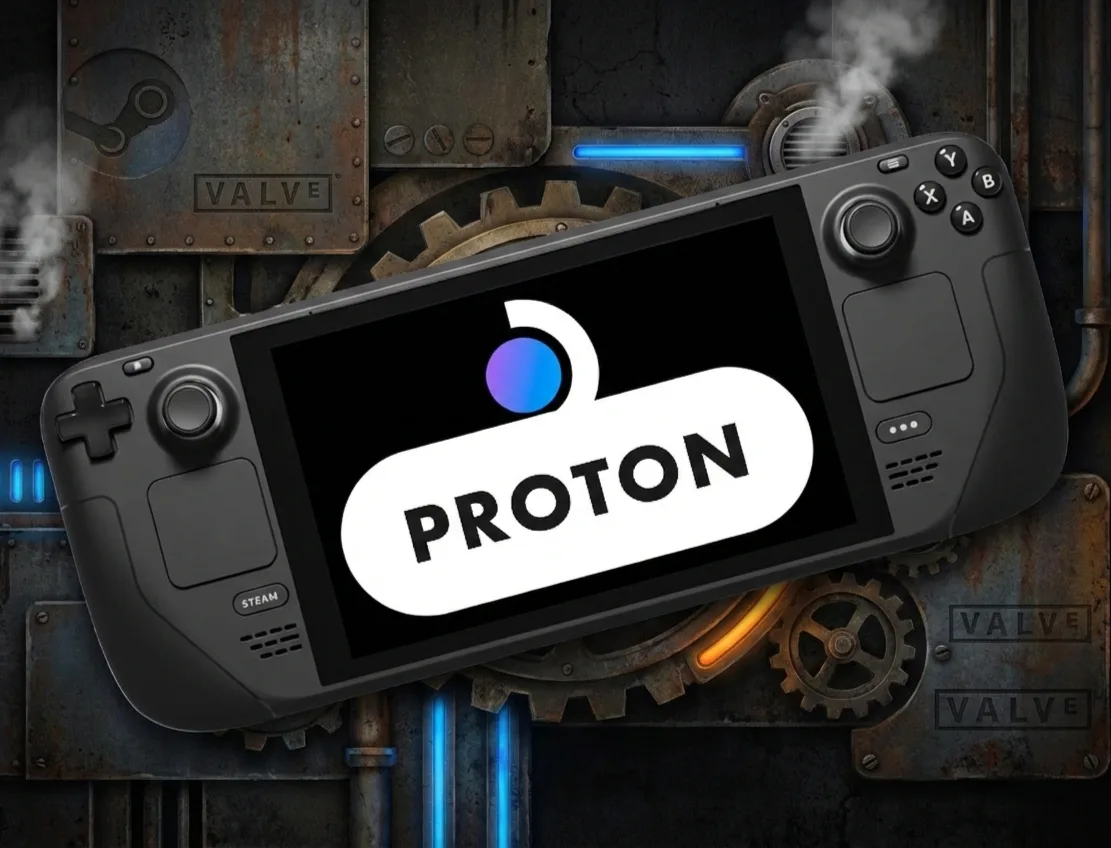
Valve has once again pushed the boundaries for Linux and SteamOS gamers, rolling out Proton 10.0-4 on January 27, 2026. This isn't just another incremental update; in our view, it's a solid affirmation of their commitment to cross-platform play, expanding the available library by a notable 19 Windows-only titles, alongside a swathe of critical fixes and performance tweaks.
Proton, the compatibility layer built on the venerable open-source Wine project, has been nothing short of transformative for Linux as a gaming platform, especially since the Steam Deck’s arrival. We've seen firsthand how it's chipped away at the perception of Linux gaming as a niche pursuit. This latest release, 10.0-4, clearly signals Valve's ongoing dedication to delivering a smoother, more expansive gaming experience across operating systems within the Steam ecosystem.
Expanding Horizons: 19 New Titles Hit Linux
The headline feature of Proton 10.0-4 for many will undoubtedly be the addition of 19 new Windows-only titles now officially playable on Linux and SteamOS. While some might dismiss this as a drop in the ocean of Windows games, we believe each new addition strengthens the platform, especially when it includes a mix of popular and niche experiences. This continuous growth is what drives adoption for new users.
From intriguing VR experiences to anticipated strategy titles, here's what's now joining the ranks:
- Surgeon Simulator: Experience Reality
- Changeling VR
- Summoners War: RUSH
- Quantum Threshold
- REACH
- Fellowship
- Metal Slug: Awakening
- The Obsessive Shadow
- Drop Dead: The Cabin
- Zero Caliber 2 Remastered
- Lost Memories 3 Side Stories
- Death by Scrolling
- Stellar Reach
- Girls' Frontline
- Modules
- Distant Worlds 2
- 懒人修仙传2
- Ring Runner: Flight of the Sages
- Chronology
Beyond New Games: Critical Stability and Performance Enhancements
While new games grab the headlines, the true workhorse updates often lie in the bug fixes and performance enhancements. Proton 10.0-4 brings a laundry list of improvements, many of which have trickled down from Proton Experimental or Hotfix branches, showing Valve’s effective testing pipeline. We appreciate this approach, as it means fixes are well-vetted before hitting the stable channel.
Here's a breakdown of the most impactful improvements:
- Game-Specific Rescues: Addressing long-standing headaches in titles such as Far Cry 5 (solving GPU driver warnings and HDR issues on OLED Steam Decks) and Age of Empires IV Anniversary Edition (another GPU driver warning fix), these targeted patches are crucial for dedicated players. We've also seen reports of Assassin's Creed Shadows becoming playable after an update, and Marvel Rivals no longer crashing in benchmarks, which will be welcome news for those struggling with these titles.
- Performance & Stability Boosts: One of the most frustrating aspects of PC gaming is waiting for titles to load, so the fix for long launch times in many Xbox Game Studios titles (including Avowed, Grounded 2, Indiana Jones and the Great Circle, and The Outer Worlds 2) is a significant win. Crashes in games like Crystal of Atlan, Ultimate Marvel vs Capcom 3, and The Finals have also been tackled, improving overall game integrity. The stuttering fix for Arc Riders on non-Nvidia GPUs also broadens the playable audience.
- Controller Refinements: Improved Sony controller support in Tekken 8 and restored haptics for DualSense controllers in most games directly enhance immersion and responsiveness — a critical factor for many modern titles. We've often found controller compatibility to be a sticking point, so these are meaningful improvements.
- Audio & Video Fidelity: Restored music in Transcendence, audio in Rocket Jockey, and video playback in titles like Okayunyumu! and AQUARIUM iron out annoying glitches. The 7.1 audio channel mapping fix in Ghost of Tsushima DIRECTOR'S CUT and Clair Obscur: Expedition 33 is a niche but important detail for audiophiles.
- UI & Localization Polish: Fixing issues with in-game browsers (Figmin XR), server/lobby listings (Men of War II), and incorrect GPU errors (Ara: History Untold) improves the overall user experience. Corrected language selection in Black Squad and font rendering fixes (e.g., Warframe, Trainatic, Secrets of Grindea) might seem minor, but they directly address accessibility and playability for non-English speakers, such as the fix for Agatha Christie: Evil Under the Sun not being playable in French.
- Desktop Environment Harmony: Tackling specific desktop environment problems, like focus and Alt-Tab behavior on KDE Wayland and GNOME, and resolving occasional empty windows when running via XWayland, demonstrates Valve's dedication to optimizing Proton for a diverse Linux user base beyond just SteamOS.
Rolling Back the Headaches: Key Regressions Quashed
It's easy to focus on new features, but addressing regressions — issues that cropped up in previous versions — is arguably just as important for maintaining a stable experience. We're pleased to see Valve not just pushing forward, but also diligently cleaning up past missteps. The restoration of video playback in King of Bones and Indivisible, along with Sackboy: A Big Adventure no longer displaying a barrage of errors on fresh prefixes, are particularly welcome fixes. We recall some community frustration over these, so their resolution is a positive sign.
Players will be glad to hear that the following issues are no longer a concern:
- Video playback is now correctly restored in King of Bones and Indivisible.
- Sackboy: A Big Adventure no longer displays a series of errors on fresh prefixes.
- GodsArena Online now registers touch/mouse input correctly.
- Lost Planet: Extreme Condition is playable again.
- Killer Instinct no longer crashes at the end of matches.
- Workshop integration in The Conquest of Go now works.
- CHRONO TRIGGER no longer flickers in fullscreen.
- Camera panning works as expected in Dungeons & Dragons Online.
- Blood Rush no longer crashes with new Proton prefixes.
Under the Hood: Critical Component Upgrades
Proton's strength lies in its continuously evolving foundation. Version 10.0-4 isn't just about surface-level changes; it benefits from significant updates to its core components, each playing a vital role in compatibility and performance. These aren't flashy, but they're the bedrock of the entire Proton experience.
- Steamworks SDK: Updated to version 1.63. This keeps Proton aligned with the latest Steam features and developer tools.
- Wine Mono: Updated to version 10.4.1. This is crucial for games that rely on the Mono framework, ensuring smoother execution.
- vkd3d-proton: Upgraded to v3.0b. This is a particularly important update, as vkd3d-proton translates Direct3D 12 API calls to Vulkan, which is vital for modern Windows games. Version 3.0b is expected to deliver noticeable improvements in performance and compatibility for DirectX 12 titles.
- vkd3d: Updated to version 1.18. This general Vulkan translation layer also contributes to overall graphics stability.
It’s worth noting that while Proton 10.0-4 builds on Wine 10, the upstream Wine project has already moved forward with Wine 11, released in early January 2026. This new Wine version reportedly brings substantial performance gains and enhanced Wayland and 64-bit ARM support. With Wine 11.1 development builds already out on January 23, 2026, we anticipate seeing these advancements integrated into future Proton releases, which could mark another significant leap for Linux gaming, especially for non-Steam Deck devices or potential future ARM-based Linux gaming handhelds. The question remains, however, how quickly these foundational changes will make their way into a stable Proton build — Valve tends to be cautious, and rightly so.
The Shifting Sands: Is This the "Year of Linux Gaming"?
This latest Proton update isn't just about a version number; it's a testament to the persistent, growing momentum of Linux as a legitimate gaming platform. The consistent evolution of Proton, bolstered by key contributions from experts like CodeWeavers (the forces behind CrossOver and a major contributor to Wine), is clearly forging what Valve calls a "unified compatibility stack." We understand the vision: a harmonized system where APIs, graphics, audio, input, and distribution seamlessly converge for a consistent gaming experience across diverse hardware and operating systems. However, achieving true "unification" is a monumental task, and while progress is undeniable, the journey is far from over. There are still many edge cases and hardware configurations that prove challenging.
The whispers and industry movements are growing louder. GOG, for instance, is reportedly seeking a Senior Software Engineer with a job description explicitly stating "Linux is the next major frontier." This is a strong signal from a major storefront that recognizes the market shift. Adding to this, many industry observers are already dubbing 2026 as potentially "the real year of Linux gaming on the desktop." While we’ve heard the "year of Linux gaming" declaration many times before, the confluence of Steam Deck's success, GOG's active interest, and Valve's unwavering investment in Proton through releases like 10.0-4 makes this claim feel more substantial than ever. Valve isn't just enabling; they're actively driving this transformation.
Proton 10.0-4 is available now for all Steam users on Linux and SteamOS, and we encourage everyone to update and experience these enhancements firsthand. While the road to full parity with Windows gaming is long, each Proton release demonstrates that the journey is well underway, bringing us closer to a truly platform-agnostic gaming future.


Comments