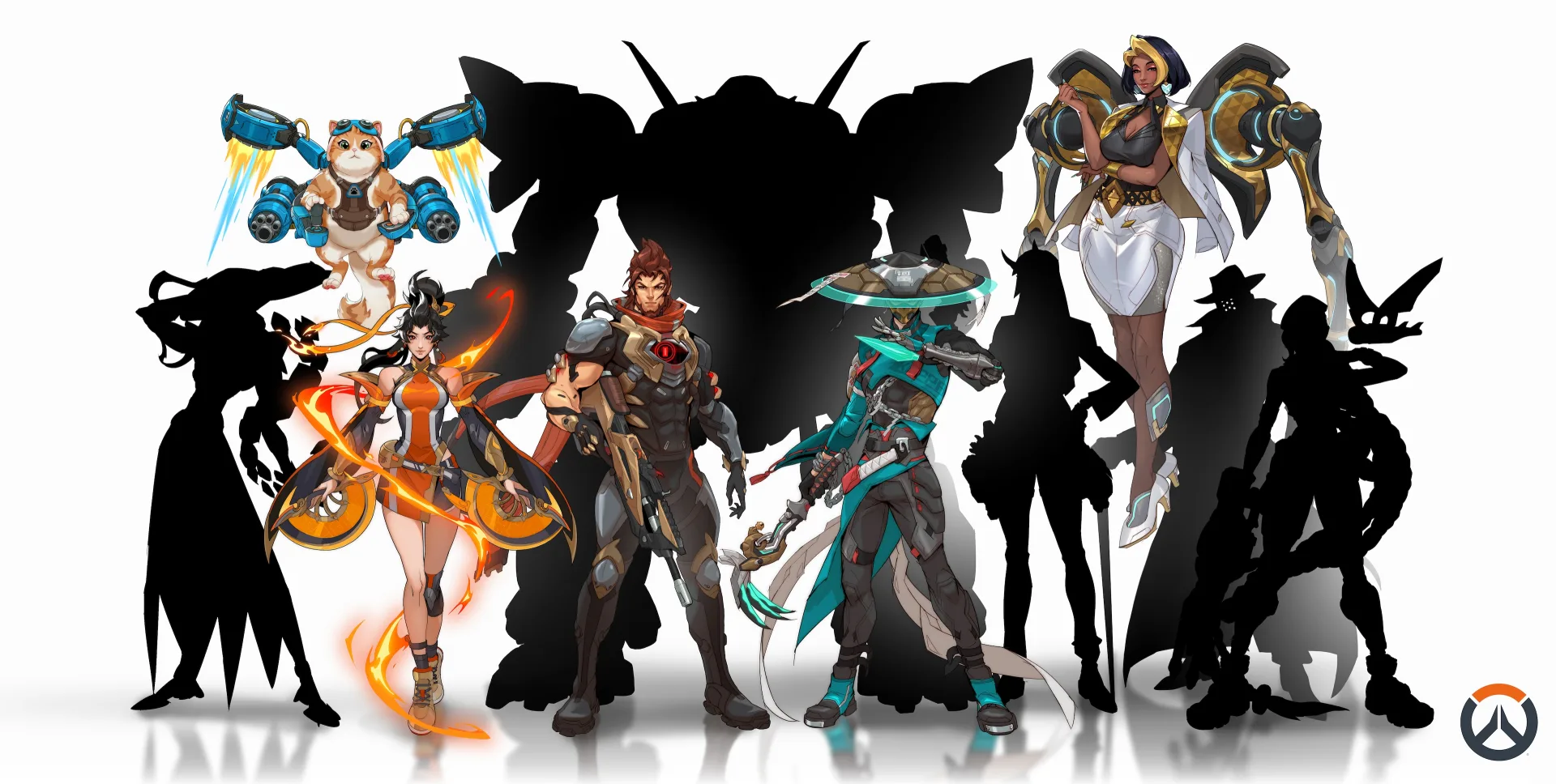
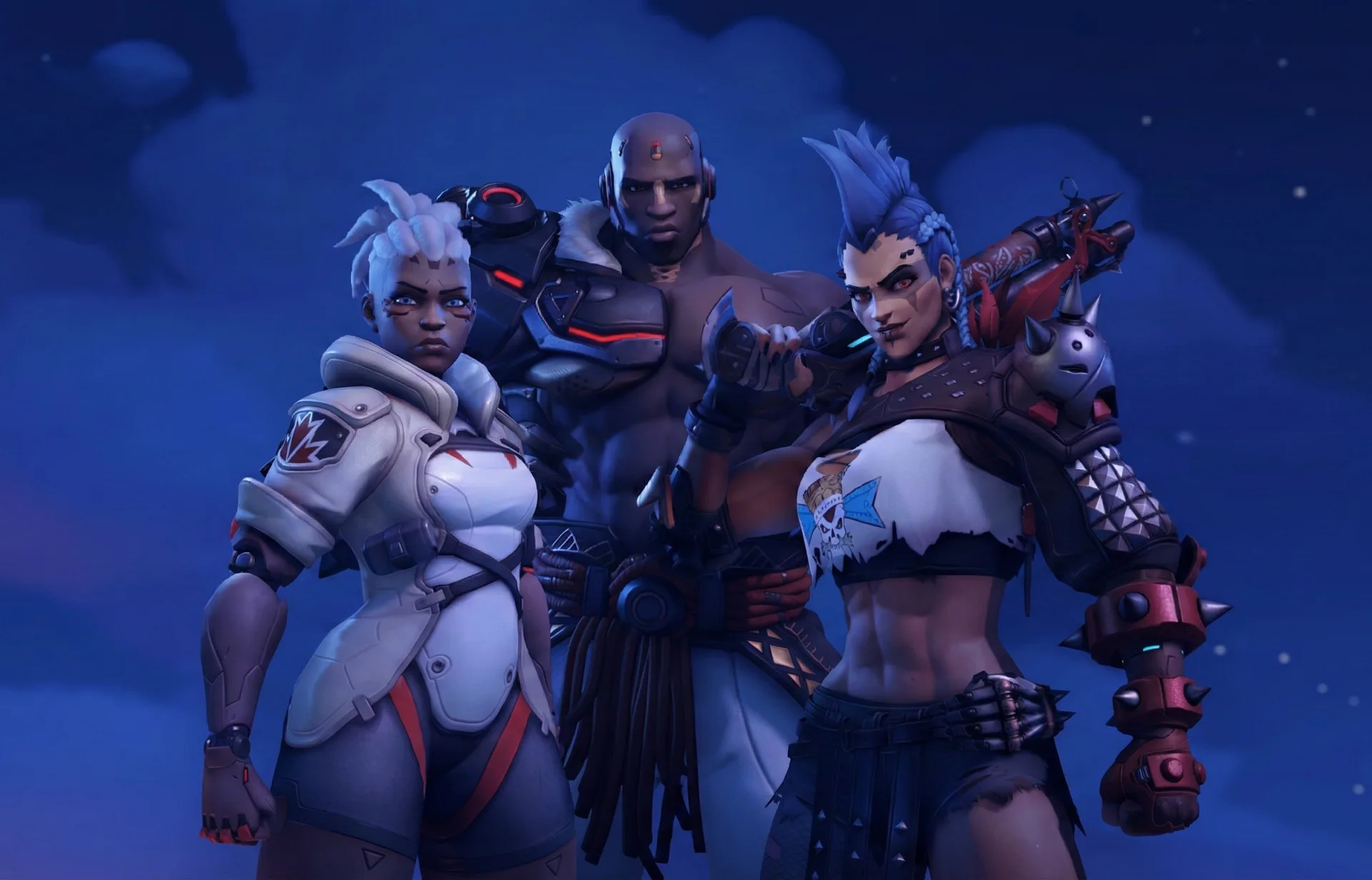
After years of an identity crisis, Overwatch is back – and it's dropping the "2." On February 10, 2026, Blizzard Entertainment launched 'Reign of Talon', the first major season in a grand new vision for the hero shooter. This isn't just an update; it's a rebrand that aims to transform the game into a "forever game," as game director Aaron Keller puts it. The change signifies a renewed focus on narrative and a staggering amount of new content, including ten new heroes planned for 2026 alone. The initial reception from the community has been notably positive, with the game's player count on Steam matching 2023 highs even before the season fully kicked off.
We've seen Overwatch ebb and flow, trying to find its footing since the mixed reception of its 2022 sequel launch. Now, with 'Reign of Talon' ushering in a year-long story arc and a promise of consistent, impactful updates, we believe Blizzard is finally attempting to address some of the long-standing criticisms. The studio seems to be acknowledging that the "2" was, for many, a glorified update rather than a true sequel, and this return to the original Overwatch moniker feels like a tactical retreat back to a more cohesive vision.
A Deluge of New Faces: Five Heroes Land in Season 1
Perhaps the most astonishing aspect of 'Reign of Talon' is the simultaneous release of five new heroes: Domina, Anran, Emre, Jetpack Cat, and Mizuki. This is the largest hero drop in Overwatch's history, significantly more than the three heroes Overwatch 2 launched with. For a game that historically treated new characters as carefully rationed delicacies, this feels like a genuine philosophy shift, an attempt to make one giant leap forward. Anran, a damage hero, was even available for an early Hero Trial from February 5 to February 10, 2026, allowing players a sneak peek before the full launch.
Blizzard plans to introduce a total of ten new heroes throughout 2026, with one new hero arriving each season after this initial wave. By the end of the year, the roster is expected to swell to 55 playable heroes. While game director Aaron Keller admitted this influx will undoubtedly lead to balance challenges, we can't help but feel a touch of skepticism. The community's early feedback is already highlighting concerns that, with the exception of the fan-favorite Jetpack Cat (a support hero with permanent flight), some of the new hero designs are "bland and uninspiring" or "generic and amateurish." This sentiment is particularly strong around Anran, whose in-game model, according to some players and even her voice actor, deviates significantly from her sharper, more imposing cinematic depictions, leading to concerns of visual homogenization among newer characters, dubbed "Kirikofication" by some.
This criticism isn't entirely new, as Blizzard senior producer Kenny Hudson recently stated that characters with "longer limbs and more natural human proportions facilitate the development of cosmetic content". While we understand the practicalities of streamlining skin production, we hope this doesn't come at the cost of the unique, diverse character designs that originally defined Overwatch's charm. The appeal of a hero shooter lies in its eccentric and varied cast, and prioritizing "conventional beauty" for easier monetization risks alienating the community that craves unique "oddball" characters.
Here’s a quick rundown of the Season 1 newcomers:
- Domina (Tank): Described as a control-oriented tank, an heiress of Vishkar Industries who uses hard-light barriers that break in segments.
- Anran (Damage): A fire-wielding damage dealer with strong mobility, but initial player sentiment suggests she might be the weakest of the new batch in terms of burst damage.
- Emre (Damage): A long-teased character in the lore, described as a comfort-pick DPS, akin to a hybrid of Soldier: 76 and Junkrat.
- Jetpack Cat (Support): The beloved meme brought to life, a permanently flying support who can tow allies and enemies. We expect this character to be a chaotic delight in matches.
- Mizuki (Support): An understated support hero with a kit that some support mains are excited about, drawing comparisons to Brigitte.
A Story Unfolds and Systems Evolve
'Reign of Talon' isn't just about new heroes; it's the genesis of a new annual, multi-faceted story arc, spanning Seasons 1-6. Blizzard is promising a narrative with a clear beginning, middle, and end, delivered through motion comics, in-game events, new voice lines, animated hero trailers, and short stories. After years where Overwatch 2's story-based PvE modes were ultimately scrapped, this commitment to a coherent, evolving in-game narrative is a welcome, if long overdue, change. We’re cautiously optimistic that this approach will finally give players a compelling reason to engage with the game’s rich universe beyond competitive matches.
Beyond the lore, Blizzard is implementing several significant system and user experience updates:
- Class System Overhaul: Tank, Damage, and Support roles are being subdivided with unique passive buffs. This is a critical change that should refine gameplay and provide clearer role identities, hopefully encouraging more strategic team compositions.
- UI/UX Refresh: A major overhaul to the user interface and experience, affecting the lobby, play cards, navigation, hero gallery, and social panel. A visual refresh is always appreciated, especially if it streamlines navigation.
- New Systems: A 'Praise' feature for positive in-game feedback, utilizing hero voice lines recorded over the past decade. While a nice sentiment, we question how much impact a 'Praise' button will truly have on toxicity without more robust behavioral systems. Enhanced sound and music control settings are also a welcome quality-of-life addition.
- Conquest Meta Event: Season 1 features a five-week PvP faction war between Overwatch and Talon, complete with lore-tied missions and faction-based rewards. This has the potential to be genuinely engaging, immersing players in the evolving narrative through their gameplay choices.
- Stadium Mode Updates: This includes the addition of Vendetta, an altered competitive pace, an Armory UI refresh, and a new 'Hero Builder' feature. The 'Hero Builder' recommends builds based on player data, which is a fantastic idea for new players and veterans looking to optimize their play.
Competitive Reset and Esports Momentum
Season 1 also signals the start of a new competitive year with a full competitive reset. Players can earn a new 'Crimson Wolf' competitive weapon skin and a 'Doomfist' competitive skin reward for reaching Diamond rank or higher. While Blizzard stated this is a "full competitive reset," player discussions suggest it's more of a soft reset of skill ratings, with MMR largely remaining intact, which is generally preferred to avoid chaotic early-season matches.
On the esports front, the Overwatch Champions Series (OWCS) is kicking off this weekend with a bootcamp in Seoul, while the Overwatch World Cup is confirmed to return at BlizzCon in September. This continued investment in esports is crucial for the game's long-term health and visibility.
Cosmetics and a Cute (But Questionable) Crossover
The loot box pool is being refreshed to include all regular shop skins from the last six seasons. Season 1 also introduces two new Mythic Hero Skins: Mercy’s 'Celestial Guardian' and Juno’s 'Star Shooter'.
However, the standout (and arguably most divisive) cosmetic news is the 'Hello Kitty & Friends' collaboration event, running from February 10–23. This event features six themed Hero skins:
- Juno as Hello Kitty
- Kiriko as Cinnamoroll
- Mercy as Pompompurin
- D.Va as My Melody
- Widowmaker as Kuromi
- Lucio as Keroppi
While collaborations like these can inject fresh appeal, we find ourselves questioning some of the choices. Many in the community have pointed out the curious decision to give Juno, a character who explicitly expresses fear of cats, the Hello Kitty skin, while the actual new hero, Jetpack Cat, receives no such themed cosmetic. This feels like a missed opportunity for a truly memorable, lore-appropriate crossover moment. It raises the editorial question of whether these collaborations are driven by thematic fit or purely by marketing potential. Still, the integration includes premium Play of the Game moments featuring 3D Hello Kitty characters, which is an undeniably adorable touch.
Platform Expansion
Overwatch remains available on PC, PlayStation 4, PlayStation 5, Xbox One, Xbox Series X/S, and Nintendo Switch. Notably, the game is also slated for release on the Nintendo Switch 2 starting in Season 2 of 2026, expanding its reach to an anticipated new console generation.
This 'Reign of Talon' update feels like a critical juncture for Overwatch. The rebranding, the sheer volume of new heroes, and the commitment to a consistent narrative demonstrate a renewed ambition from Blizzard. We are hopeful that this fresh start, shedding the "2" and embracing a more sustained content model, will allow Overwatch to finally realize its potential as a dynamic, evolving live-service game.

Comments