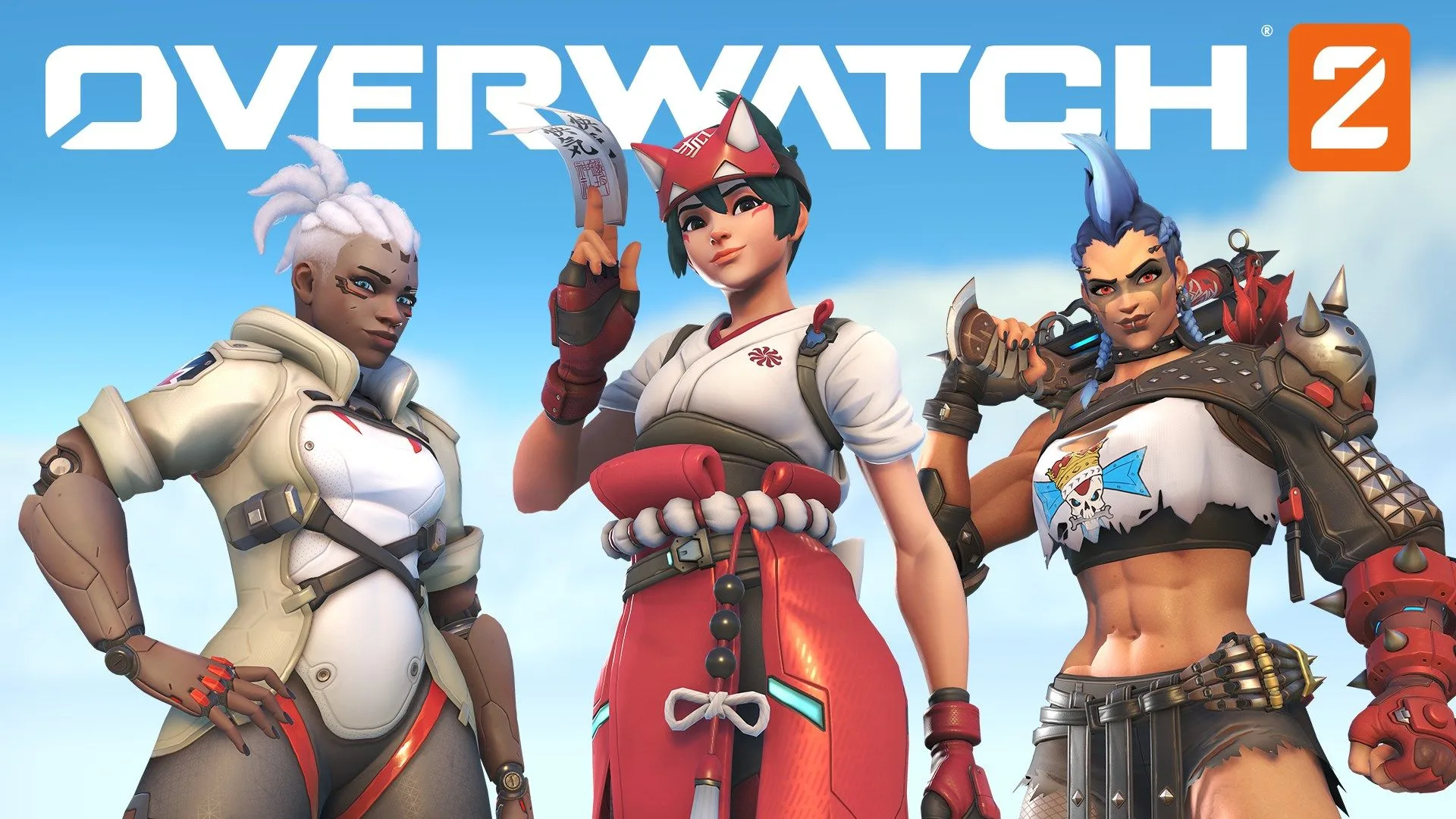
Blizzard Entertainment made a significant declaration yesterday, announcing that its team-based hero shooter, Overwatch 2, will officially revert to its original, unnumbered name: Overwatch. This rebranding, revealed during Wednesday's "Overwatch Spotlight" showcase on February 4, is slated to take effect on Tuesday, February 10, strategically coinciding with the launch of the game’s highly anticipated Season 1.
This isn't just a simple name change; it's a statement. Blizzard is clearly signaling a renewed, almost desperate, commitment to position the title as a "forever game," explicitly stating there are no plans for a future "Overwatch 3." According to Game Director Aaron Keller, the company's ambition is to present this iteration as the "best version of Overwatch that has ever been." We view this as a clear admission that the "2" never quite landed with its audience, and now Blizzard is attempting to wipe the slate clean.
Rebranding or Rebirth? Blizzard Bets on 'Overwatch' as a 'Forever Game'
Blizzard President Johanna Faries championed the move, declaring that "Overwatch is a pillar for Blizzard that we believe is a timeless game" and "not limited to chronology" or "number structures." Walter Kong, head of development for live games, echoed this, framing the name change as both representative of the game's current state and a "return to form." While we appreciate the sentiment, it's hard to ignore the marketing spin here. To truly be timeless, the game needs consistent, meaningful updates, not just a fresh coat of numerical paint.
The decision stems from what Blizzard admits was "mixed reception" to the "2" upon Overwatch 2's October 2022 launch. Many players felt the original Overwatch was "subsumed" by its successor, and the initial rollout certainly gave them reason to feel that way. We remember the community's frustration vividly: the scuttling of fan-favorite Assault maps, the introduction of the divisive Push game mode, and, most critically, the eventual scrapping of its promised large-scale PvE Story Missions. For many, these changes meant they "never really got Overwatch 2" in the way they were led to believe. The dream of a campaign-driven sequel evaporated, leaving behind a live-service update that struggled to define itself.
Despite these significant missteps, the game has indeed evolved. Its shift to a free-to-play model, making all heroes free, and even the controversial reintroduction of loot boxes in Season 15, mark a continued effort to adapt. Polygon notably suggested that the 2025 additions of the Perks system and Stadium mode helped "Overwatch 2 finally justified itself as a sequel". While we agree these were positive steps, calling it "justified" after such a tumultuous launch feels generous, especially given the high bar set by its predecessor. We're cautiously optimistic this renaming signifies a more stable future, rather than just another pivot.
Season 1: 'The Reign of Talon' — A Content Deluge to Win Back Players?
The launch of Season 1 on February 10, titled "The Reign of Talon," promises an extensive array of new content and significant changes to the game. It feels like Blizzard is throwing everything at the wall to re-energize the player base, and we're here to break down what truly matters.
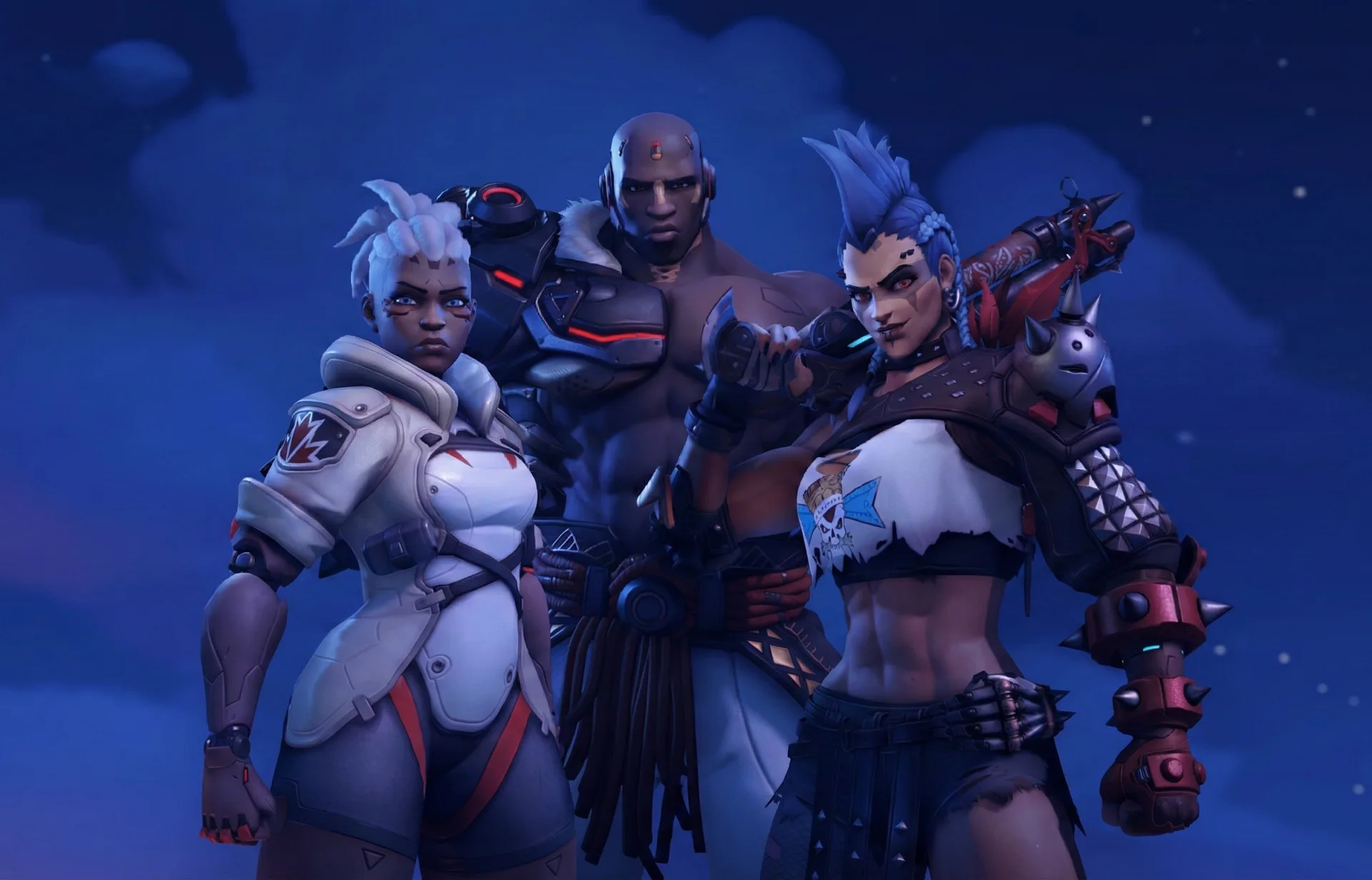
- New Story Model: Overwatch will adopt a yearly story model, featuring six seasons, each tied to a new overarching narrative. These stories will unfold across various media, including in-game events, comics, short stories, and animated features, all accessible via a new in-game "story" tab. The inaugural arc will focus on the villainous organization Talon, with newcomer Vendetta leading a shakeup that includes a confrontation with Doomfist. This is a crucial pivot. After the PvE debacle, Blizzard needs a consistent narrative delivery system, and this structured approach, if executed well, could finally give players the lore progression they crave without the burden of a full co-op campaign.
- Five New Heroes: Season 1 introduces a major hero roster expansion with five new characters. This is perhaps the most impactful content drop, especially after periods of slower hero releases.
- Domina (Tank)
- Emre (Damage) – A character highly requested by the community for a decade, his inclusion is a clear nod to long-term fans.
- Mizuki (Support)
- Anran (Damage) – Available early via a Hero Trial starting today, February 5.
- Jetpack Cat (Support) – Another character highly anticipated by the community for years. The inclusion of Emre and Jetpack Cat, specifically called out as community favorites, shows Blizzard listening to player feedback, a positive sign given past criticisms. More heroes mean more meta shifts, which can revitalize gameplay, but also presents significant balancing challenges.
- A collaboration with Hello Kitty & Friends will run from February 10–23, featuring six themed Hero skins. This is a clear play for broader appeal and likely a significant revenue driver.
- Two new Mythic Hero skins, Mercy’s Celestial Guardian and Juno’s Star Shooter, will be released in Season 1, with more planned for future seasons including Mei, Soldier: 76, Illari, Mauga, Genji, Hanzo, and Sojourn. Mythic skins are premium content, and a steady pipeline ensures continued monetization opportunities.
Ambitious Road Ahead: Esports, New Platforms, and the Shadow of AI
Blizzard's plans for Overwatch's future extend well beyond Season 1. A total of 10 new heroes are planned for release in 2026, with one hero per season following the initial five in Season 1. This ambitious schedule suggests a major acceleration in content output, which players have consistently requested.
The Overwatch Champions Series (OWCS) will kick off with a Bootcamp on February 13-15, with the full season launching on March 21 and World Finals held in China. The Overwatch World Cup will also make its return, with the main event scheduled for BlizzCon in September. We see this renewed commitment to esports as a foundational pillar for a "forever game," aiming to cultivate a thriving competitive scene.
Further expanding its reach, a native Nintendo Switch 2 version of the game is planned for Spring 2026, coinciding with the launch of Season 2. This ensures the game remains accessible on new platforms as the console generation evolves.
While Game Director Aaron Keller acknowledges that the upcoming changes, particularly the influx of many new heroes, will "upset the balance of the game," the team is committed to the long-term vision. This transparency is appreciated, as balancing Overwatch with its growing roster is a monumental task. Finally, the studio has addressed concerns about content creation speed, stating that it is not "comfortable" putting AI-generated content "in front of players." In an industry increasingly flirting with AI tools, Blizzard's explicit stance here is a noteworthy commitment to traditional development and quality control, potentially distinguishing them from competitors who might take a different approach.
Overwatch is currently available on Nintendo Switch, PlayStation 4, PlayStation 5, Windows PC, Xbox One, and Xbox Series X. With this massive content injection and a bold rebrand, Blizzard is clearly making a concerted effort to reignite player passion and fulfill the promise of a true "forever game." We're hopeful, but only time will tell if this ambitious overhaul truly washes away the lingering skepticism from the Overwatch 2 era.

Comments