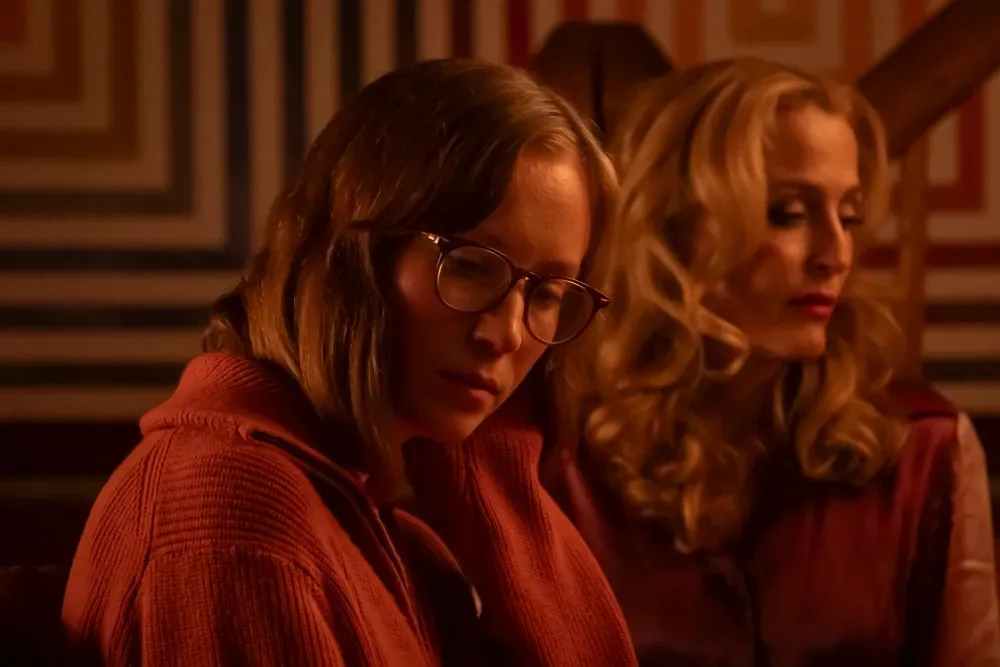
Director Jane Schoenbrun is preparing to unleash their third feature film, the provocatively titled Teenage Sex and Death at Camp Miasma, upon North American audiences on August 7, 2026. This Mubi and Plan B Entertainment co-production delivers a unique blend of horror, comedy, and meta-slasher thrills, starring Hannah Einbinder and Gillian Anderson in leading roles.
Schoenbrun, known for their distinct vision in films like We’re All Going to the World’s Fair (2021) and the critically acclaimed I Saw the TV Glow (2024), returns to the director's chair for a narrative that interweaves classic horror tropes with contemporary queer identity.
A Meta-Slasher Odyssey
The filmmakers describe Teenage Sex and Death at Camp Miasma as a "meta-slasher," setting it apart from typical entries in the genre. The plot centers on a queer filmmaker tasked with revitalizing the flagging "Camp Miasma" franchise. Her obsession with casting the original movie’s "final girl" draws both women into a "blood-soaked world of desire, fear, and delirium." For viewers, this means we should expect more than straightforward scares. We anticipate a film that actively engages with, and perhaps deconstructs, the very genre it inhabits, offering a self-aware commentary on horror conventions while still delivering genuine thrills and humor.
Schoenbrun describes the film as their "best attempt at the 'sleepover classic': an insane yet cozy midnight odyssey that beckons to unsuspecting viewers from the horror section at the local video store." This suggests an experience designed to be both nostalgic and disruptive, a film that understands the comfort of familiar tropes but isn't afraid to twist them.
Exploring Identity Through Horror's Lens
Schoenbrun's growing filmography consistently explores trans identity and queer horror. Teenage Sex and Death at Camp Miasma continues this trend, exploring themes related to enjoying sex after transition and the difficulty of good sex in the wrong body pre-transition.
The film aims to both honor and critique the historical representation of "gender deviance" in classic horror films like Psycho (1960) and Silence of the Lambs (1991). Schoenbrun's previous work, I Saw the TV Glow, has been lauded as a powerful exploration of gender dysphoria, and this new project appears to deepen that cinematic conversation. This approach offers a vital re-examination of how horror has historically (mis)represented trans and queer identities, giving a voice and narrative agency to those often relegated to villainous or tragic roles. It's a powerful statement in an industry still grappling with authentic representation.
The Creative Team and Distribution
The film features a strong creative team. Beyond Schoenbrun's dual role as director and writer, the project is produced by Dede Gardner, Jeremy Kleiner, and Brad Pitt under their acclaimed Plan B Entertainment banner, alongside Neil Mathieson. Plan B Entertainment is known for backing auteur-driven films and has a history of producing critically successful and Oscar-winning features, including 12 Years a Slave and Moonlight. Executive producers include Daniel Bekerman and Mubi’s Efe Çakarel.
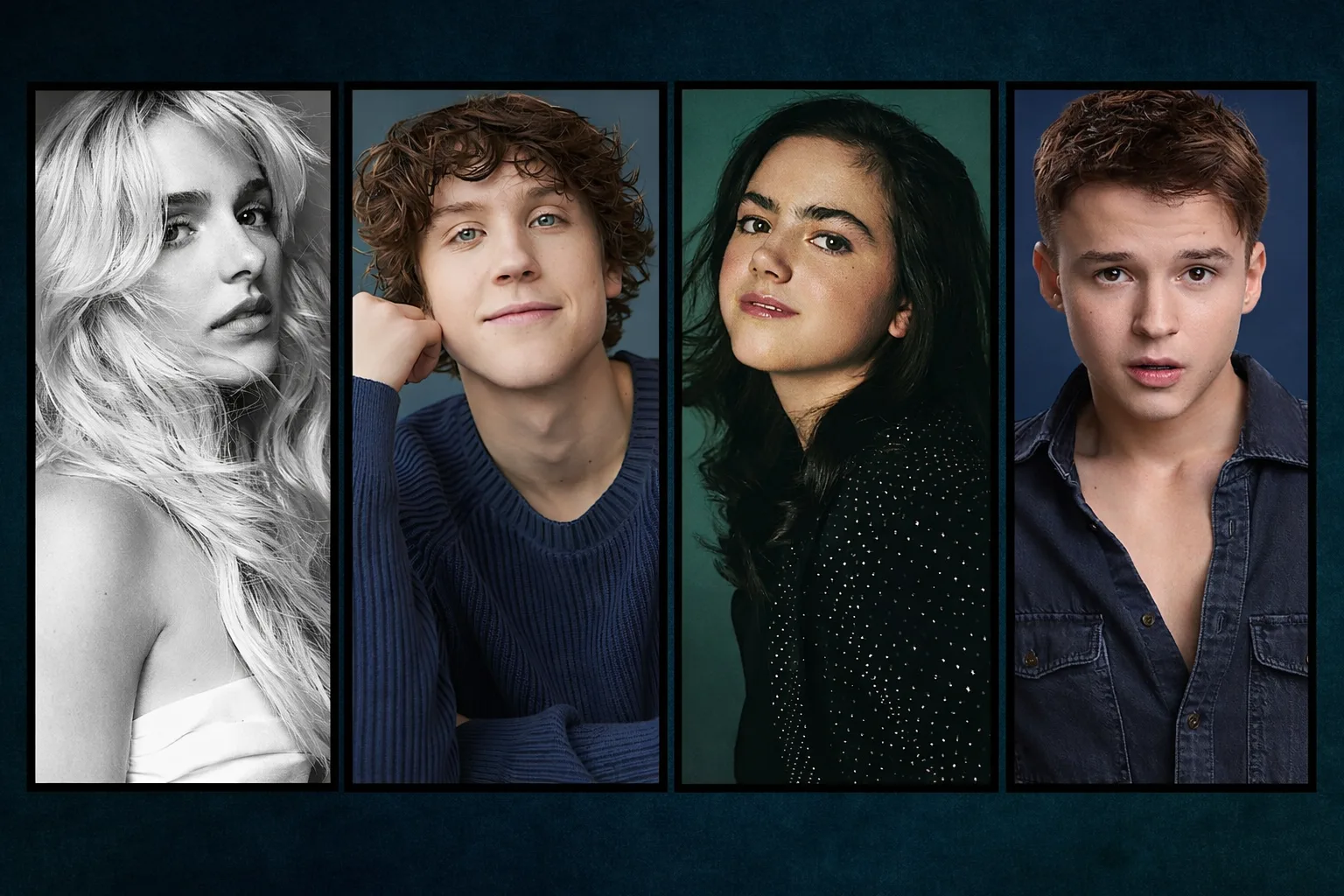
The cast features prominent talents Hannah Einbinder and Gillian Anderson, supported by Amanda Fix, Arthur Conti, Eva Victor, Zach Cherry, Sarah Sherman, Patrick Fischler, Dylan Baker, Jasmin Savoy Brown, Quintessa Swindell, Kevin McDonald, and Jack Haven.
Mubi will handle distribution across a wide range of territories, including North America, Latin America, the U.K., Ireland, Germany, Austria, Benelux, Spain, Italy, Turkey, India, Australia, and New Zealand. The Match Factory holds the remaining worldwide sales rights, having reported strong buyer interest at the American Film Market (AFM) in November 2025.
A Growing Voice in Indie Cinema
Jane Schoenbrun's trajectory as a filmmaker has been nothing short of impressive. Their previous film, I Saw the TV Glow, garnered significant attention, premiering at Sundance in 2024 and earning multiple nominations at the 2025 Independent Spirit Awards. Critics have praised Schoenbrun's ability to blur the lines between reality and fantasy, crafting unsettling and unique experiences. This film marks an important next step in solidifying Schoenbrun's distinct vision, further cementing their position as a filmmaker unafraid to tackle complex themes within genre filmmaking.
Critical Observation: Beyond the Provocation
The title, Teenage Sex and Death at Camp Miasma, is certainly a hook. It's designed to grab attention and immediately evoke a specific subgenre. However, given Schoenbrun's track record, we are confident this isn't simply gratuitous. Instead, we expect the title to serve as a deliberate provocation, a knowing nod to the B-movie sensationalism it will likely subvert. The film's challenge will be to meet the expectations set by its bold title while also exploring the nuanced and critical themes it sets out to address. It's a tightrope walk between genre expectations and artistic ambition, and how successfully it balances those two elements will determine its ultimate impact.
Why This Film Matters
Teenage Sex and Death at Camp Miasma offers more than just another entry in the horror calendar. The film embodies the continued evolution of queer voices within the genre, actively engaging with its problematic past to forge a more inclusive future. Jane Schoenbrun's collaboration with a powerhouse like Plan B Entertainment and a curated distributor like Mubi signals a growing mainstream recognition of unique, arthouse horror that challenges conventional narratives. For audiences, this film offers both an escape into a "blood-soaked world" and an opportunity to critically engage with how stories of desire, fear, and identity are told. It's a film that aims to be both a nostalgic "sleepover classic" and a sharp, necessary critique, and we eagerly anticipate how it shapes the conversation around queer horror.





Comments