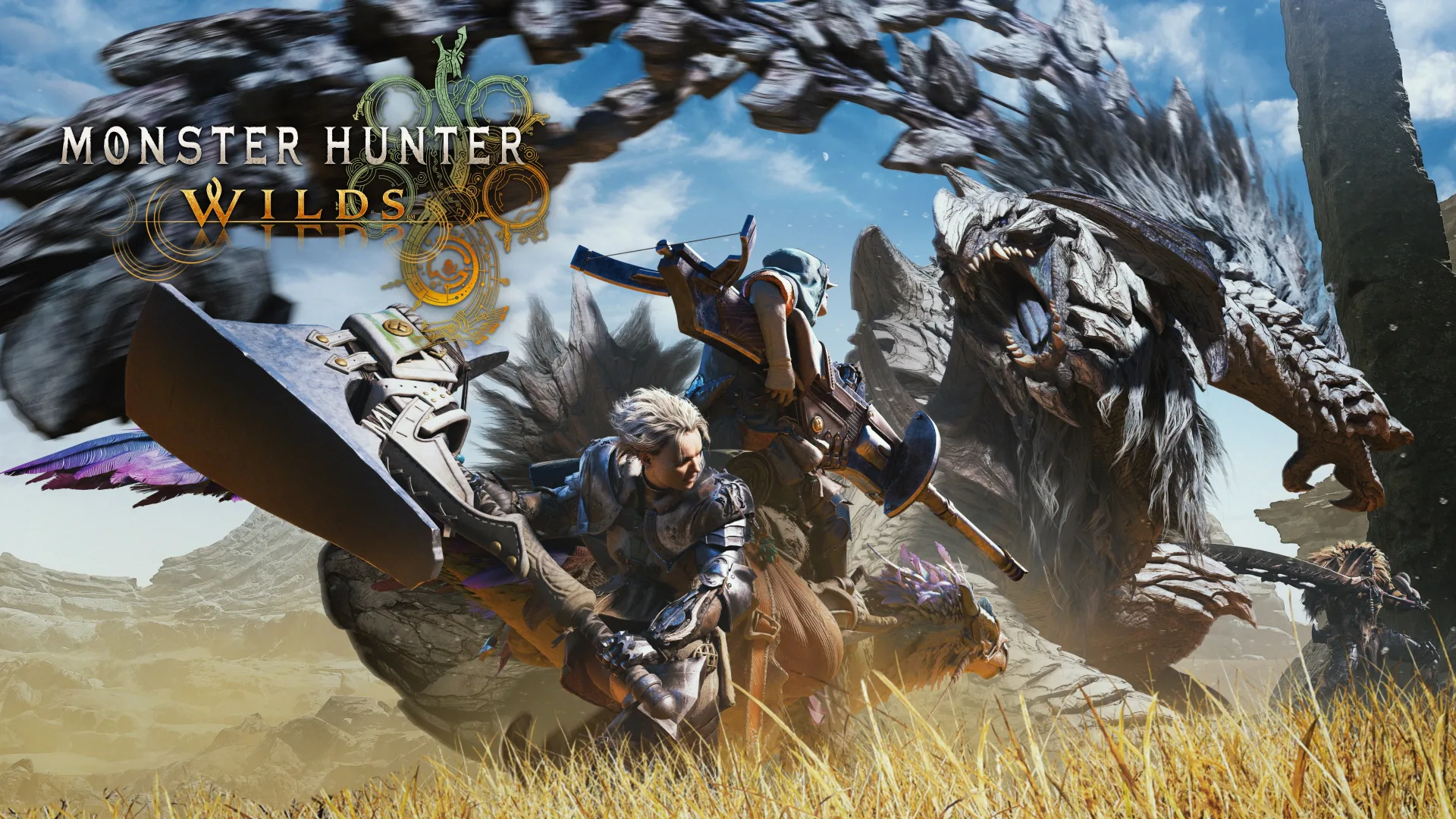
When we typically think about boosting game performance, our minds drift to powerful new GPUs or painstakingly tweaking graphics settings. So, imagine our surprise when the most effective "fix" for Monster Hunter Wilds performance issues hinged on a bizarre revelation: tricking the game into thinking you owned all its downloadable content, even when you didn't. This counter-intuitive discovery exposed a baffling flaw in Capcom’s RE Engine, leading to unnecessary disk I/O operations and CPU strain due to inefficient DLC checks. While the initial findings painted a dire picture of a fundamental bug causing avoidable slowdowns, a recent patch has finally begun to address this perplexing issue. Here at TTEK2, we've followed this saga closely, and we're here to break down what was truly happening, evaluate Capcom's response, and discuss why this incident offers critical lessons for game development.
The DLC Paradox Uncovered
The tech community often acts as an invaluable debugging team, and player ’s discovery stands out as a prime example. They meticulously documented a peculiar finding: Monster Hunter Wilds appeared to run smoother when the game's internal system registered all DLC as "owned"—even if the content itself wasn't physically installed. This wasn't about accessing extra content; it was a clever method to bypass the RE Engine's resource-intensive internal validation checks. By simulating DLC ownership, either through community-made mods or by simply owning all available content, the engine reportedly skipped redundant disk scans and inefficient fallback asset-loading routines, thereby freeing up crucial system resources. This led to measurable performance improvements, particularly noticeable on mid-range and budget hardware.
Capcom, following these widespread community reports, confirmed the issue, though their explanation narrowed the scope somewhat. According to Capcom's patch notes, the problem stemmed from CPU load increases around the Support Desk in the Base Camp or Grand Hub. This was triggered by continuous status checks for unclaimed content, indicated by an exclamation mark, rather than a general check for all owned DLC. While Capcom claims the number of owned DLCs didn't affect this, community testing, including some by outlets like Rock Paper Shotgun, still observed performance benefits from owning all DLC pre-patch, especially in those hub areas. This discrepancy in understanding the exact mechanism doesn't diminish the community's ingenuity in identifying the symptoms.
Capcom's Response: A Patch Arrives (Finally)
After extensive community discussion and independent verification, Capcom released a crucial PC patch (Ver. 1.040.03.01) on January 28, 2026, specifically targeting the DLC-related performance bug. The patch notes detailed improvements aimed at reducing processing load, enhancing shader compilation, and improving VRAM usage, with a direct fix for the Support Desk's unclaimed content checks.
Our initial assessment, backed by community feedback, suggests the patch has delivered tangible improvements. Players are reporting smoother frame pacing, reduced stutter, and eased CPU bottlenecks. While some high-end systems saw modest gains (e.g., an RTX 5080 going from 66fps to 74-75fps in affected camp areas), the impact is more pronounced for lower- and mid-range PCs. The improvements are most noticeable in the previously problematic hub areas where the DLC checks were constantly running. It’s a welcome change that has, for many, made the game significantly more enjoyable.
Beyond the DLC: Broader Performance Context
While the DLC bug fix is a victory for players, it's important to frame it within Monster Hunter Wilds' broader performance narrative. The game has, since its early 2025 launch, been criticized for overall optimization issues, including CPU bottlenecks, stuttering, and VRAM problems. The RE Engine, while celebrated for its prowess in linear experiences like the Resident Evil remakes, has developed a reputation for struggling with the demands of open-world environments and high NPC counts, as also seen in Dragon's Dogma 2. This suggests the DLC checking bug was merely one symptom of underlying engine inefficiencies when applied to a more expansive game world.
Capcom has acknowledged these ongoing concerns, with a further performance-focused update scheduled for February 18, 2026. This upcoming patch promises additional CPU and GPU optimizations, including quality level (LOD) adjustments for 3D models to reduce processing load by swapping to lower-resolution models for distant objects. We hope these successive updates will address the remaining performance hurdles and allow the game to shine consistently across all hardware configurations.
Our Advice for Hunters: Embrace the Updates
For hunters still experiencing performance issues, our advice has shifted:
- Install the Latest Patch: Ensure your game is updated to Ver. 1.040.03.01 or later. This directly addresses the core DLC bug and brings other critical optimizations.
- Utilize In-Game Optimizations: Continue to prioritize proven settings like DLSS/FSR (where available) and manual adjustments to graphically intensive options, such as shadow quality and the new foliage density setting.
- Awaiting Further Improvements: Keep an eye out for the February 18th update, which promises more system-wide optimizations.
The good news is that players no longer need to consider the convoluted workaround of simulating DLC ownership. The initial, bizarre suggestion that buying more DLC could improve performance has been rendered obsolete by an official fix.
The Bigger Lesson for Game Developers
This entire incident serves as a stark reminder of critical gaps in engine development and quality assurance. The RE Engine’s inefficient DLC validation, regardless of its precise mechanism, was a glaring oversight that disproportionately impacted players on lower-spec systems. While Capcom has now acted, it took a community member to uncover a bug that, in our view, could have been easily prevented with more rigorous stress-testing of edge cases, particularly those involving content ownership states. The fix itself—caching "not owned" states after initial checks—underscores the relatively simple nature of the underlying problem.
For the broader game development community, this is a lesson in the importance of meticulous code review and comprehensive testing across a wide array of hardware and content ownership scenarios. Performance bottlenecks aren't always about bleeding-edge graphics or complex physics; sometimes, they're hiding in plain sight, in fundamental system checks. We genuinely hope that the transparency around this bug, and Capcom's subsequent action, will lead to more robust development practices across the industry.









Comments