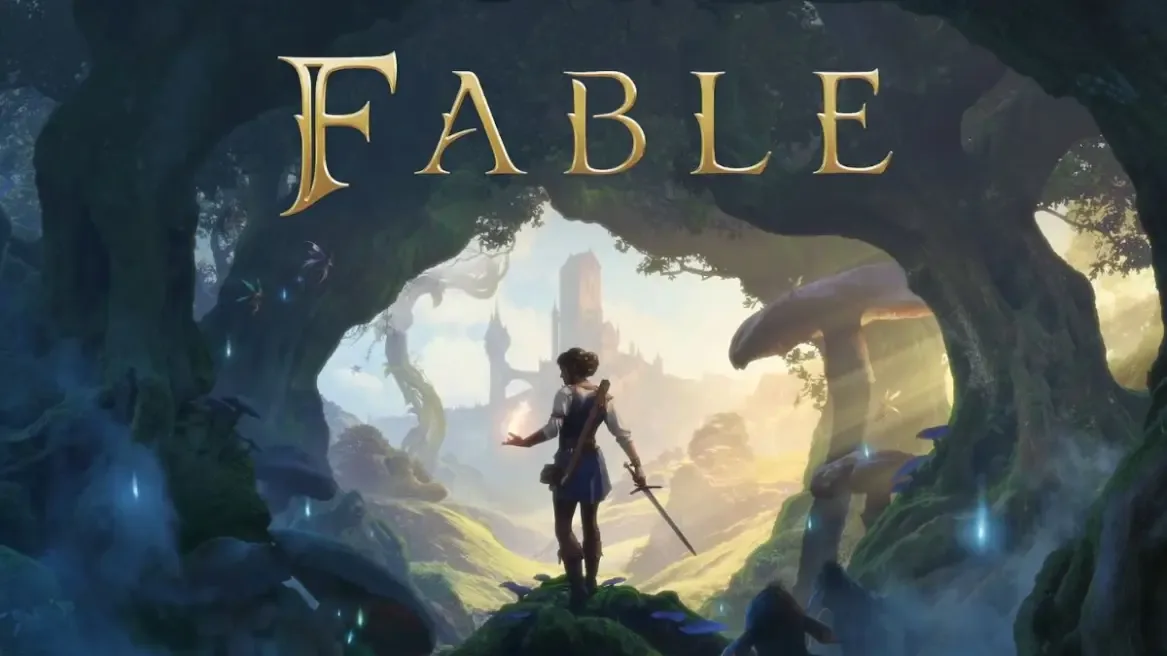
We're still reeling from the January 2026 Xbox Developer Direct, which dropped a wealth of new information about Playground Games' eagerly anticipated Fable reboot. While an Autumn 2026 release window for PC, Xbox Series X/S, and PlayStation 5 gives us a firm date to circle on our calendars, the significant removal of a fan-favorite feature has definitely stolen the headlines. Game Director Ralph Fulton confirmed that the highly anticipated role-playing game will not include a dog companion, a decision he attributes to "development reasons." This is a bold, perhaps even dangerous, move for a franchise so deeply associated with its canine sidekicks.
This new Fable is a complete reboot, entirely separate from the original series' timeline, events, or characters, aiming to clear space for a fresh narrative within the whimsical world of Albion. However, shedding its past might come at a cost, especially when it means sidelining a beloved companion.
The Dog Days Are Over: A Controversial Cut
The decision to exclude the dog companion marks a notable departure from the original Fable games, where the player's loyal dog was often a central element of gameplay and emotional connection. While Game Director Ralph Fulton cited "development reasons" for the cut, we find ourselves skeptical. "Development reasons" can often be a catch-all phrase for difficult decisions, and the reported "internal friction," with "a large number of people on the team hav[ing] yet to forgive him" for the cut, suggests this wasn't a simple technical hurdle. The community's reaction has been largely negative, with many expressing disappointment and concern over the omission of such an iconic element of the Fable experience. For many, the dog wasn't just a sidekick; it was a core part of the game's identity and emotional pull, even inspiring "overwhelming solidarity" in Fable 2's ending where saving the dog was seen as the only correct choice. Some players, however, have voiced that they won't miss the dog, finding it "useless" for anything other than digging treasure or even an "annoying yappy little" hindrance during exploration.
Another change confirmed for the reboot is the omission of character physical appearance changes based on morality – think growing horns for evil or an angelic glow for good. This classic Fable mechanic was reportedly cut to avoid conflict with the game's reimagined "reputation system." Game Director Ralph Fulton explained that the old system, which relied on a single, rigid morality scale, wouldn't fit the new approach where "there's no objective good, there's no objective evil." The new system allows player actions, when witnessed, to contribute to a specific reputation in various locations, enabling players to form different identities without a universal reputation preceding them. NPCs will react to the player's reputation based on their individual, "almost unique worldview," even going so far as to "catcall" players in the street with labels like "miserable twat" or "RICH TWAT." While an intriguing concept that promotes localized storytelling, we wonder if losing the immediate visual feedback of moral choices might dilute the impact for some players who enjoyed those stark transformations. The idea of context-specific reputations is interesting, but we'll need to see how well it avoids feeling like a series of disconnected mini-reputations rather than a coherent character journey, especially given the "near-universal appreciation" for the physical morphing in previous titles.
Albion's New Blueprint: Features and Fantasies
Despite the controversial removals, Playground Games' Fable promises a rich and immersive experience. The game is slated for release in Autumn 2026 on PC, Xbox Series X/S, and PlayStation 5.
Here's what we know will define the new Albion:
- Storytelling: The use of mockumentary interviews with characters, similar to The Office, throughout the game to help tell its fantastical story is a genuinely bold and unique choice. Its quirky Britishness, influenced by iconic British comedies like Peep Show and The IT Crowd, could be a refreshing differentiator in a genre often dominated by serious, high fantasy tones. However, balancing this comedic style with the underlying moral choices and whimsical narrative will be key; comedy, when forced, can easily fall flat.
- Voice Cast: Featuring actors from British sitcoms, including Richard Ayoade (The IT Crowd) as "vegetable enthusiast" Dave, and Matt King (Peep Show), further reinforces the comedic tone. This is a smart move to instantly convey the desired atmosphere and will resonate strongly with fans of British comedy.
- Character Customization: Deep character customization options will be available. In an RPG of this scale, this is less a feature and more an expectation, but we're eager to see how "deep" these options truly are, especially without the classic morality-based physical changes.
- Reputation System: As discussed, this reimagined morality system focuses on localized reputations. The promise of "different identities without a universal reputation preceding them" has potential for unique playthroughs, but also raises questions about how much our actions truly carry weight across the entire world if we can simply reset our reputation by traveling to a new town.
- NPCs: The claim of 1,000 handcrafted, fully voiced NPCs, each with a name, appearance, personality traits, a moral worldview, and a specific work/home life, is frankly astounding. If truly realized, this could set a new standard for open-world immersion, far surpassing typical RPG populations where detailed, interactive NPCs at this scale are rare. We are naturally skeptical of such ambitious numbers, as many games promise living worlds that often feel static upon release. How many of these NPCs will genuinely offer unique interactions, and how many will just exist to fill space? This feature, if delivered, would be a monumental achievement.
- World & Exploration: Open-world zones will not be level-gated, allowing players to explore freely. This is a welcome design philosophy that respects player agency and encourages true discovery, a refreshing contrast to many modern RPGs that guide players too rigidly. The confirmation that every building in the game is enterable also hints at an unparalleled level of environmental detail and interactivity.
- Player Agency: The ability to engage in romance options, buy houses and businesses, get married and have children, and hire and fire NPCs aligns with the classic Fable ethos of building a life within Albion. These features are crucial for an RPG focused on personal stories and are a welcome return.
- Combat: Described as free-flowing and designed to encourage emergent events and humor, such as an enemy accidentally killing an ally, suggests a departure from purely tactical or skill-based combat. This could be a fun, dynamic system, but we hope it maintains a satisfying level of challenge and depth, rather than relying solely on slapstick.
- Core Philosophy: Embracing the concept that "Fable is Fairytale, not Fantasy," focusing on intimate, personal, and whimsical stories about ordinary people affected by magic, with a moral component, is a clear statement of intent. It distinguishes Fable from many other sprawling fantasy epics and reminds us of the charm of the original.
- Classic Mechanic: Players will still be able to kick chickens, a crucial detail for fans worried about the franchise losing its whimsical soul. This small but iconic interaction is a comforting nod to its roots.
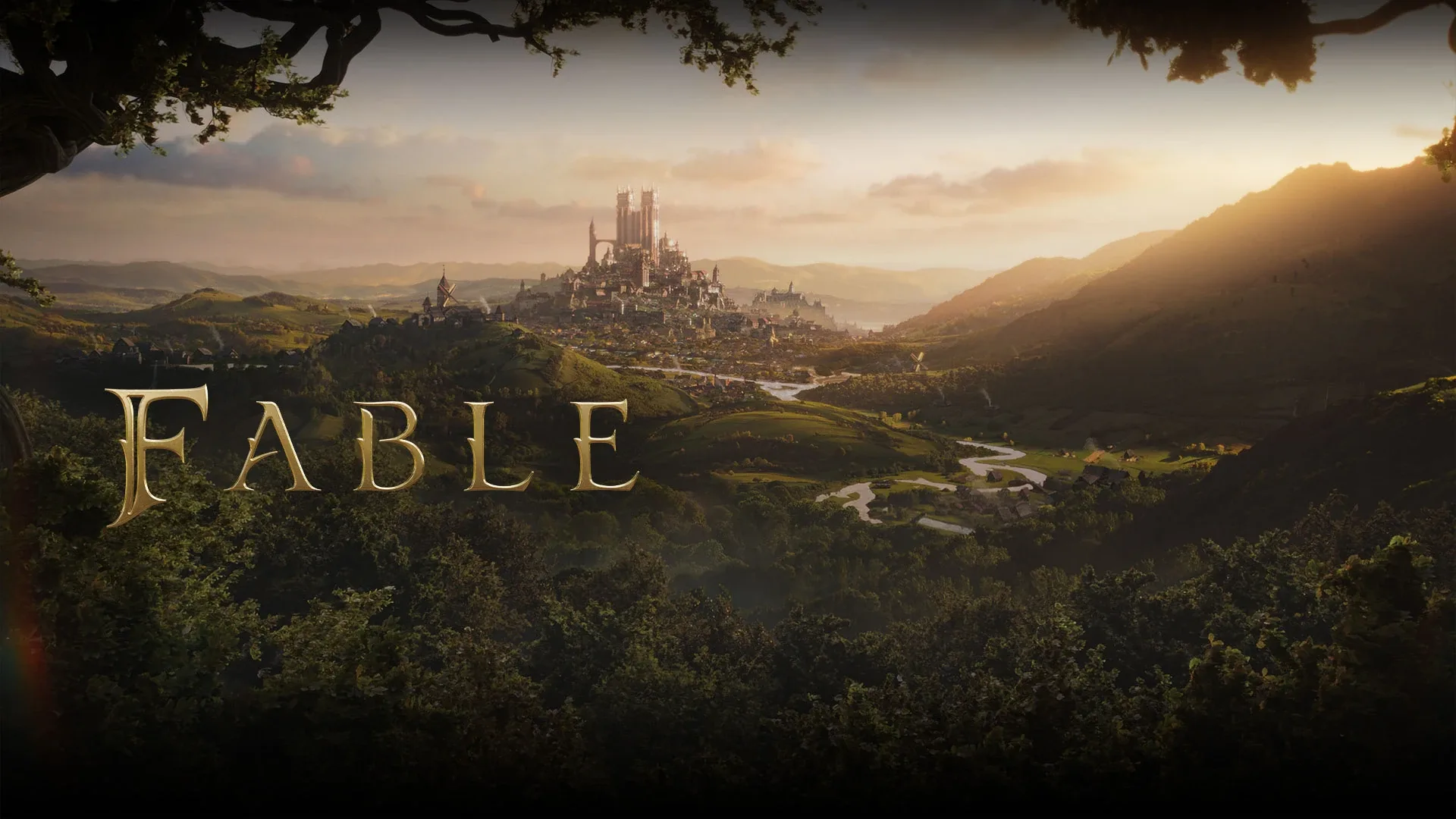
The game is being developed on an adapted ForzaTech engine, which, given Playground Games' pedigree with the Forza Horizon series, should provide a visually stunning and mechanically polished world, though adapting a racing engine to a sprawling RPG surely presents its own unique challenges.
A Legacy Reimagined: The New Fable's Blueprint
The new Fable marks the return of the beloved series after a 16-year dormancy, a period long enough to see entire console generations come and go. Announced in 2020, this title is a complete reboot, entirely separate from the timeline, events, and characters of the original games. Playground Games, best known for the Forza Horizon series, began working on Fable around 2016-2017, building its development team from scratch, with many members joining as dedicated fans of the series. This blend of fresh talent and passionate veterans could be the secret ingredient needed for a successful reboot.
Xbox leadership emphasized the importance of a British studio continuing the Fable legacy, especially after the closure of original developer Lionhead Studios. Playground Games also inherited a "treasure trove of documents from Lionhead" at the start of the project, an intriguing detail suggesting a respect for the franchise's rich history even as they forge a new path. It raises questions about how much of that original vision might subtly influence this reboot.
Lionhead's Shadow: Learning from Fable 3's Past
The original Fable series, under Lionhead Studios, faced its own significant development challenges, offering a cautionary tale for any ambitious RPG. Fable 3, for example, reportedly had a short 18-month development cycle due to a Microsoft mandate, leading to "huge cuts" in the final third of the game. Peter Molyneux, co-founder of Lionhead and lead designer, later expressed regret over not asking for more development time, stating it "needed double the time." Despite these pressures, Fable 3 still managed to feature a star-studded voice cast, including Michael Fassbender, Stephen Fry, John Cleese, and Simon Pegg. This historical context highlights the inherent difficulties in crafting an expansive RPG and serves as a reminder that even beloved features can fall victim to development realities. The "internal friction" surrounding the dog companion's removal in the new Fable echoes these past struggles, underscoring the tough choices developers must make.








Comments