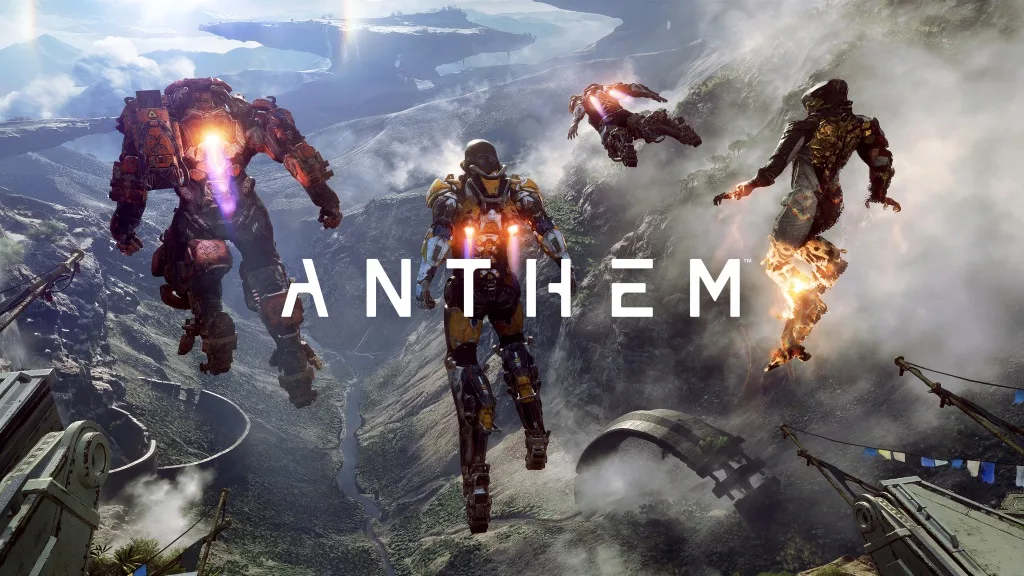
Just two weeks ago, on January 12, 2026, the servers for BioWare's ambitious yet ill-fated live-service shooter, Anthem, were officially powered down by Electronic Arts. For many, it marked the quiet, almost inevitable end of a title that had stumbled from its grand E3 2017 reveal to a critical and commercial disappointment. Yet, in the digital catacombs of the internet, a dedicated community refuses to let the Javelin exosuits gather dust. Instead, they're embarking on a daring, technically complex, and legally precarious quest to bring Anthem back from the dead. Their effort is a profound statement on digital ownership, game preservation, and the enduring power of fan devotion.
Anthem's Turbulent Ascent and Crushing Descent
Released on February 22, 2019, Anthem presented itself as an anomaly for BioWare, a studio famed for its character-driven, story-rich RPGs like Mass Effect and Dragon Age. Pitched as a "detour" into the loot shooter genre, it aimed for the "strong alone, stronger together" mantra. In many ways, it delivered flashes of brilliance that hinted at what could have been.
Players universally praised its visually stunning world of Coda, the incredible minute-to-minute combat, and the unique, fun Javelin exosuit classes. The flying mechanic, especially, was a highlight, described as "some of the most fun" players had in a game, offering "some of the best Mech play in a while." Even Fort Tarsis, the player hub, garnered compliments for its gorgeous detail, elaborate animations, high-quality voice work, and a sense of being the "BioWare part of the game" with dialogue options and character interactions. Monetization at launch was surprisingly considered "fine" by a fan, a rare positive in the often predatory live-service arena.
However, these highs were brutally overshadowed by crushing lows that ultimately sealed its fate. Anthem was plagued by repetitive missions, a lackluster story, and an underdeveloped cast. The user interface and menu navigation were "awfully taxing," and simply moving through Fort Tarsis was "arduous" due to slow first-person movement. We found glaring conflicts between various design philosophies, creating a "mismatch between the two halves of the game" – the thrilling combat and the slow, story-focused hub. Day-one server issues even caused PlayStation crashes, and subsequent patches reportedly "nerfed" loot drops. OpenCritic's average of 62/100, with only 13% of critics recommending it, painted a stark picture of a "failed live-service blockbuster". One Reddit user bluntly called it a "failure for every possible demographic." It was clear to us that the initial E3 2017 excitement, which promised so much, never truly translated into the delivered product.
The game's short 15-month development cycle, as noted by former BioWare employee Ian Saterdalen, played a critical role in its rushed and unpolished state, preventing it from realizing its impressive E3 2017 demo potential. This rushed timeline, in our view, was a fundamental misstep that BioWare never truly recovered from.
The Death of Hope: Anthem 2.0's Stillbirth and the Inevitable Shutdown
Despite its initial struggles, BioWare attempted to right the ship. A complete revamp, dubbed "Anthem 2.0" or "Anthem Next," began in late 2019, sparking a glimmer of hope among its remaining fans. But on February 24, 2021, those hopes were dashed when BioWare announced the cancellation of the project, citing the impact of the pandemic and the need to focus resources on other flagship titles. While these reasons sound plausible, we can't help but be skeptical about the convenience of such explanations, especially given the game's long-standing issues. This decision reportedly led to a planned live-service Dragon Age game pivoting back to a single-player RPG, a move that pleased fans of BioWare's traditional output. The Anthem subreddit, once a hub of discussion, largely "died" after this announcement. Sadly, this period also saw death threats directed towards developers and moderators on the Anthem Discord server, a grim reminder of the toxic underbelly of passionate fandom.
For years, Anthem limped along, a digital ghost. Downloads ceased, and EA Play subscriptions no longer granted access. The final nail in the coffin was January 12, 2026, when the official servers were finally shut down. Anthem was an online-only title without an offline mode, rendering it completely unplayable after the shutdown. This aspect is central to the fan revival efforts, as it means every copy of the game purchased, whether physical or digital (some copies were selling for as little as £2 prior to shutdown), became worthless overnight. Many players returned in its final hours, driven by nostalgia, to say goodbye, or to complete unfinished achievements, proof that the game's appeal, however flawed, never fully died. The community's response to the shutdown highlighted a mix of sorrow and resignation.
The Phoenix Project: Fans Forge a New Future
Yet, even as the official servers went dark, a new flame ignited. Just five days after the shutdown, on January 17, 2026, a YouTuber named And799 posted a proof-of-concept video demonstrating partial playability of Anthem on a private server. Using a "client-as-a-server" architecture, the video showed two players in the same game, a remarkable achievement. While some online features like profile viewing had problems and there was noticeable lag, And799 clarified that this was early research, not representative of the full project's current progress.
This effort is part of a broader initiative known as "Fort's Forge," one of several fan-led server projects aiming to bring Anthem back. These endeavors draw inspiration from recent successes, like modders bringing Concord back online in late 2025 by reverse-engineering it to run on fan-made servers, even if it didn't run perfectly.
The technical challenge is immense, but the motivation runs deep. It's a defiant act against planned obsolescence, a battle for digital preservation, driven by the community's belief in the game's untapped potential. We see this as a critical moment where player agency clashes with corporate control.
BioWare, EA, and the Unlikely Path Not Taken
While fans pour their passion into resurrection, the original creators and publishers remain firmly on a different path. BioWare, having endured recent layoffs and reports of struggles with current game development (including the offloading of Star Wars: The Old Republic), has explicitly "moved on." Their focus is now squarely on single-player, story-driven games, with Dragon Age: The Veilguard, which launched on October 31, 2024, reportedly receiving positive reviews. This shift, while seemingly a return to form, also feels like a strategic retreat after the live-service misfire.
Former BioWare executive producer and Anthem project lead Mark Darrah proposed a tantalizing $10 million plan to revive Anthem as a single-player RPG, upgrading it for current-gen platforms (like PS5, Switch 2) to achieve 60 FPS, enhanced visuals, and implementing AI-controlled squadmates. He even noted that code for running local servers in a dev environment existed until shortly before launch. However, Darrah himself believes it is "unlikely" EA would approve such a plan. The reasons are clear: the game's IP is owned by BioWare, but the Frostbite engine is owned by EA, making it improbable for the IP to leave EA's ecosystem. The financial and reputational cost of revisiting a previously failed project, especially when resources are already stretched and other high-profile games are in development, is simply too high. We concur; while a single-player Anthem sounds intriguing, the corporate realities make it a distant pipe dream.
Beyond Nostalgia: Why We Fight for a Fallen Game
The persistence of Anthem fans speaks to several deeper trends in the gaming industry that we believe are crucial to understand:
- Unfulfilled Potential: Like No Man's Sky, Final Fantasy XIV, or Cyberpunk 2077 (games that eventually redeemed themselves through significant updates), many believe Anthem had a strong foundation. The "excellent gameplay loop" and "genuinely incredible" combat hint at what could have been if BioWare had more time and a clearer vision. Fans, and frankly, we as critics, mourn the loss of that potential.
- Digital Ownership and Preservation: The server shutdown of an online-only game like Anthem highlights the precarious nature of digital purchases. When a game becomes unplayable due to corporate decisions, it raises critical questions about consumer rights. This concern is not isolated, as evidenced by the "Stop Killing Games" petition in the EU, which has garnered over 1.4 million signatures advocating for game preservation and consumer rights, enough to be presented to the European Parliament. This isn't just about Anthem; it's about setting a precedent for all digital media.
- Community and Connection: Despite its flaws, Anthem fostered a community. For many, returning to the game, even in its dying hours, was about shared experiences and goodbyes. Fan-made servers offer a way to rekindle that communal flame, demonstrating the social power of gaming.
- Defiance: There's an element of pushing back against corporate control. If a publisher deems a game unprofitable and pulls the plug, these fan efforts are a way of saying, "We still value this, and we will find a way to keep it alive," asserting player autonomy.
A Digital Graveyard's Glimmer of Hope
The journey for "Fort's Forge" and other revival projects will be long and arduous, fraught with technical challenges and potential legal hurdles from EA. Yet, the initial proof-of-concept for Anthem, coupled with the precedent set by Concord, demonstrates that it's not an impossible dream. We at TTEK2 are watching these efforts with keen interest.
The saga of Anthem serves as a clear reminder of the risks inherent in the live-service model and the unique vulnerabilities of online-only games. But it also illuminates the incredible resilience, ingenuity, and passion of gaming communities. As BioWare looks to its future in single-player storytelling, the ghost of Anthem continues to fly, albeit on unofficial wings, powered by the very players who refused to let its vibrant world fade into silence. The question isn't just if Anthem can be brought back, but what its resurrection signifies for the evolving world of digital entertainment and the enduring power of fan-driven preservation.

Comments