At the higher performance tiers (80 and 96 Gbps), HDMI 2.2 supports uncompressed, 4K/240Hz content, or 4K/480Hz content with 4:2:0 chroma subsampling (color data compression) enabled. HDMI 2.2 also supports true, uncompressed 8K/60Hz content, and with compression enabled, can push 8K content even further. HDMI 2.2 also arrives with something called Latency Indication Protocol (LIP), which improves audio-and-video synchronization at the device level. Although HDMI 2.2 represents a massive upgrade to the pipeline between a TV and any given device, it’s worth remembering what, exactly, is capable
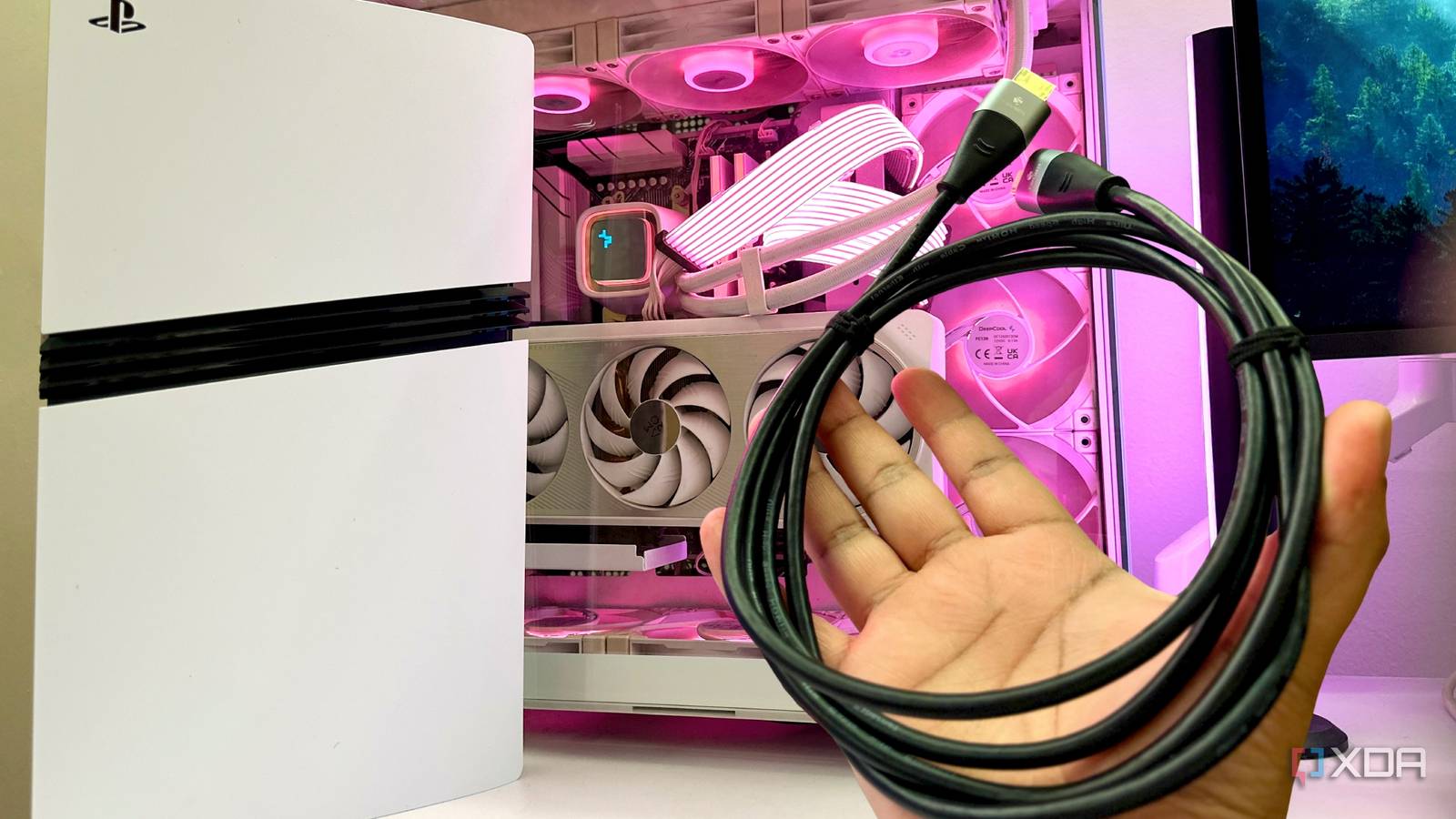
Want to learn more?Check out my guide for buying HDMI cables. Yes, devices that support HDMI 2.2 will require HDMI 2.2-certified cables in order to take advantage of any HDMI 2.2-based features. These cables are already on their way to store shelves. Much like HDMI 2.1-certifed cables carry the "Ultra High-Speed" designation, HDMI 2.2-compatible cables carry the "Ultra96" label (a reference to the 96-Gbps bandwidth speed). TV-makers are encouraged to label any HDMI 2.2-compatible ports with the Ultra96 designation, too. There's a catch, though. Ultra96 cables will always offer 96 Gbps bandwidt
HDMI ARC or HDMI Audio Return Channel was introduced into the HDMI specification (in this case HDMI 1.4) in 2009 with a specific purpose: simplifying and improving the experience of getting audio from your TV to a speaker. Historically, soundbars and other audio equipment have used optical cables to transfer digital audio, which meant introducing yet another cable to your TV or routing everything through a dedicated, expensive home theater receiver. ARC lets an HDMI port do the heavy lifting, eliminating the need for a separate audio cable and giving you access to the sort of high-quality audi
Can you still use optical audio if you have HDMI ARC?
While some soundbars, such as Sonos' Beam and Arc Ultra, default to HDMI ARC or HDMI eARC connections to offer crisper, more immersive audio, that doesn't mean you have to switch. If you're happy with what you get from your TV's built-in speakers, a soundbar might not be for you at all. And if you already have a soundbar that only offers optical audio out (also known as a TOSLINK port), the vast majority of TVs made today still offer that connection. The only disadvantage is that optical audio cables can't handle as much data as HDMI cables can. TOSLINK has been around since the '80s, after al