From a consumer and tinkerer standpoint, a unified, open-source standard is infinitely preferable since the resulting code will be inherently more stable, better scrutinized, and much easier to patch when security vulnerabilities inevitably arise. All the upsides notwithstanding, Google surely isn't taking this open-source leap driven by sheer benevolence. Like every other platform Google has built, there's a chance the company shuts down the open-source SDV layer five years down the road, citing poor adoption, and an arguably equal chance it monetizes the effort, billing auto ancillaries or c
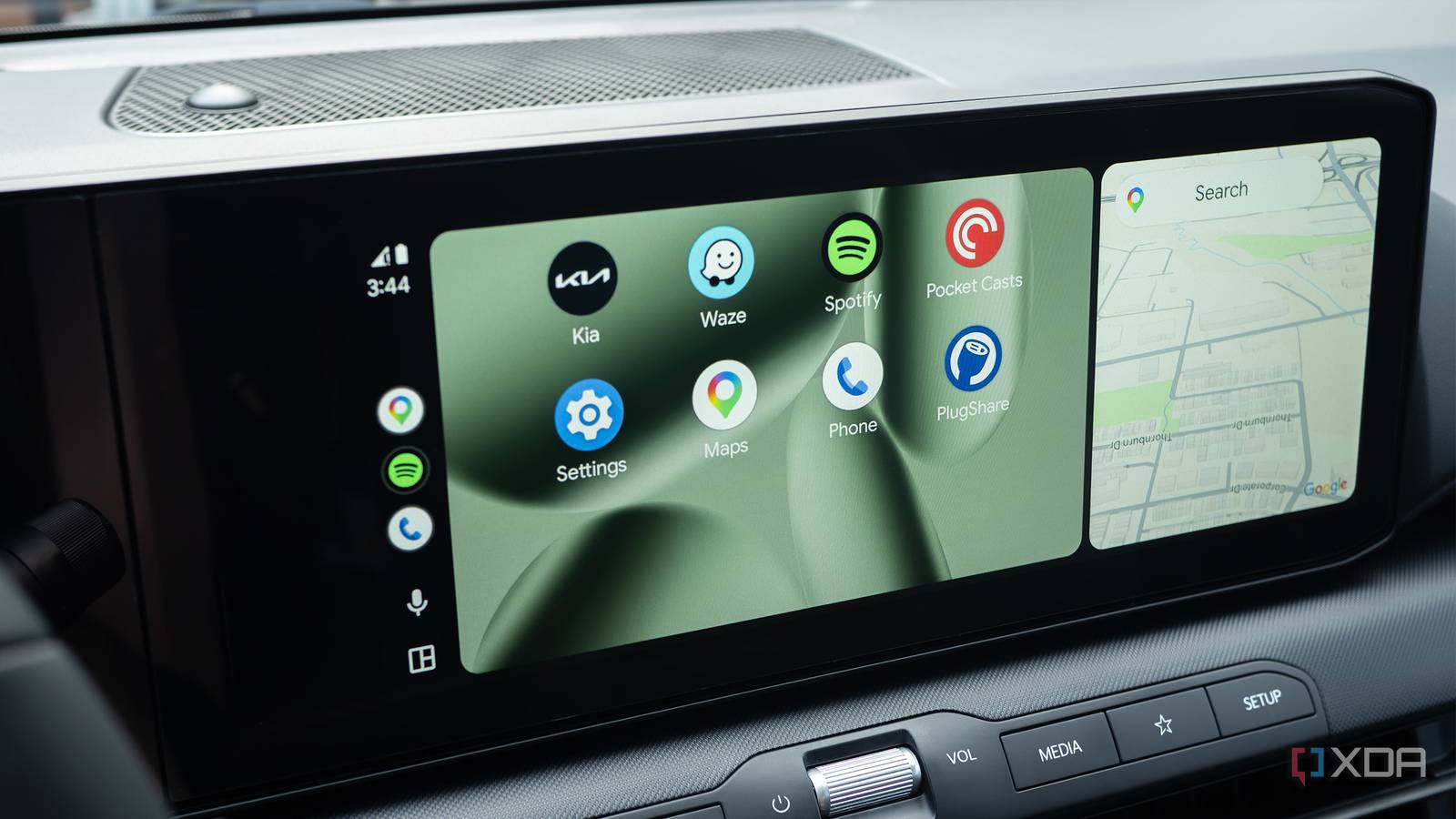
In most cars today, such as the Volvo EX90, Android Automotive (AAOS) is the operating system for the infotainment platform, handling navigation, media playback, and voice commands natively. It's a far cry from Android Auto, which we write about so often at XDA, because there's no smartphone pairing and the accompanying clunkiness. However, because of the way vehicles are built, carmakers pay Google a licensing fee to equip vehicles with AAOS, rather than custom-built firmware with Android Auto and CarPlay support as options. While the AAOS frontend offers on-screen controls to trigger a seat