How are tariffs mentioned in the article affecting component costs for game hardware?
The article says months of unnecessary tariffs have helped drive up component costs for games hardware, significantly impacting the market and stalling hardware adoption. These tariffs, even though they are getting refunded, contributed to inflated prices that forced companies like Valve to accept higher memory costs and produce more expensive devices such as the $1,049 Steam Machine. Answered
What impact have RAM and storage shortages had on hardware adoption in the games market?
The RAM and storage shortages have driven up component costs and stalled hardware adoption in the games market, forcing higher retail prices that have squeezed both gamers and manufacturers out of the mainstream. Valve says this pushed its Steam Machine price to an astronomical $1,049 and left companies little choice but to accept inflated memory prices or miss contracts, with wholesale supply shortages lagging retail by three to six months. Answered
Which Steam Frame hardware specifications mentioned in the article could justify a higher $1,500 retail price?
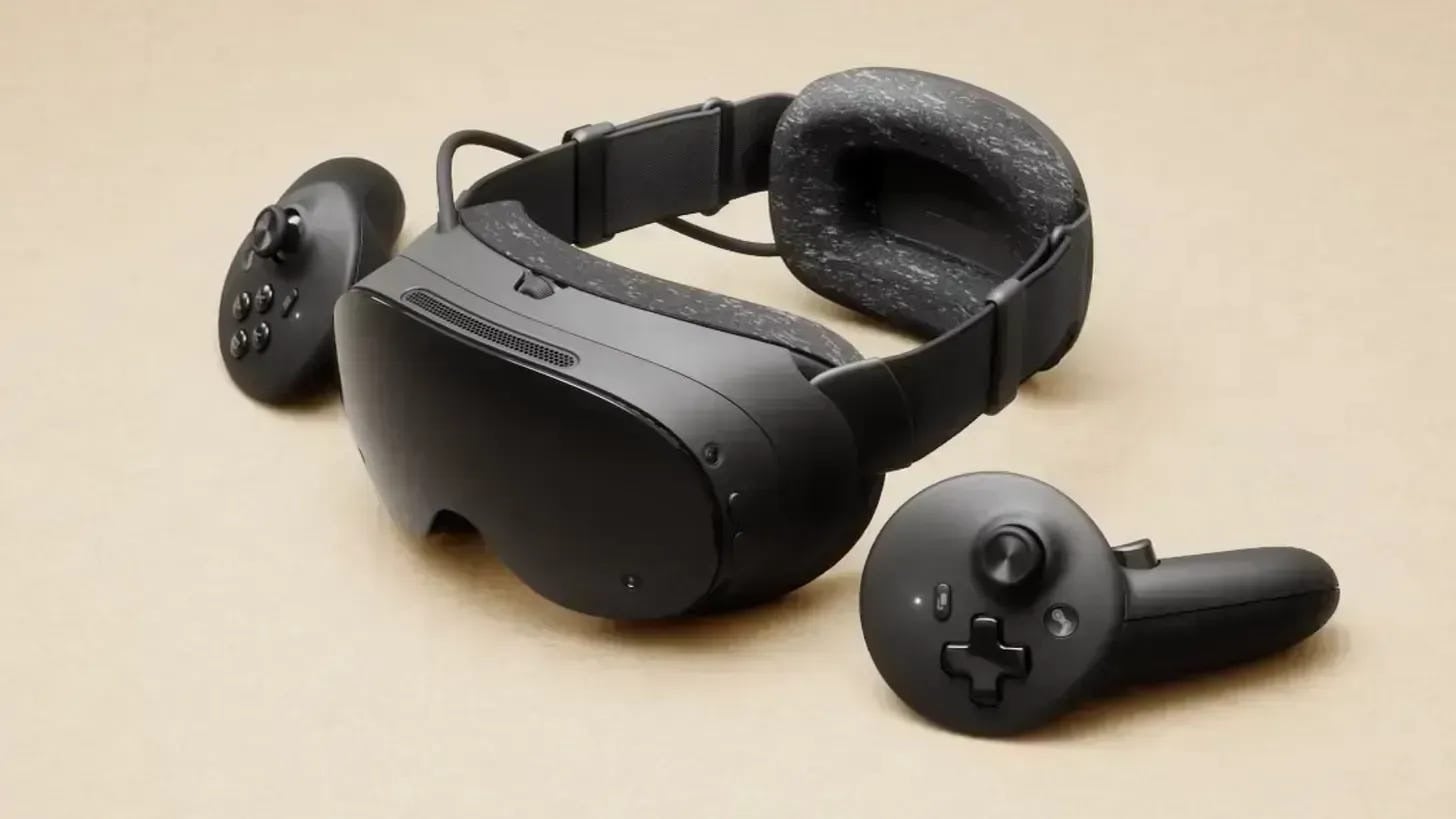
The article cites the Steam Frame’s use of Qualcomm’s Snapdragon 8 Gen 3 (subject to a double-digit price hike), dual 2160 x 2160 LCD panels, 16GB of LPDDR5X memory, and a bundled 6 GHz wireless adapter for low-latency PC VR streaming as hardware factors that could justify a higher $1,500 retail price. It also notes that rising component and memory costs have forced Valve to revise pricing expectations upward. Answered